Innovative Protest Games Emerge Amid CJP Activism
A new wave of video games inspired by the CJP protests is transforming political dissent into interactive experiences.
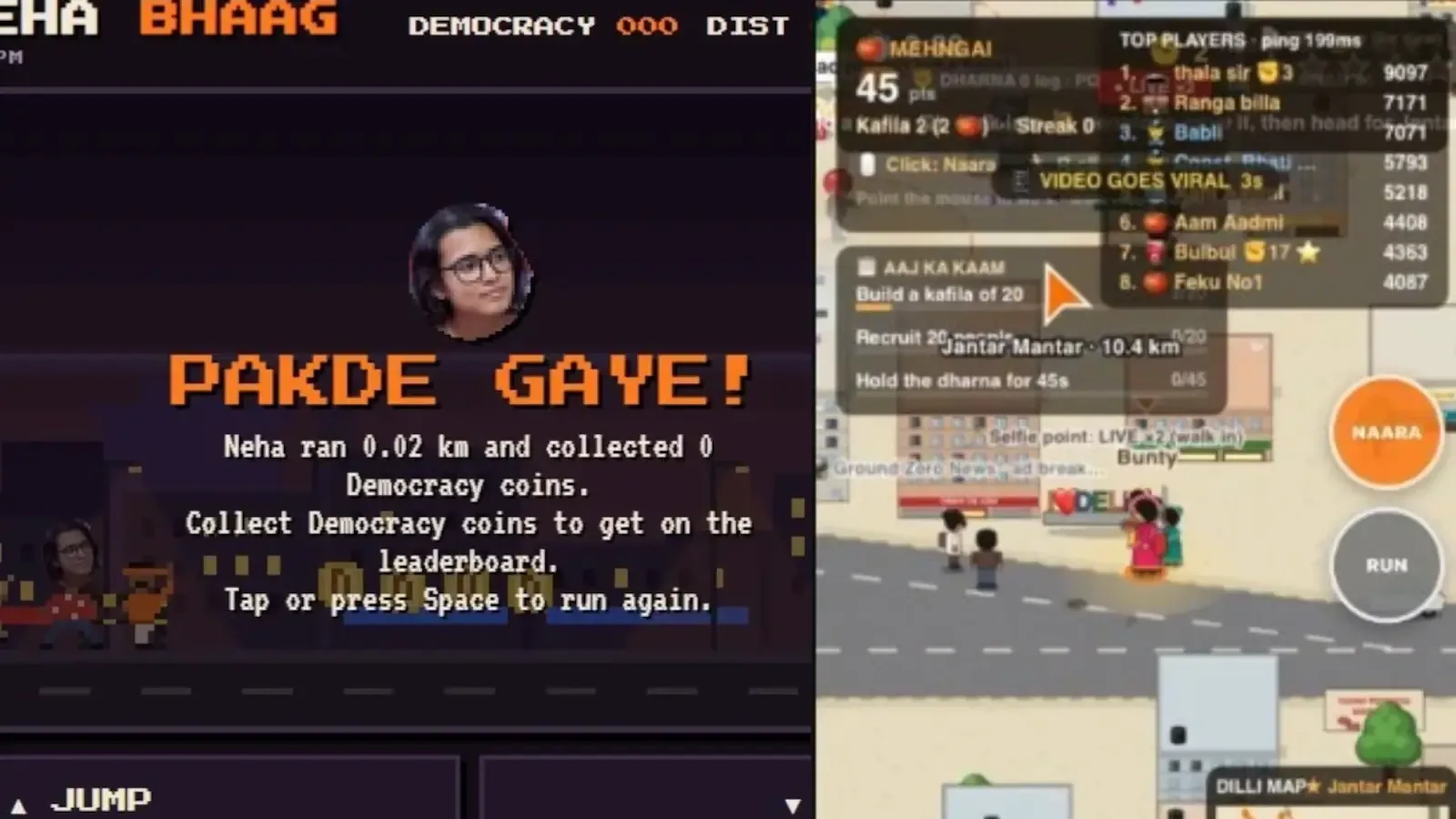
Protests have evolved with the rise of social media, incorporating memes and games.
Games like 'Bhaag Neha Bhaag' and 'CJP, It's Done, Bro' engage users in political satire.
The use of AI in game development has lowered barriers for creators to express dissent.
In a notable shift in how protests are expressed, recent demonstrations associated with the Cockroach Janta Party (CJP) have inspired a series of innovative video games. These games, which include titles like 'Bhaag Neha Bhaag' and 'CJP, It's Done, Bro', utilize humor and interactive gameplay to engage a younger audience in political discourse. This trend reflects a broader evolution in protest culture, where traditional methods of dissent are being augmented by digital platforms and gaming mechanics.
Historically, protests have relied on physical gatherings, slogans, and visual art to communicate messages. However, the advent of social media has transformed this landscape, allowing protest messages to reach a wider audience. Memes have become a staple in political commentary, providing a quick and relatable way to engage with current events. The recent CJP protests have capitalized on this trend, with online conversations and memes extending the reach of the demonstrations into the realm of interactive entertainment.
The game 'Bhaag Neha Bhaag', created by Anav and Akshay Nayar, draws inspiration from the experiences of student leader Neha Bora. Players navigate a virtual Delhi, avoiding obstacles while collecting 'Democracy coins'. The game serves as a satirical commentary on the protests, turning serious political issues into a playful experience. Similarly, 'Jantar Mantar Chalo' allows players to choose sides in a protest scenario, further immersing them in the political landscape. These games not only entertain but also encourage players to think critically about the issues at hand.
The implications of these protest-inspired games extend beyond mere entertainment. They provide an alternative avenue for political expression, particularly for those unable or unwilling to participate in physical protests. By engaging with these games, users can express their opinions and participate in political conversations from the comfort of their homes. This shift highlights the changing nature of political engagement in the digital age, where online participation can complement traditional forms of activism.
Looking ahead, the rise of protest games suggests a continued blending of politics and entertainment. As more creators leverage technology and AI to develop interactive experiences, we may see an increase in the popularity of these formats. The potential for games to keep political issues alive in public discourse is significant, as they offer a fresh way to revisit and discuss important topics long after the initial protests have faded from the headlines.