Indian Government Approves Pak Minister's Taj Mahal Visit
Pakistan's Climate Minister Musadik Malik will visit the Taj Mahal but is denied access to Nizamuddin Dargah due to security concerns.
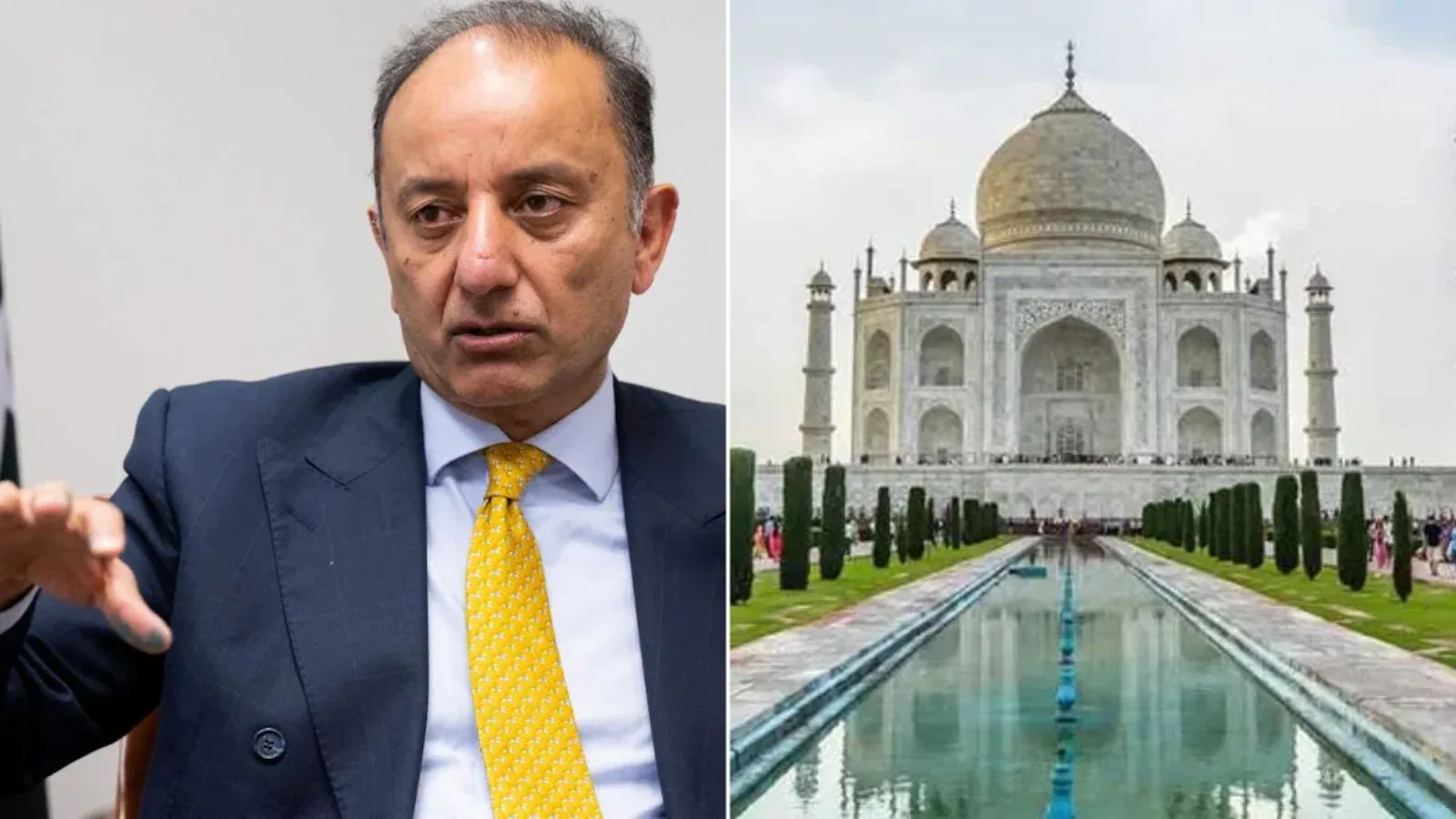
Musadik Malik is in India for the SCO Civilisational Dialogue Forum.
The Indian government approved his visit to the Taj Mahal but denied access to Nizamuddin Dargah.
This marks the first visit by a Pakistani federal minister to India since 2023.
Musadik Malik, Pakistan's Climate Minister, is set to visit the Taj Mahal during his stay in India for the Shanghai Cooperation Organisation (SCO) Civilisational Dialogue Forum. The Indian government has granted permission for his visit to the iconic monument in Agra, while access to the Nizamuddin Dargah in Delhi has been denied due to security and logistical concerns.
Malik's participation in the SCO forum, taking place from November 20 to 22 at Purana Quila, marks a significant moment in India-Pakistan relations. This visit is notable as it is the first by a Pakistani federal minister since Bilawal Bhutto Zardari's attendance at an SCO meeting in Goa earlier this year. It also represents the first official visit by a Pakistani leader to India since the military operation following the Pahalgam terror attack in May 2025.
The Indian government had previously announced on October 28 that invitations were extended to all SCO members, including Pakistan. Following this, the Pakistan government confirmed Malik's participation. In a statement, the Pakistani government emphasized its commitment to fostering dialogue and people-to-people connections within the SCO framework, highlighting a spirit of mutual respect.
During his media interactions, Malik expressed optimism regarding the potential for improved relations between India and Pakistan. He stated, "I think all of our relationships will improve," reflecting a hopeful outlook on the evolving geopolitical landscape. He acknowledged the shifting dynamics in the region and the importance of addressing various political and social issues collaboratively.
Despite the diplomatic engagement, the Indian Opposition has criticized the government's decision to invite Malik, questioning the rationale behind this policy shift since the Pahalgam incident. They have also pointed out Malik's previous aggressive comments regarding India's suspension of the Indus Waters Treaty, raising concerns about the implications of such interactions on national security and diplomatic relations.