India Targets Self-Reliance in Rare-Earth Magnets by 2024
India aims to enhance domestic production in critical sectors, particularly rare-earth magnets, to reduce import dependency.

India is focusing on building domestic capacity in sectors reliant on imports, especially rare-earth permanent magnets.
The government plans to expand energy exploration, including previously restricted areas.
Structural reforms will continue to support economic stability while fostering self-reliance.
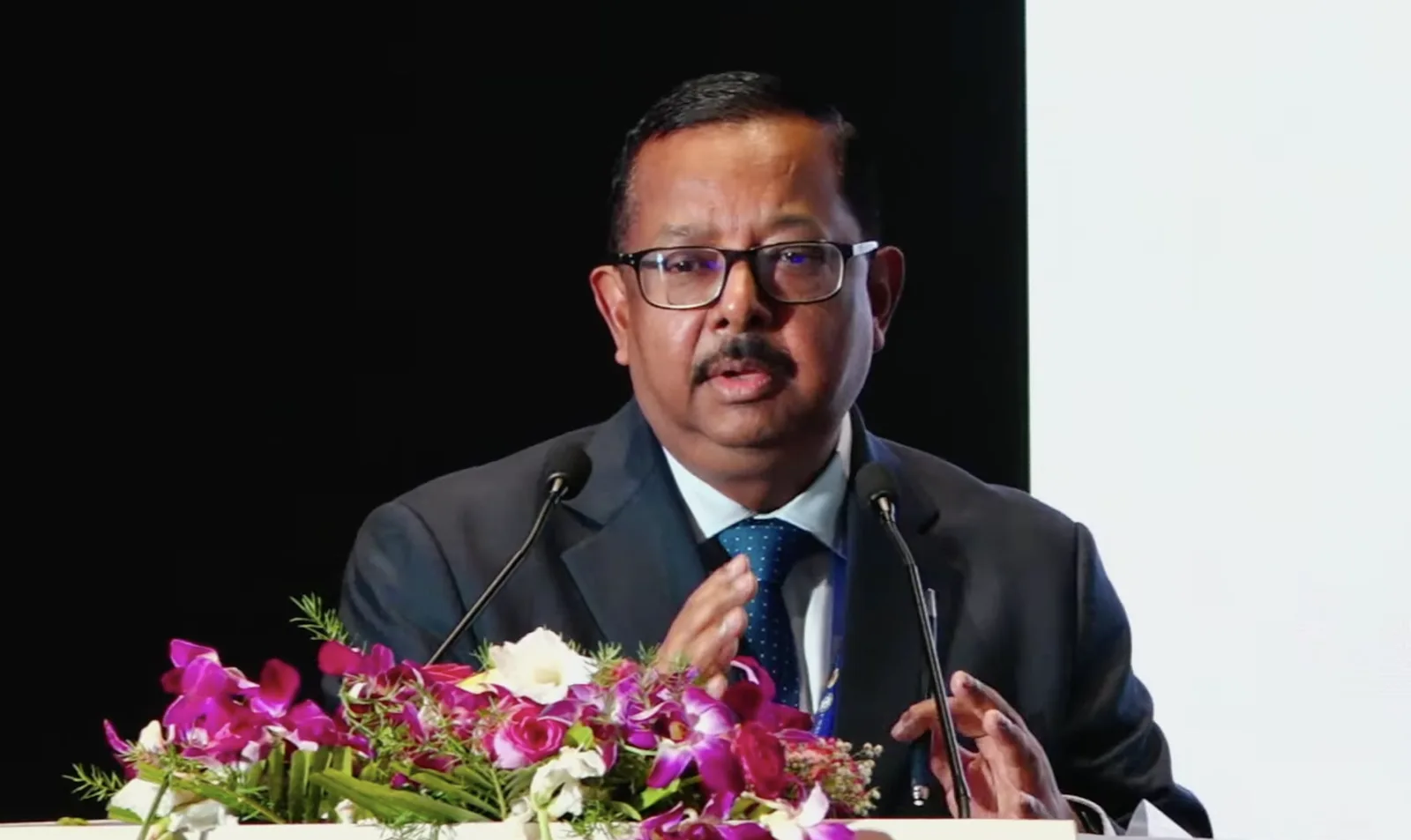
On October 4, Shaktikanta Das, principal secretary to the Prime Minister, announced India's commitment to bolster domestic production in sectors heavily reliant on imports, particularly rare-earth permanent magnets. This initiative is part of a broader strategy to enhance the country's resilience against external economic shocks while maintaining engagement with global markets.
Das highlighted the significance of rare-earth permanent magnets, which are essential for industries such as electric vehicles, renewable energy, and advanced manufacturing. He stated that the government has made significant progress in developing domestic capacity in these critical areas, aiming to mitigate vulnerabilities that arise from global supply chain disruptions and geopolitical tensions.
In addition to focusing on rare-earth magnets, Das revealed plans for expanding domestic energy exploration, including in regions previously designated as no-go zones. The government has approved the Samudra Manthan scheme, which will facilitate deepwater exploration, further diversifying India's energy resources and reducing dependence on imports.
The push for self-reliance, according to Das, should not be misconstrued as a move towards economic isolation. Instead, he emphasized that Atmanirbharta (self-reliance) aims to strengthen domestic capabilities while remaining integrated with global supply chains. This approach will involve enhancing participation in international markets alongside building local manufacturing capabilities in strategic sectors such as defense and critical technologies.
Looking ahead, Das stressed the importance of sustaining reform momentum as India progresses towards its Viksit Bharat 2047 vision. He identified green hydrogen, sustainable agriculture, and circular-economy practices as key areas that could drive future growth, reinforcing the need for continued structural reforms to ensure macroeconomic stability and resilience.