India Set to Become Second-Largest Muslim Population by 2070
Pew Research forecasts significant demographic shifts, with Muslims expected to surpass Christians globally by 2035.
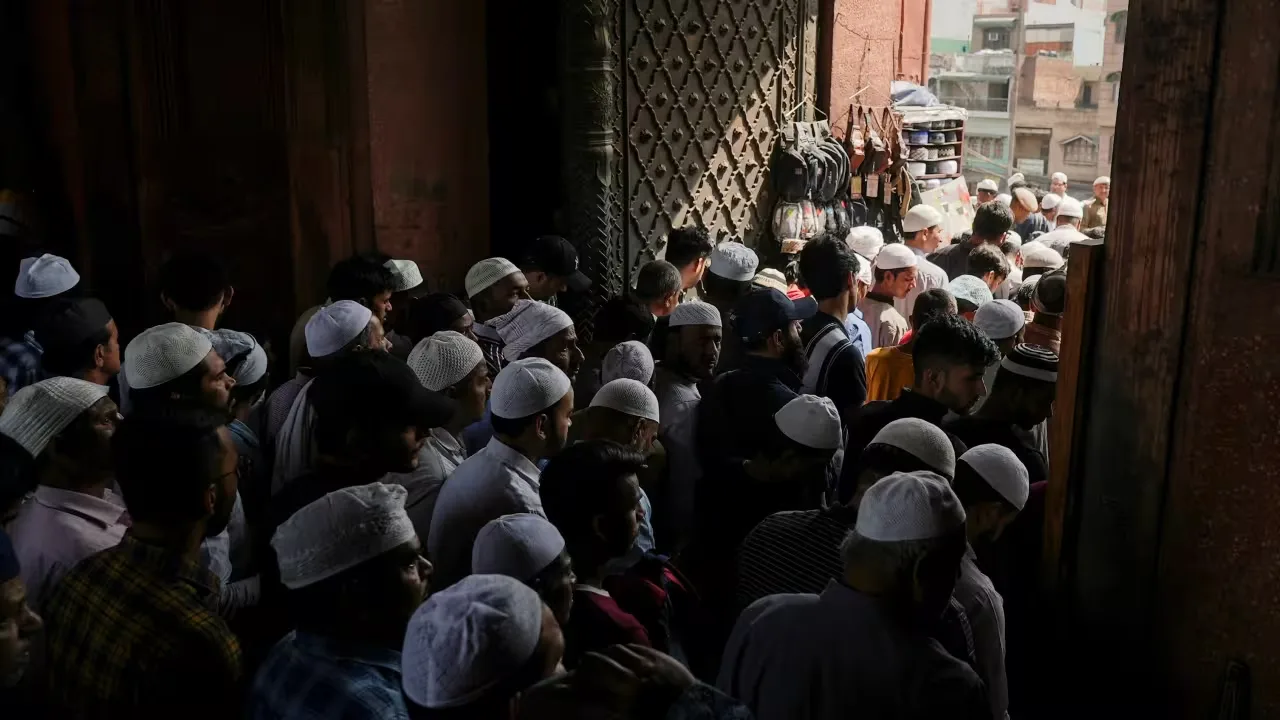
India's Muslim population projected to rise to 334 million by 2070.
Hindus will remain over 75% of India's population despite an increase to 1.29 billion.
Global Muslim population expected to grow by 80% from 2020 to 2070.
According to new projections from the Pew Research Center, India is anticipated to have the world's second-largest Muslim population by the year 2070, reaching approximately 334 million individuals. This demographic shift underscores a significant transformation in the global religious landscape, where Muslims are expected to surpass Christians as the largest religious group by 2035, with Muslims projected to account for 36% of the world’s population, up from 26% in 2020.
Historically, India has been home to the largest Hindu population and the third-largest Muslim population globally. The Pew report indicates that while the Muslim population in India is set to grow substantially, Hindus will still represent more than three-quarters of the total population. The increase in the Muslim demographic is attributed primarily to higher birth rates compared to Hindus, who are expected to see their population rise to about 1.29 billion by 2070, an increase of 176 million.
The projections reveal that the global Muslim population is expected to grow from around 2.02 billion in 2020 to 3.64 billion by 2070, marking an 80% increase. In contrast, the non-Muslim population is anticipated to grow by only 11% during the same period. This growth is largely driven by natural population change, with births significantly outnumbering deaths among Muslims. The report also highlights that while the Christian population will continue to grow, it will do so at a slower rate, maintaining a stable share of around 29% of the global population.
The implications of these demographic changes are profound for India and the broader global community. With the Muslim population projected to rise significantly, the religious dynamics within India may evolve, although the country is not expected to transition into a Muslim-majority state. The study emphasizes that the fertility rates and age profiles of different religious groups are key factors driving these trends. Muslims in India have a higher fertility rate and a younger population compared to Hindus, contributing to their projected growth.
Looking ahead, the Pew Research Center's findings serve as a demographic projection rather than a definitive forecast. These estimates rely on ongoing trends in fertility, mortality, migration, and religious identity retention. As India approaches the next census, expected to provide more accurate data, the implications of these projections will be closely monitored, particularly in the context of social and political discourse surrounding religious demographics in the country.