India's Air Force Faces Critical Fighter Jet Shortage
Production delays hinder India's ambition to modernize its air force amid rising fleet retirements.
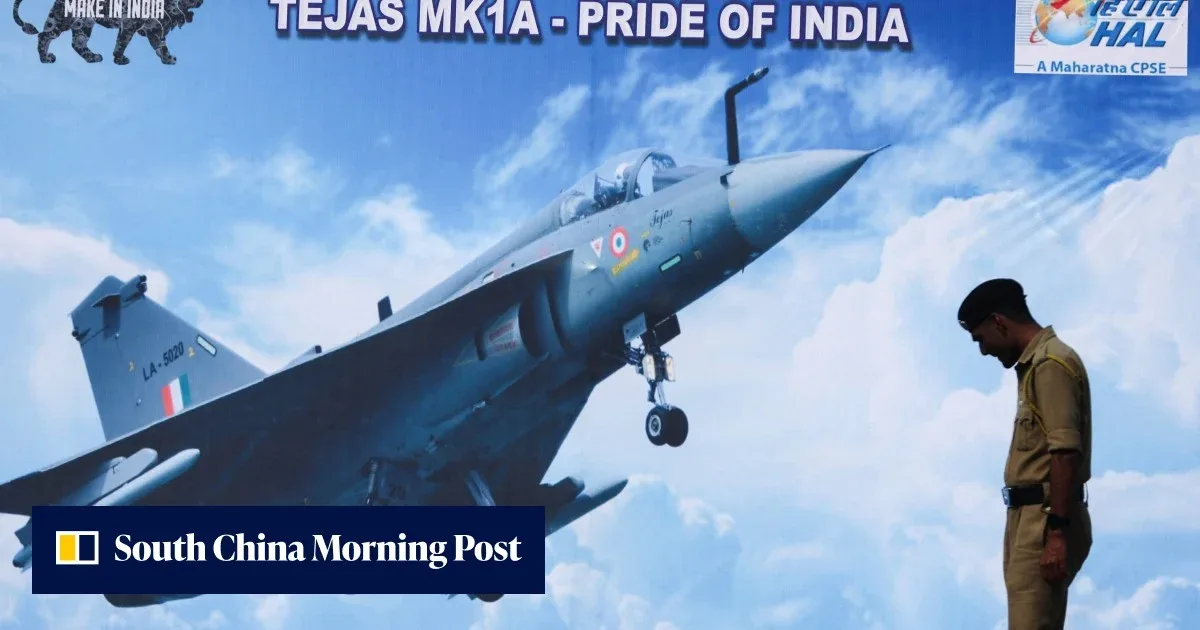
India's air force aims for 42 fighter squadrons.
Current production is insufficient to meet annual needs.
Air Chief Marshal A.P. Singh emphasizes urgent requirements.
India is grappling with a significant shortfall in its fighter jet fleet, as production struggles to keep pace with the retirement of older aircraft. The country has set ambitious goals to modernize its air force, focusing on domestically developed jets. However, delays in engine production and assembly bottlenecks are hampering these efforts, raising concerns among defense analysts about India's readiness for future aerial conflicts.
On October 11, Air Chief Marshal A.P. Singh conducted his final flight in a Tejas fighter jet at an airbase in Jodhpur, marking a poignant moment as he prepares for retirement later this month. This flight was not just a personal farewell but also a demonstration of support for India's domestic defense manufacturing capabilities. Singh's tenure has been marked by increasing concerns regarding the Indian Air Force's (IAF) ability to maintain operational readiness due to a lack of sufficient fighter squadrons.
In a statement made on October 3, Singh highlighted the pressing need for the IAF to induct two new fighter squadrons annually. He noted that to achieve the target of 42 operational squadrons, the production rate must reach between 36 and 40 aircraft each year. Singh emphasized that the actual requirement might be even higher, reflecting the urgency of the situation as the fleet ages and the demand for modern capabilities grows.
The implications of this shortage extend beyond mere numbers; they pose a significant challenge to India's defense strategy. As older aircraft are phased out, the gap in operational capability could affect national security and the country's ability to respond to aerial threats. The Indian government is under pressure to accelerate domestic production and address the logistical hurdles that have slowed down the manufacturing process.
Looking ahead, the Indian Air Force is expected to continue advocating for increased production capabilities and streamlined processes to meet its ambitious goals. The defense ministry may need to explore partnerships with private manufacturers and foreign defense firms to enhance output and ensure that the IAF can maintain its strategic edge in the region.