India Advocates for Veto Power Expansion in UN Security Council
During a UN address, India emphasizes the need for all member states to have veto power, calling for comprehensive reforms.
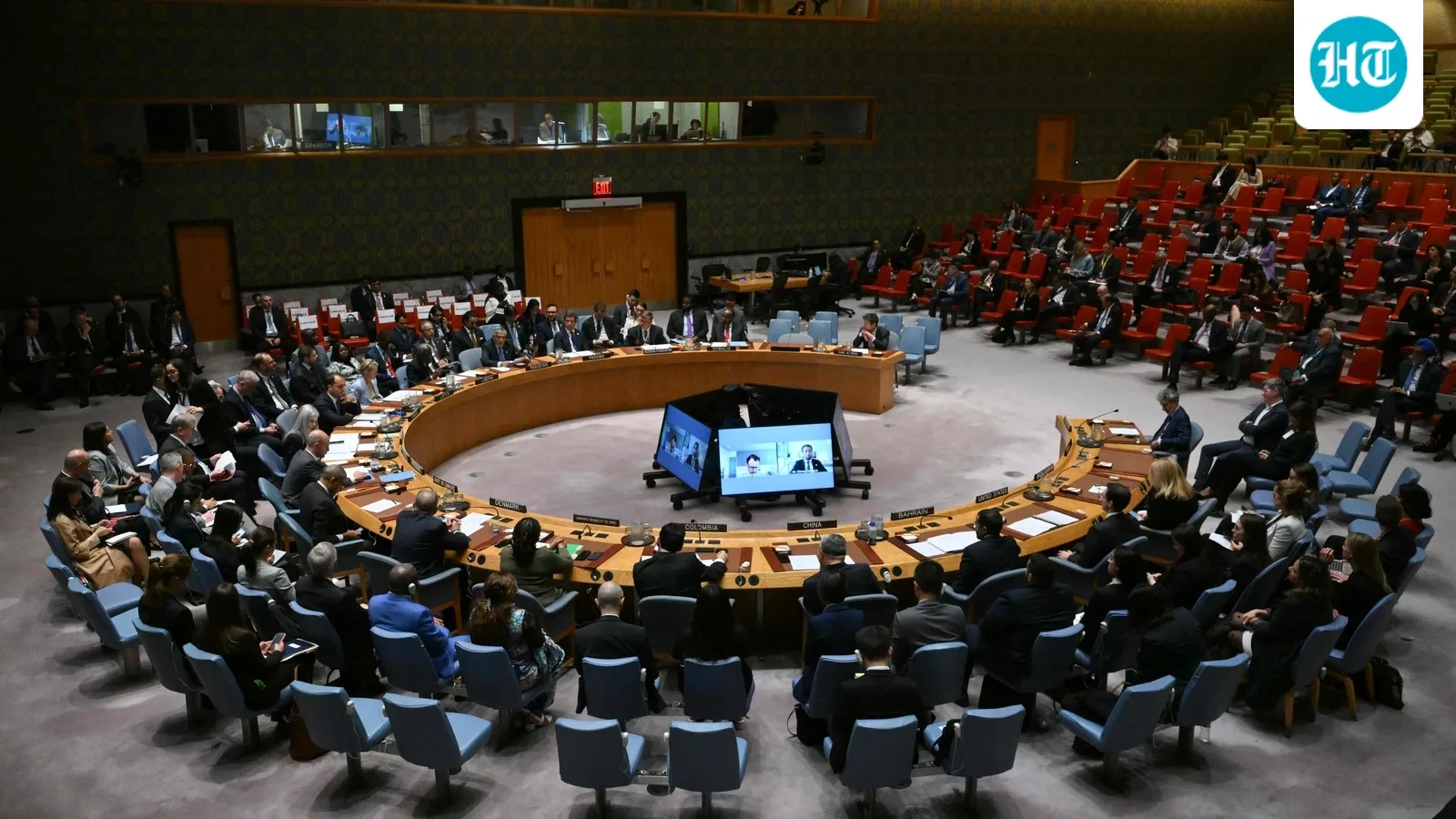
India's Permanent Representative urges reforms in the UN Security Council.
Veto power currently held by five permanent members has been disproportionately used.
India aligns with the Common Africa Position for fair representation.
In a significant address at the United Nations, India has reiterated its call for extensive reforms in the UN Security Council, advocating for the extension of veto power to all member states. Parvathaneni Harish, India's Permanent Representative to the UN, emphasized that the privilege of veto power comes with a substantial responsibility that should not be exploited for narrow political gains.
The call for reform is rooted in the historical context of the veto's application, which has often undermined the credibility of the Security Council. Currently, the veto is exclusively held by five nations: the United States, the United Kingdom, France, Russia, and China. Harish pointed out that the veto has been exercised 331 times on approximately 200 resolutions, highlighting the disproportionate influence of a few members in critical global decisions.
Harish stressed that limiting the veto cannot be viewed in isolation from broader issues such as membership categories, regional representation, and operational methods. He called for a unified approach to tackle all these aspects simultaneously, advocating for a comprehensive reform strategy that addresses the current imbalances in power dynamics within the Council. He also noted that two of the five permanent members have not exercised their veto in over 35 years, indicating a skewed usage pattern.
The implications of India's stance extend beyond the Security Council, as it seeks to align with the Common Africa Position (CAP), which promotes a unified voice on global issues among African nations. India argues that fairness and justice necessitate equal rights and responsibilities among all permanent members, warning that introducing new categories of permanent members could complicate the reform discussions further.
Looking ahead, India is poised to continue its advocacy for these reforms in upcoming UN sessions, aiming to foster a more equitable and representative Security Council. The ongoing dialogue on this issue is crucial, as it reflects broader aspirations for a reformed international order that accommodates the changing geopolitical landscape.