Independent Journalists Challenge Delhi Police's Claims in Supreme Court
Independent reporters assert their role in journalism amidst police's dismissal of their credentials.
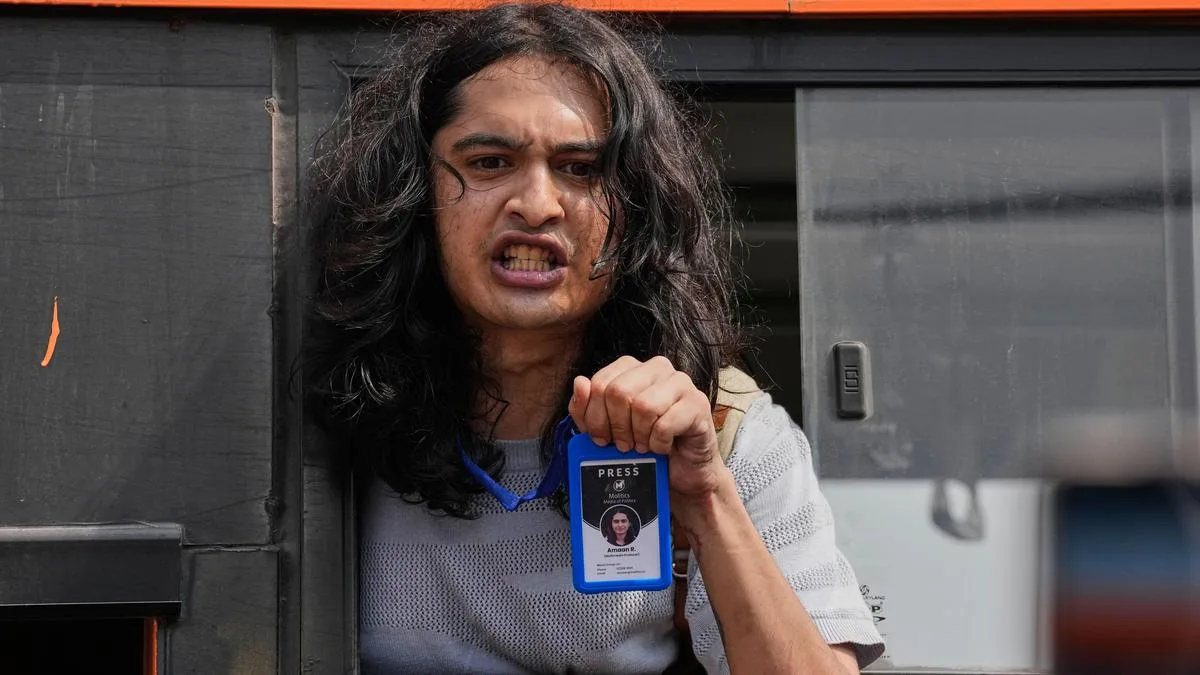
Delhi Police argues that social media creators are not journalists.
Independent journalists emphasize the importance of their work in documenting protests.
The debate highlights the evolving landscape of journalism in the digital age.
In a significant response to the Delhi Police's recent affidavit to the Supreme Court, independent journalists have firmly asserted their identity as journalists, not mere content creators. The police's statement suggested that individuals using cameras and microphones at protest sites, including social media influencers, should not be equated with accredited journalists, raising concerns about the implications for press freedom.
The Delhi Police's affidavit defended its actions during protests against Chief Election Commissioner Gyanesh Kumar, claiming that the presence of social media personalities complicated the identification of legitimate journalists. This assertion came in light of multiple petitions alleging police harassment and detention of journalists covering the protests. The police maintained that their guidelines apply only to those with proper media identification, which has sparked a backlash from independent reporters who argue that such distinctions undermine the essence of journalism.
Bindu Gujjar, an independent journalist focusing on caste and gender issues, highlighted the gap between mainstream media narratives and on-the-ground realities. She emphasized that independent journalism emerged to fill this void, providing authentic accounts of events that mainstream outlets often overlook. Gujjar criticized the police's characterization of independent reporters as “reel-makers,” arguing that this diminishes the seriousness of their work and threatens the integrity of journalism itself.
The impact of this debate extends beyond individual journalists, as it raises questions about the future of media in India. Abhay Mandhare, another independent journalist, noted that the rise of social media has shifted public consumption of news, making independent platforms more influential. He pointed out that traditional media's control over narratives is waning, and the government’s attempts to regulate social media could backfire, pushing audiences further away from conventional news sources.
Looking ahead, the ongoing discussions surrounding the role of independent journalists in India will likely continue to evolve. As the landscape of journalism shifts with technology, the need for clear definitions and protections for all journalists, regardless of their medium, becomes increasingly critical. The Supreme Court's response to the Delhi Police's affidavit may set important precedents for the rights and recognition of independent journalists in the future.