Imran Masood Critiques SP Amid Seat-Sharing Negotiations
Congress leader Imran Masood continues to voice concerns over seat allocations with the Samajwadi Party, despite calls for restraint from party president Kharge.
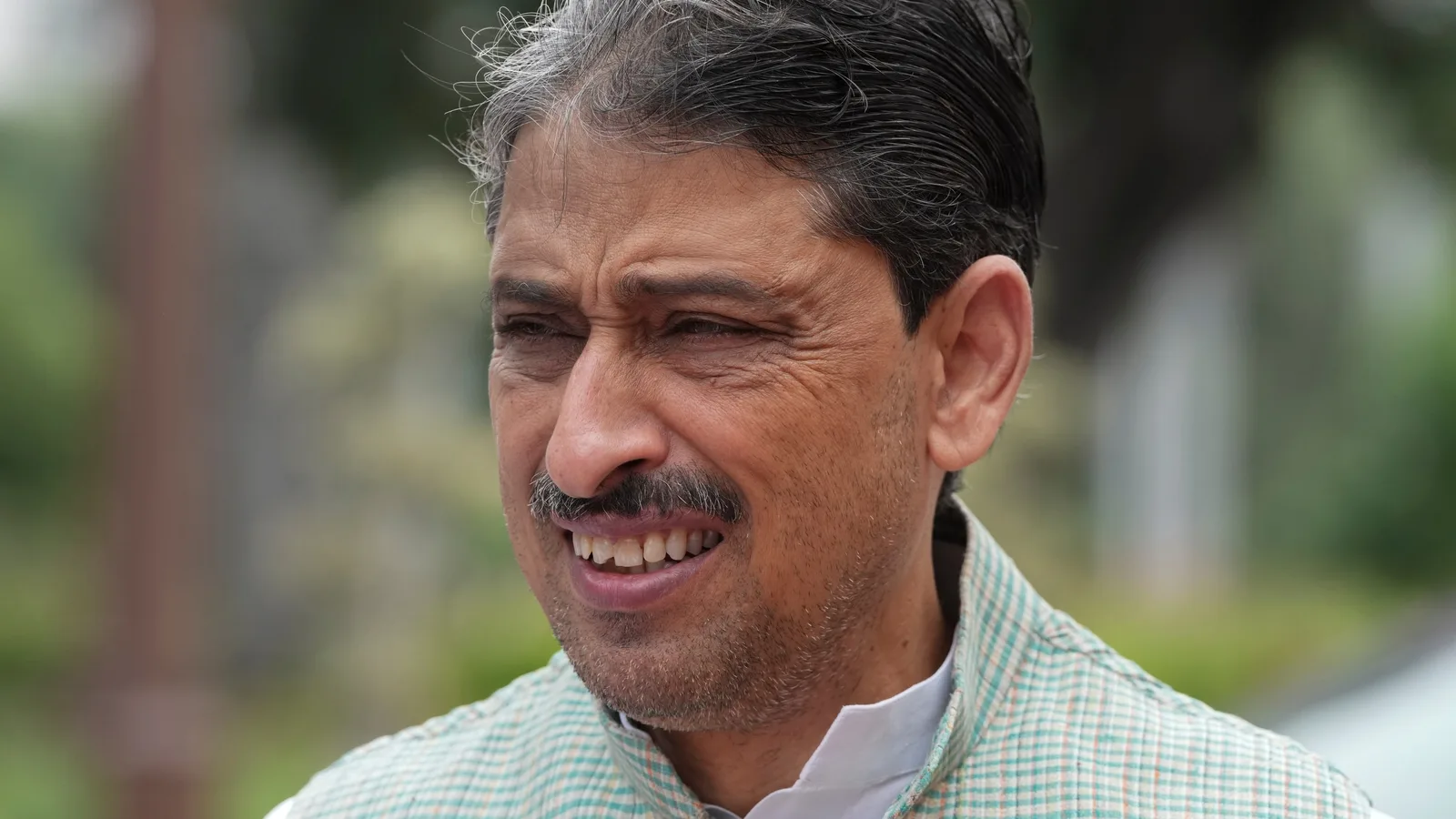
Imran Masood demands more seats for Congress in UP elections.
SP has offered only 26 seats while Congress seeks 120.
Past alliances saw Congress and SP contesting together in 2017.
In a continuing dispute over seat-sharing arrangements for the upcoming Uttar Pradesh assembly elections, Congress MP Imran Masood has once again criticized the Samajwadi Party (SP). His remarks come despite a public appeal from Congress president Mallikarjun Kharge for him to refrain from making statements that could exacerbate tensions between the two parties. Masood's criticisms have intensified following the SP's release of its candidate list, which he perceives as undermining the alliance.
Masood, who serves as the Congress's state working president, has been vocal about the need for an adequate number of seats, emphasizing that the party requires both quality and quantity in its electoral strategy. He stated, "Give us seats, we can contest and win," while expressing concern over the SP's approach to their alliance. His comments reflect a growing frustration within the Congress regarding the negotiations, particularly after the SP announced its first list of candidates, which included selections from Saharanpur, where Masood is the sitting MP.
During a rally in Lucknow, Kharge acknowledged Masood's enthusiasm but urged him to focus on actionable steps rather than public statements. He noted that while Masood’s views are often forceful, the party must prioritize ground-level work. This call for restraint highlights the delicate balance both parties are trying to maintain as they navigate their alliance amid electoral pressures.
The ongoing negotiations have revealed significant disparities in expectations, with Congress demanding 120 seats while the SP has only offered 26. This stark contrast raises questions about the viability of their partnership moving forward. Masood has also pointed out that if the SP perceives Congress as weak, it begs the question of why they would still seek an alliance. His remarks underscore the complexities of coalition politics in Uttar Pradesh, where both parties have experienced varying degrees of electoral success in the past.
Historically, Congress and SP have collaborated in elections, notably in 2017, when they contested together. However, the dynamics have shifted since then, with Congress struggling in subsequent elections. As the 2024 elections approach, the outcome of these negotiations could significantly impact both parties' strategies and their prospects in future contests. The coming weeks will be crucial as both parties seek to solidify their positions and finalize their electoral strategies ahead of the assembly elections.