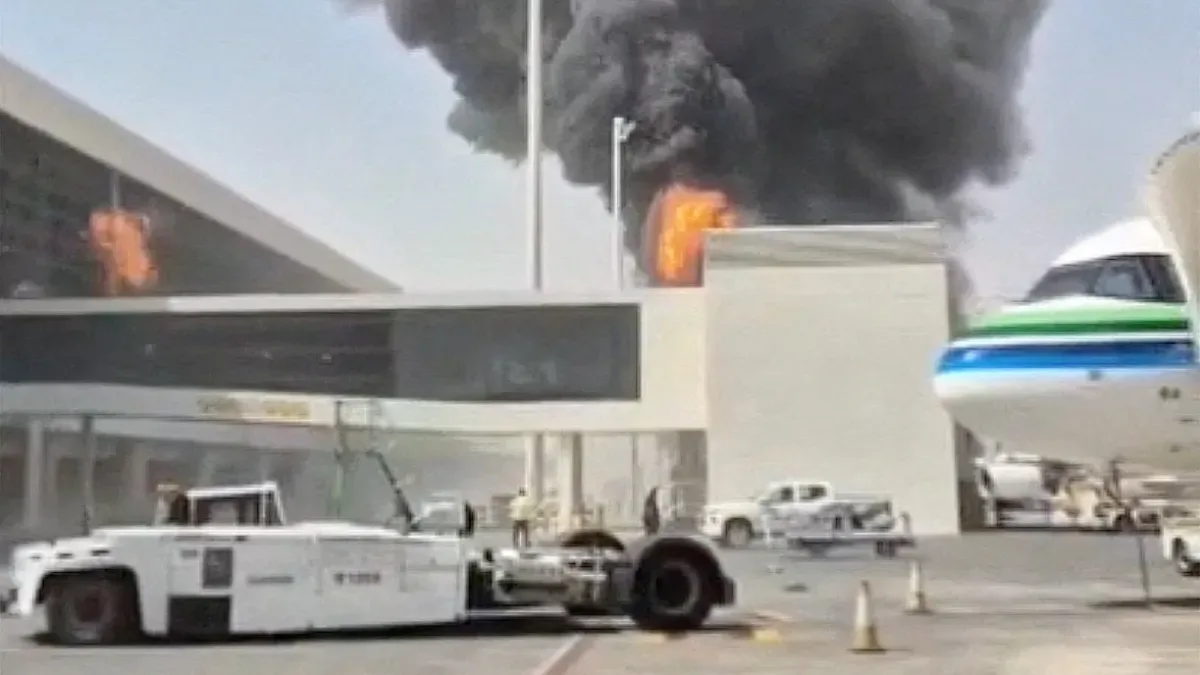
Houthis Launch Ballistic Missile Attack on Riyadh Airport
Iran-backed Houthis have targeted Riyadh's King Khalid International Airport with a ballistic missile, prompting investigations into Saudi air defense failures.
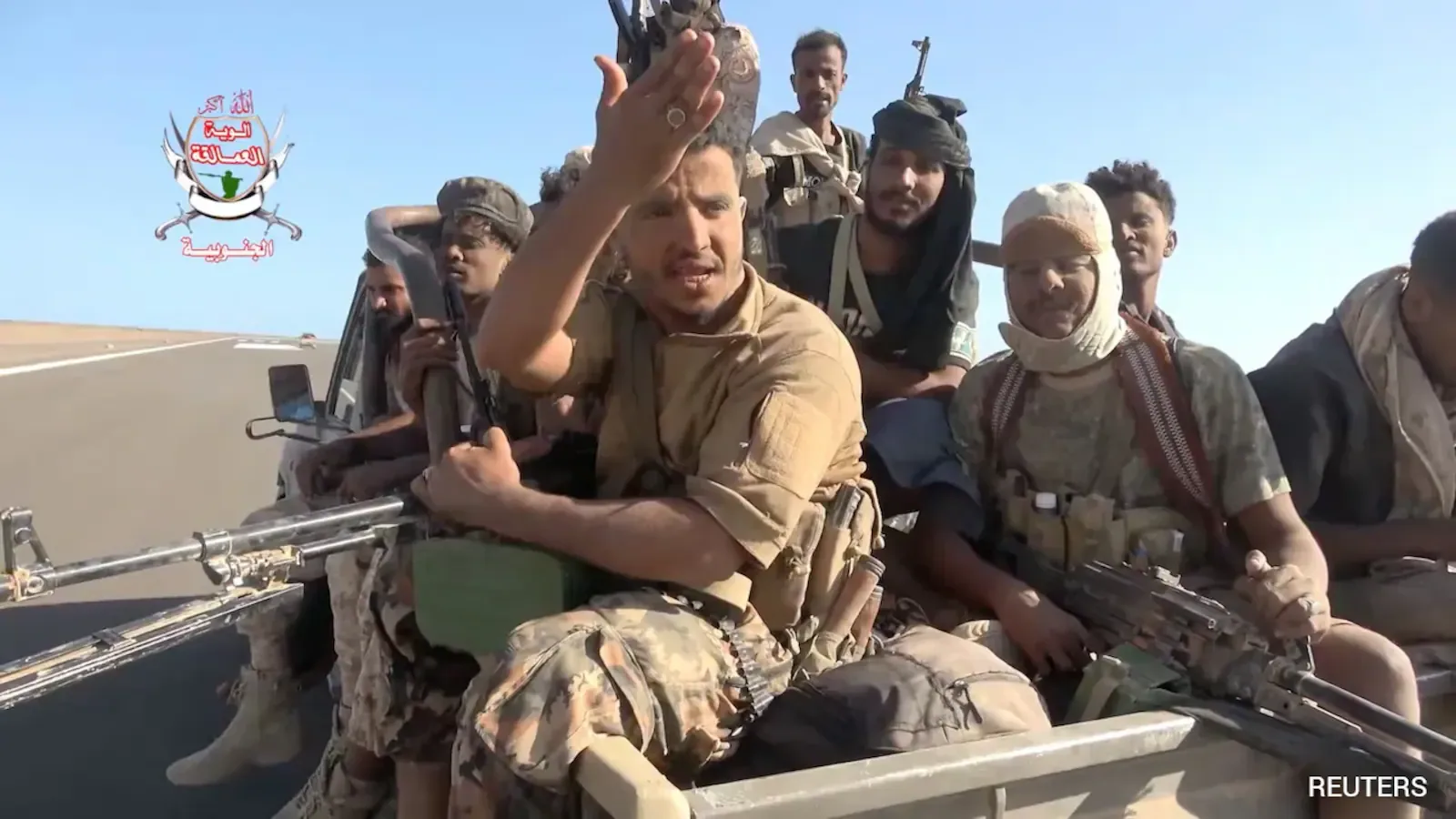
Houthis claim to have successfully struck Riyadh's airport with a ballistic missile.
Saudi Arabia's military coalition intercepted another missile aimed at the capital.
The ongoing conflict highlights vulnerabilities in Saudi defense systems amid rising tensions.
In a significant escalation of hostilities, the Iran-aligned Houthi movement has launched a ballistic missile attack on King Khalid International Airport in Riyadh, Saudi Arabia. The missile strike, which the Houthis claim hit its target accurately, comes as Saudi authorities investigate the failure of their air defense systems to intercept the barrage of attacks from the Yemeni rebels. Houthi military spokesman Yahya Sarea confirmed the missile launch, further intensifying the ongoing conflict in the region.
The Houthis, who have been engaged in a prolonged conflict with Saudi Arabia since 2015, have increasingly demonstrated their missile capabilities. This recent attack follows a series of assaults on Saudi airports, raising alarms about the effectiveness of the kingdom's defense mechanisms. A Saudi military coalition spokesperson reported that they successfully intercepted another missile aimed at Riyadh, indicating ongoing efforts to protect the capital from Houthi strikes.
Saudi officials are currently probing the circumstances surrounding the recent attacks, particularly focusing on why their air defense systems did not provide timely warnings. The Houthis have shown the ability to launch missiles and drones over 1,000 kilometers, which poses a significant threat to Saudi infrastructure and security. This incident marks a critical moment in the conflict, revealing vulnerabilities in Saudi defenses and the potential for further escalation.
The Houthis, officially known as Ansar Allah, have controlled significant portions of northwest Yemen and have been involved in a civil war that has led to one of the world's largest humanitarian crises. Their military capabilities have expanded significantly, with reports estimating their armed forces to be between 180,000 and 200,000 strong, equipped with advanced weaponry, including drones and ballistic missiles. This has allowed them to threaten not only Saudi Arabia but also global maritime trade routes.
Looking ahead, the situation remains tense as Saudi Arabia continues its military operations against the Houthis. The ongoing conflict is likely to have broader implications for regional stability, especially in light of the rising tensions between Iran and Saudi Arabia. The international community is closely monitoring the developments, as further escalations could disrupt global trade and energy markets significantly.