Gokaldas Exports and Sportking Shares Surge 8% Amid Supply Chain Shift
Shares of Gokaldas Exports and Sportking see an 8% increase as global brands shift orders from Bangladesh to India.

Gokaldas Exports and Sportking's shares rose by 8% following a report on order shifts.
Global retailers like Zara and H&M are diversifying supply chains due to unrest in Bangladesh.
India is emerging as a key beneficiary of the shift, with improved delivery times compared to Bangladesh.
Shares of Gokaldas Exports and Sportking India experienced a notable rise of up to 8% on November 27, following reports that major global fashion retailers, including Zara and H&M, have begun transferring a significant portion of their orders from Bangladesh to various Asian manufacturing hubs, particularly India. This shift is part of a broader strategy by these brands to mitigate risks associated with ongoing unrest in Bangladesh.
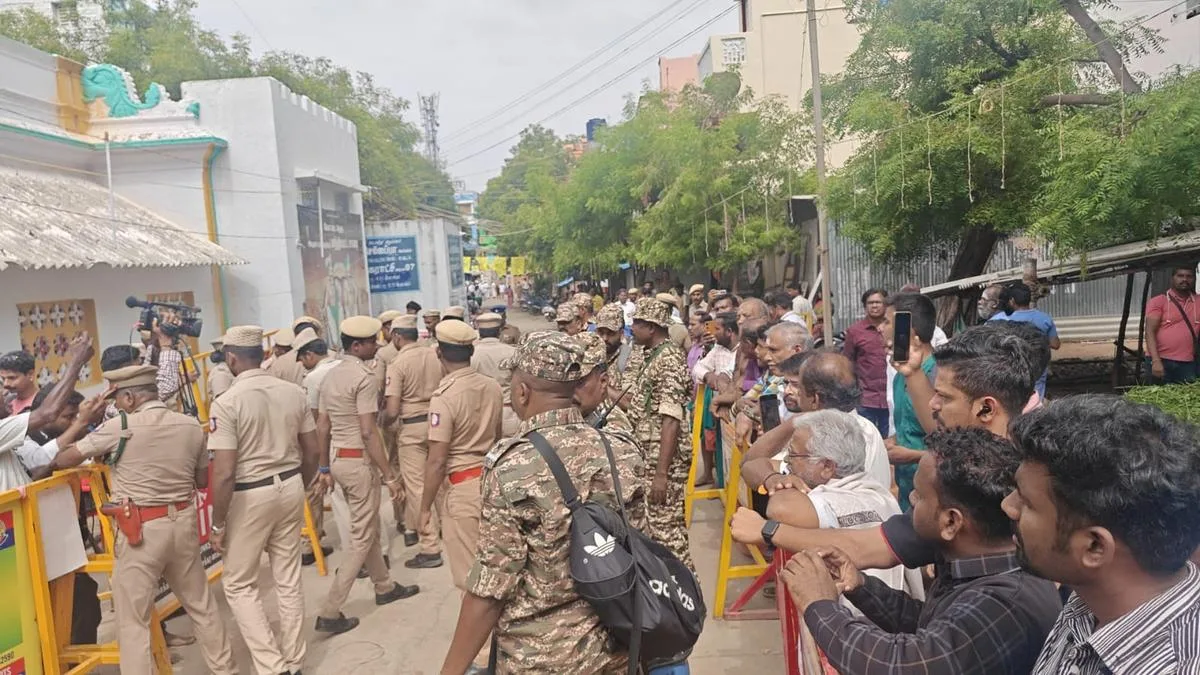
The decision to move orders comes amid rising concerns over political instability, wage increases, and energy shortages in Bangladesh, which have diminished its competitive edge as the world's second-largest apparel exporter. Industry insiders revealed that nearly 10% of monthly orders were redirected in the first half of November, with India receiving a substantial share of this business.
According to anonymous factory owners, the unrest has led brands like Marks & Spencer and Celio to reconsider their sourcing strategies. In response to the challenges faced by Bangladeshi manufacturers, Indian textile companies such as Gokaldas Exports and Sportking are positioned to benefit significantly from this shift. Other textile stocks, including Vardhman Textiles and Trident, also saw increases of 2.4% and 3.9%, respectively.
The implications of this shift extend beyond immediate stock price increases. With Bangladesh recently approving a 36% minimum wage hike for garment workers, the increase has been deemed insufficient by labor advocates, leading to unrest and clashes with police. This situation has intensified pressure on manufacturers, as they grapple with rising costs while facing demands for lower prices from buyers. M. Mohiuddin Chowdhury from the BGMEA highlighted that the wage increase adds to the financial strain on manufacturers, especially as competition from other sourcing countries grows.
Looking ahead, the trend of diversifying supply chains is likely to continue, with India positioned as a key player due to its delivery advantages. While India can typically fulfill orders in about 60 to 90 days, Bangladesh's lead times can extend to approximately 120 days. As global brands seek to enhance reliability and reduce risks, the textile industry in India is poised for further growth in the coming months.