FSSAI Prosecutes Bisleri After Coliform Bacteria Found in Water Sample
The FSSAI has initiated legal action against Bisleri after a water sample from West Bengal tested positive for harmful bacteria.
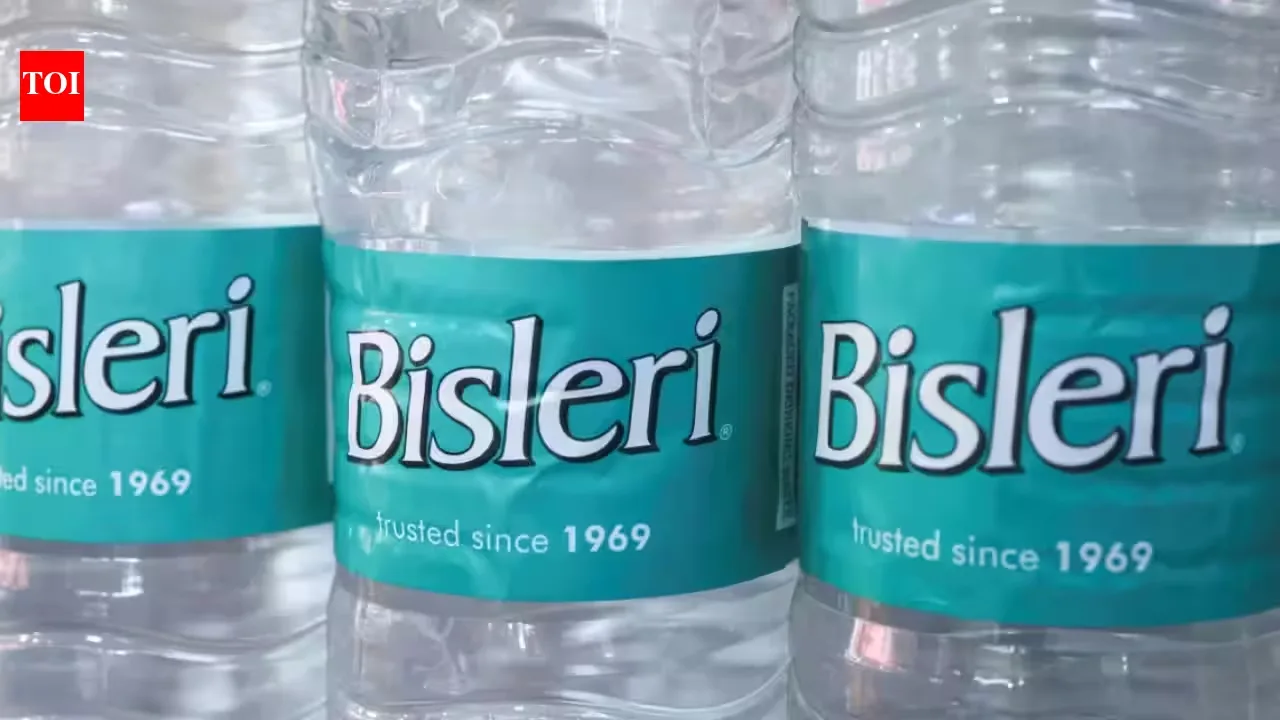
A water sample from Bisleri's West Bengal plant showed coliform bacteria.
This is the second prosecution this week, following a similar case from Goa.
The FSSAI is intensifying inspections of packaged drinking water nationwide.
The Food Safety and Standards Authority of India (FSSAI) has taken legal action against Bisleri International after a water sample from its facility in West Bengal tested positive for coliform bacteria. This significant development comes on the heels of another prosecution initiated by the FSSAI earlier this week concerning a sample from Bisleri's Goa plant. The West Bengal sample was collected from the company's plant located in Telipara village, Jalpaiguri district, as reported by news agency PTI.
The presence of coliform bacteria, which can infiltrate water systems through various means such as sewage leaks and damaged pipes, was confirmed by both primary and referral laboratories. In response to these findings, the FSSAI prohibited the sale of a specific batch of Bisleri's product, labeled PB 201, on August 12. The regulatory body has now granted permission for prosecution due to violations of food safety regulations.
This latest action follows a similar situation involving a sample from Bisleri's Goa facility, where the FSSAI found the sample non-compliant with bromate limits and deemed it unsafe under the Food Safety Act, 2006. Bisleri contested these findings, leading to a referral to a secondary laboratory, which also classified the sample as unsafe after detecting polynuclear aromatic hydrocarbons (PAHs). These findings prompted the FSSAI to pursue legal action against the company.
The FSSAI's crackdown on Bisleri coincides with a broader initiative to enhance the quality control of packaged drinking water across India. FSSAI CEO Rajit Punhani indicated that the agency is actively collecting water samples nationwide, with laboratory results expected within one to two months. This enforcement drive aims to ensure compliance with safety standards rather than incite public panic.
Looking ahead, the FSSAI has directed state food commissioners and regional directors to increase surveillance and inspections of packaged drinking water and mineral water. This year, the authority has intensified its enforcement actions against various food business operators, including those in e-commerce, energy drinks, and alcoholic beverages. The regulatory body is committed to maintaining high safety standards in the food and beverage industry.