FAA Ground Stop Triggers $50 Billion Upgrade Debate
A recent nationwide flight grounding raises urgent questions about the FAA's infrastructure and funding.
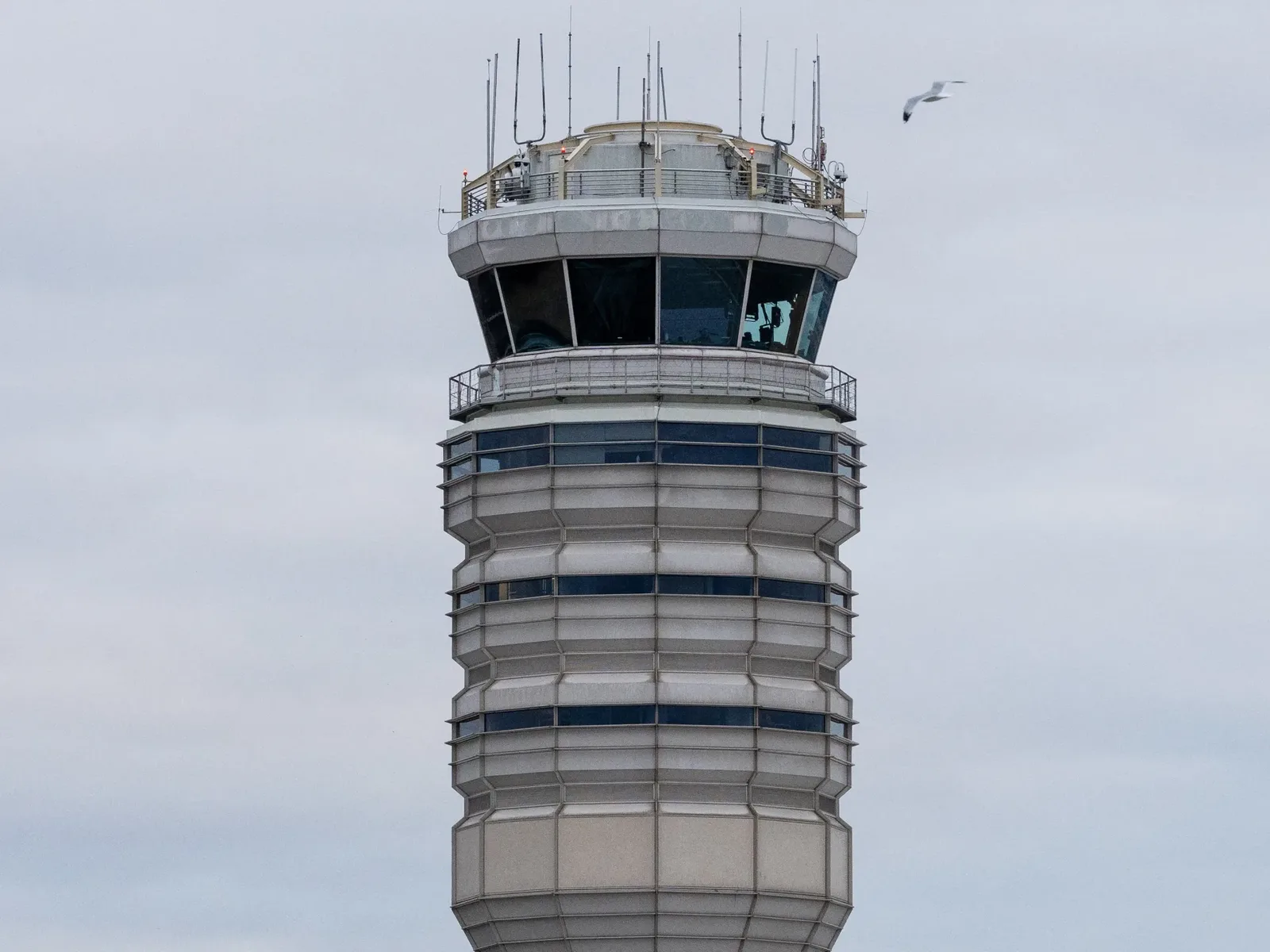
The FAA grounded all flights for nearly four hours due to equipment failure, affecting over 9,000 flights.
Democratic lawmakers demand transparency regarding the $50 billion requested for FAA upgrades.
Aging infrastructure and contractor issues are central to ongoing concerns about aviation safety.
On November 14, 2026, the Federal Aviation Administration (FAA) implemented a nationwide ground stop, halting all flights for nearly four hours due to a significant equipment failure. This unprecedented action, only the second since the September 11 attacks, resulted in the cancellation of over 9,000 flights and left approximately 1.5 million passengers stranded across the country.
The disruption was attributed to a malfunction during an upgrade process, where communication routers between aircraft and air traffic control ceased functioning. Transportation Secretary Sean Duffy confirmed that efforts were underway to restore normal operations, but delays persisted. Critics have raised concerns about whether this incident could have been avoided, pointing to a lack of effective oversight and management of the FAA’s modernization efforts.
Former President Donald Trump has requested $50 billion for necessary upgrades to the FAA’s infrastructure, yet Democratic lawmakers are demanding transparency regarding how these funds would be allocated. Representative Rosa DeLauro emphasized that Congress has previously shown willingness to invest in the FAA but criticized the administration for not effectively utilizing the funds already available. Investigations are ongoing to determine the root cause of the recent failure, with Duffy hinting at potential issues with the contractor, L3Harris, which has been involved in upgrading the FAA’s telecommunications systems.
The grounding incident has sparked broader discussions about the aging infrastructure of the FAA, which has struggled with outdated technology for years. Reports from the Government Accountability Office indicate that many of the FAA's systems are unsustainable, with critical components dating back to the 1960s. The reliance on obsolete technology raises serious safety concerns, as evidenced by previous incidents where communication failures led to flight delays and dangerous situations.
Looking ahead, the FAA faces mounting pressure to address its infrastructure challenges. With over 11,000 individual upgrade projects pending, the agency must navigate complex coordination issues and ensure proper oversight of contractor work. As discussions continue regarding funding and modernization plans, the aviation industry and the public await decisive actions to enhance safety and reliability in air travel.