Expert Urges Renewal of Ganga Water Treaty Before Expiration
With just weeks left before the Ganga Water Treaty expires, an expert calls for a temporary renewal to safeguard agricultural interests.
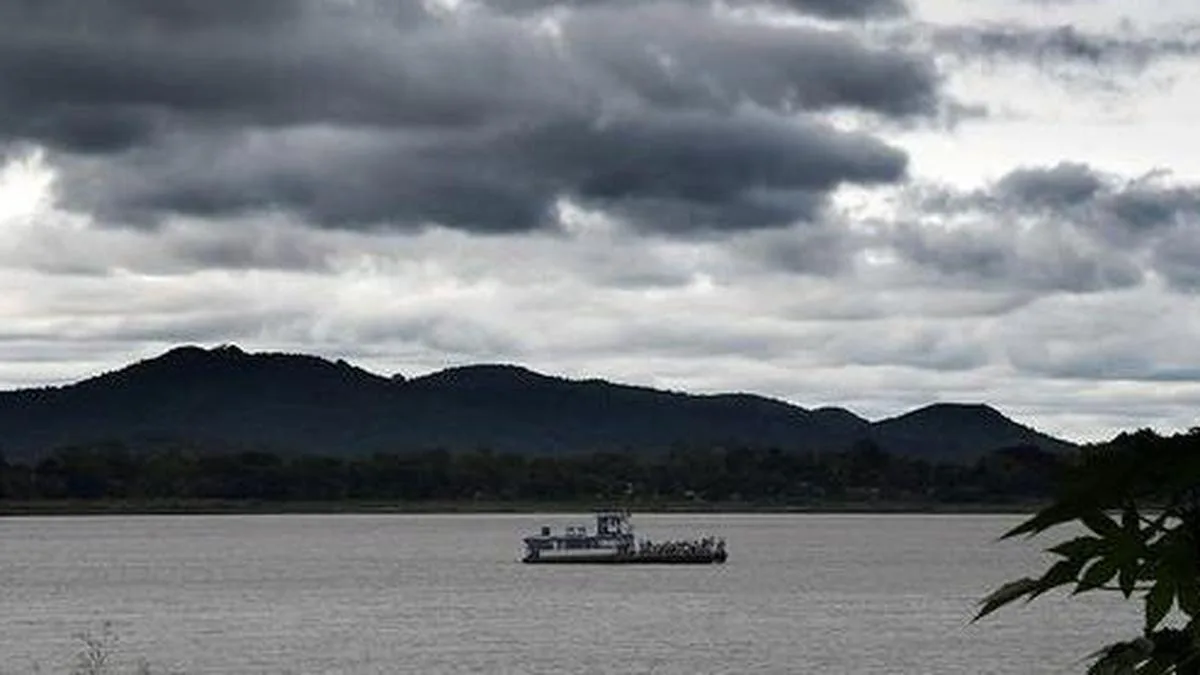
The Ganga Water Treaty, signed in 1996, is set to expire soon.
Expert suggests a short-term renewal of 3 to 5 years is possible.
Bangladesh's agriculture heavily relies on Ganga water, making treaty renewal critical.
As the expiration date of the Ganga Water Treaty approaches, an expert has emphasized the urgent need for its temporary renewal. Manjur Ahmed Chowdhury, a former Chairman of the National River Conservation Commission of Bangladesh, stated that with only four weeks remaining before the treaty's expiration on December 31, 2026, a complete overhaul of the treaty is unlikely. He suggested that political leaders from both India and Bangladesh could agree to extend the treaty for three to five years at the last moment.
Chowdhury pointed out that the limited time frame makes it impractical to revise the treaty comprehensively. However, he argued that maintaining some form of agreement is preferable to having none, especially considering the upcoming agricultural season in Bangladesh. He warned that without a treaty, India may not be obligated to release water regularly, which could severely impact Bangladesh's agriculture, economy, and ecology.
The Ganga Water Treaty, established in December 1996, was a response to the unpredictability of water supply that Bangladesh faced from 1988 to 1996. The treaty facilitated a structured sharing of Ganga waters, which has been crucial for Bangladesh's agricultural planning. Chowdhury noted that the treaty stipulates water sharing based on specific conditions at the Farakka barrage, ensuring that both countries receive equitable access to water resources.
Chowdhury expressed concern over the potential consequences of not having a legally binding agreement in place. He recalled the difficulties faced during the Ershad administration when water supply unpredictability led to significant challenges for Bangladesh. He urged the current political leadership to prioritize the treaty's renewal, highlighting the disconnect between foreign policy and the pressing need for water resource management.
Looking ahead, Chowdhury remains cautiously optimistic that an agreement can be reached before the treaty expires. He emphasized the necessity for both governments to engage in meaningful dialogue to address the treaty's shortcomings, including sedimentation issues and changes in the river's dynamics over the past three decades. He believes that a significant development could occur by early December to preserve the treaty's framework.