Escalating Attacks on Saudi Airports: A New Houthi Strategy
Yemen's Houthi rebels intensify strikes on Saudi airports, marking a significant escalation in the ongoing conflict.
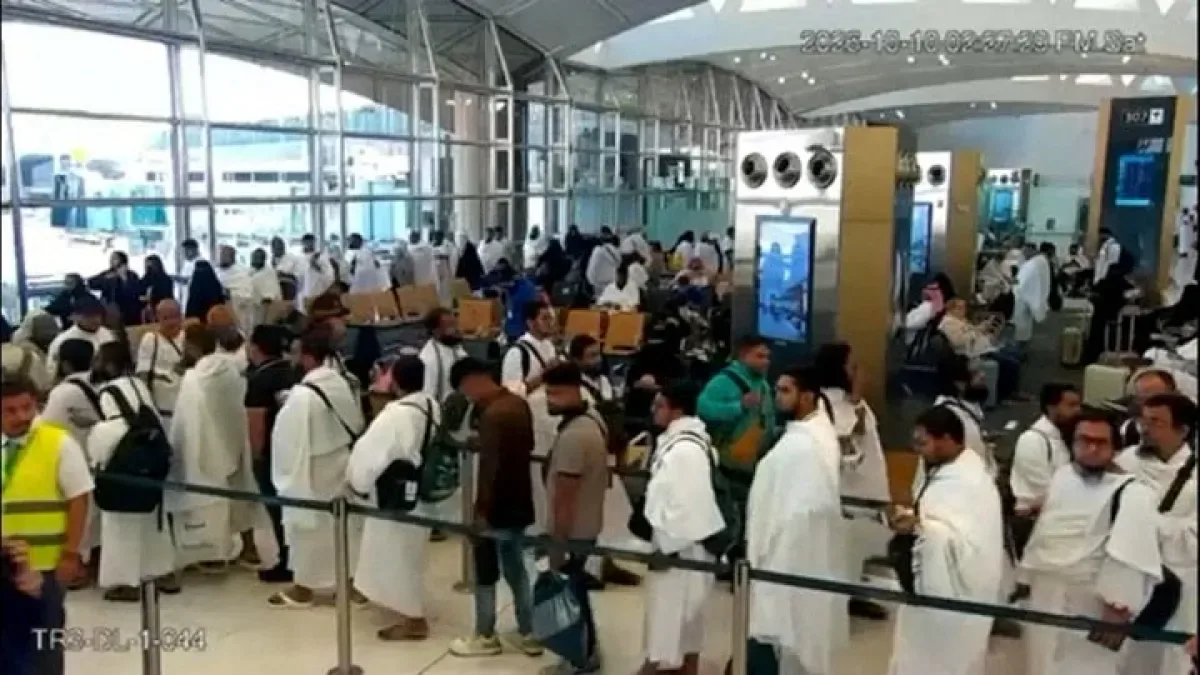
Recent attacks on Saudi airports have resulted in fatalities and injuries, disrupting civil aviation.
The Houthis have claimed responsibility for multiple assaults, including one that killed one and injured eleven at Riyadh's King Khalid International Airport.
The escalation follows the collapse of a UN-brokered ceasefire and is expected to impact regional stability and international travel.
In a dramatic escalation of hostilities, Yemen’s Houthi rebels have launched a series of attacks on Saudi airports, significantly disrupting civil aviation operations. The most recent assault occurred on October 10, 2026, at King Khalid International Airport in Riyadh, resulting in one death and multiple injuries. This incident is part of a broader pattern of violence, with the Houthis striking the airport four times in just five days, marking one of the deadliest assaults on Saudi soil in over a decade.
The backdrop to these attacks is a deteriorating security situation in Yemen, where fighting has intensified between Houthi forces and the Saudi-backed Yemeni government. The recent escalation follows the breakdown of a UN-mediated ceasefire that had been largely effective since 2022. As hostilities reignite, both sides are targeting each other's critical infrastructure, with the Houthis claiming responsibility for attacks on several airports, including King Fahd International Airport in Dammam and Abha International Airport.
Official reports indicate that the assaults have led to significant casualties, with the October 7 attack on Abha Airport resulting in two deaths and 28 injuries. The Saudi Civil Aviation Authority has suspended operations at affected airports, and international airlines, including Lufthansa and Air France-KLM, have canceled flights to Riyadh amid security concerns. The Saudi government has issued warnings to its citizens regarding travel to the capital, further complicating the situation.
The implications of these attacks extend beyond immediate casualties, as they threaten to destabilize the region and disrupt international travel. The Saudi government is currently hosting major energy and investment conferences, including the World Petroleum Congress, which has drawn global attention. Despite the ongoing violence, organizers have stated that the events will proceed as planned, although concerns about security remain high. Analysts predict that the Houthis may continue to target critical infrastructure, including oil pipelines, to exert pressure on Saudi Arabia and gain concessions.
Looking ahead, the situation remains fluid, with both sides likely to escalate their military operations. The Houthis are expected to continue their campaign against Saudi airports and other strategic targets, while the Yemeni government forces, backed by Saudi Arabia, may intensify their airstrikes on Houthi-controlled areas. As the conflict unfolds, the potential for further violence and disruption looms large, raising questions about the future of peace efforts in the region.