Decade Since Surgical Strikes: A New Era in India's Defense
India commemorates ten years since the pivotal surgical strikes that reshaped its counter-terrorism approach following the Uri attack.
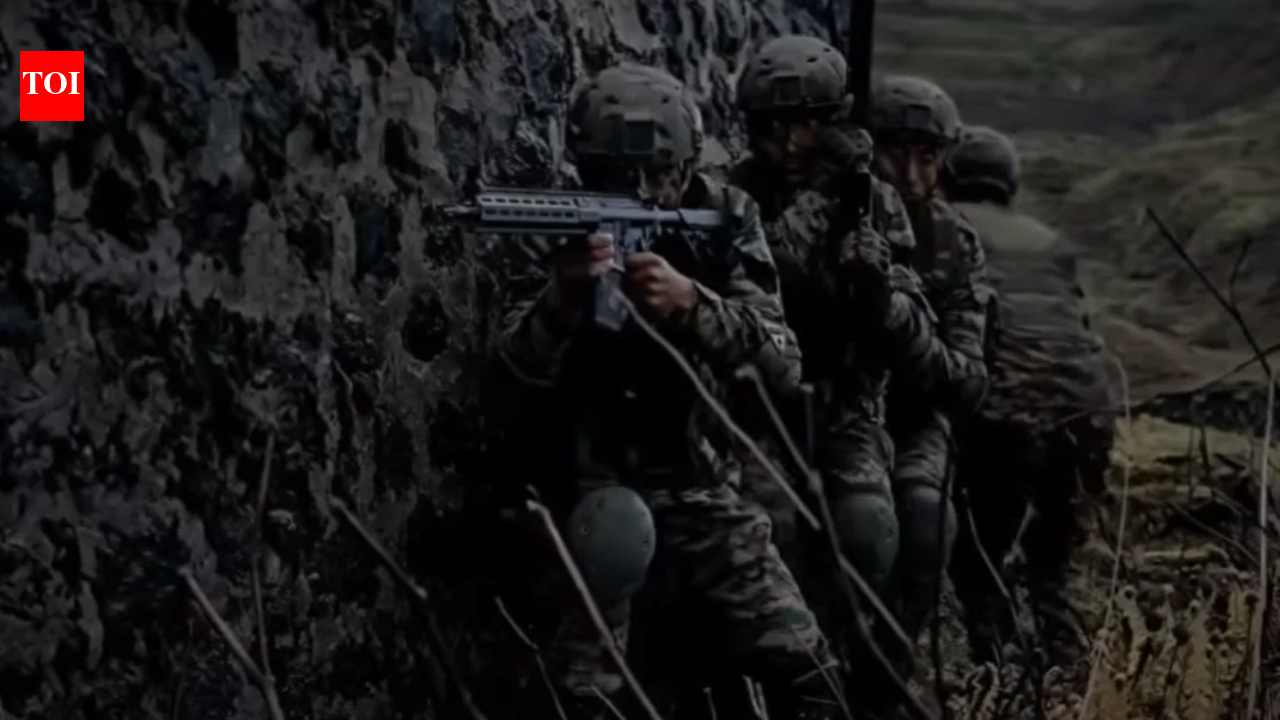
The surgical strikes on September 29, 2016, were a direct response to the Uri attack that killed 19 Indian soldiers.
This operation marked a significant shift in India's military strategy towards proactive retaliation against terrorism.
Subsequent operations, including Balakot and Operation Sindoor, were influenced by the success of the surgical strikes.
On September 29, 2026, India observes the tenth anniversary of the surgical strikes that transformed its counter-terrorism strategy. These strikes were executed in retaliation for the Uri attack on September 18, 2016, where 19 soldiers lost their lives due to an assault by Jaish-e-Mohammed terrorists on an Army brigade headquarters in Jammu and Kashmir.
The Uri attack was not an isolated incident; it followed a series of terrorist activities in the region, including a previous attack on the Mohura camp in December 2014, which resulted in the deaths of 11 security personnel. The 2016 assault was particularly devastating, exacerbated by a fire that spread through the camp, leading to a higher casualty count. This incident prompted a reevaluation of India's military response to terrorism.
In the early hours of the surgical strikes, Indian forces crossed the Line of Control (LoC) into Pakistan-occupied Kashmir, targeting seven terror launch pads across various sectors. The then Defence Minister, the late Manohar Parrikar, approved the operation, emphasizing the need to retaliate decisively against the enemy. The success of this operation not only inflicted significant damage on terrorist infrastructure but also demonstrated India's resolve to respond to cross-border terrorism.
The implications of the surgical strikes extended beyond immediate military gains. They set a precedent for future operations, such as the Balakot airstrike in 2019 and Operation Sindoor, reinforcing India's commitment to combat terrorism effectively. This shift in strategy has had lasting effects on regional security dynamics and India's defense posture.
Looking ahead, the anniversary of the surgical strikes serves as a reminder of the evolving nature of India's military strategy. As the nation reflects on the past decade, it continues to adapt its approach to counter-terrorism, ensuring that it remains vigilant against emerging threats while maintaining a robust defense capability.