COP31 Talks Fail as Saudi Arabia Accused of Undue Influence
Negotiators express frustration over Saudi Arabia's dominant role at COP31, leading to a historic failure to reach a political agreement.
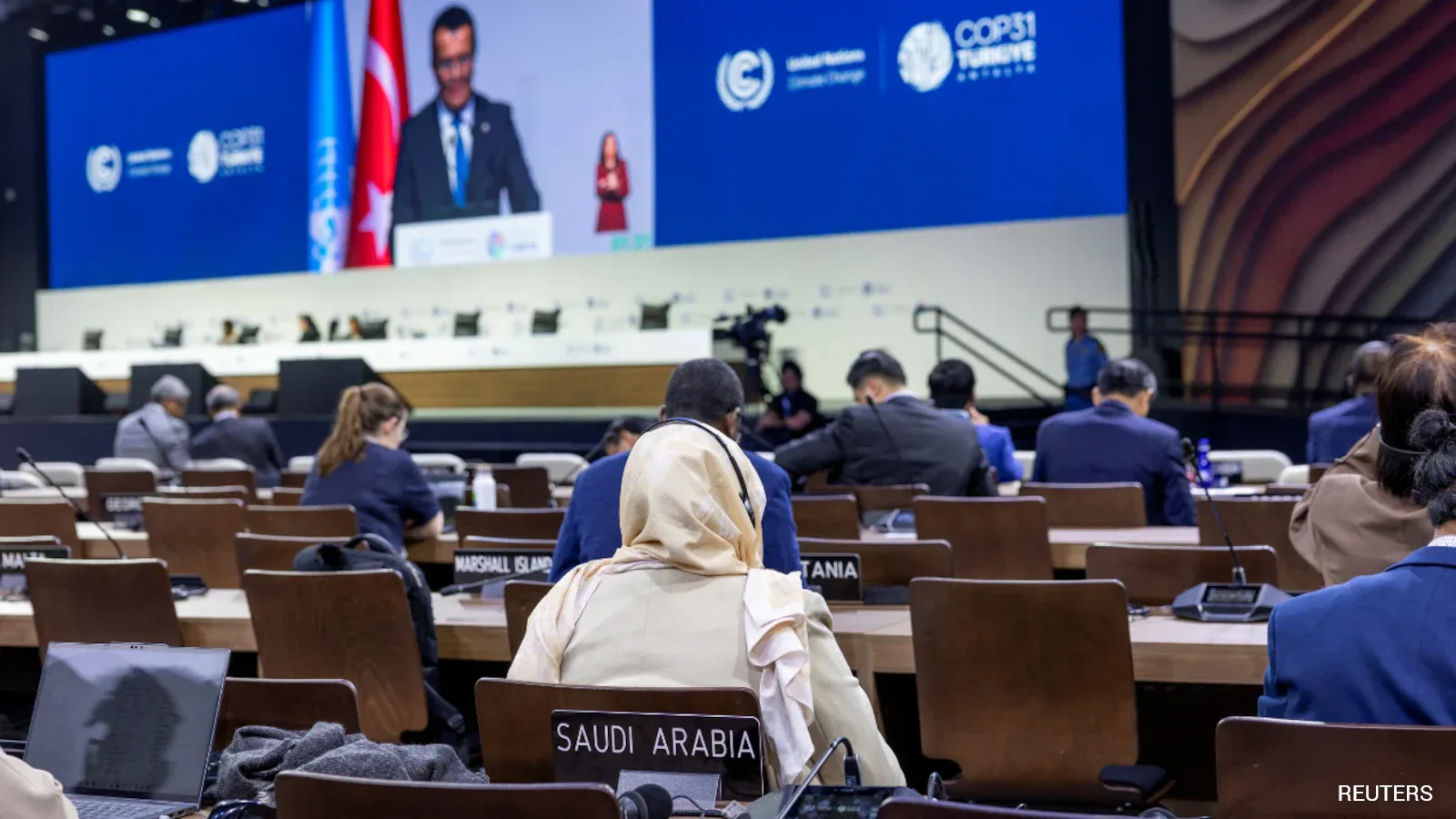
Saudi Arabia's influence at COP31 has been criticized by multiple countries.
The conference ended without a political agreement for the first time since 2009.
Key players like the EU and small island states are pushing for fossil fuel mentions in future agreements.
The COP31 climate conference concluded without a political agreement, marking the first such failure since 2009. Delegates from various countries, particularly small island states and members of the European Union, expressed their discontent over Saudi Arabia's significant influence during the negotiations. Reports indicate that Saudi officials had consistent access to key discussions, which some negotiators believe skewed the balance of power at the Antalya conference.
Historically, COP meetings have included references to fossil fuels in their agreements, but this year, the Turkish presidency's revised draft notably omitted such language. As the talks progressed, divisions deepened, particularly after Saudi Arabia maintained a firm stance against any mention of fossil fuels, insisting that discussions should focus on carbon capture technologies instead. This rigidity was met with frustration from many nations, especially those vulnerable to climate change impacts.
Ireland's climate minister, Darragh O'Brien, voiced the sentiment of many when he stated that the conference was effectively hijacked by oil-producing nations. The absence of active engagement from the United States and a lack of coordination with China further complicated the negotiations, leading to a less defined discussion framework. Singapore's Environment Minister Grace Fu highlighted that the absence of major players in guiding the talks contributed to the confusion and lack of consensus.
As the conference progressed, a coalition of around 130 countries, including members of the High Ambition Coalition, pushed for a deal that included transitioning away from fossil fuels. However, the final text presented on Sunday morning largely ignored these calls, leading to widespread anger among negotiators. Many felt that the interests of fossil fuel producers overshadowed the urgent need for climate action, with Danish Climate Minister Samira Nawa remarking on the disproportionate voice given to oil-producing nations.
Looking ahead, the failure to reach an agreement at COP31 raises concerns about future climate negotiations. The lack of consensus may hinder progress on global climate goals, and countries will need to reassess their strategies ahead of upcoming climate summits. The international community is left to ponder the implications of this setback as they prepare for future discussions on climate action.