Contempt Petition Filed by Journalist Against Delhi Police Officials
Amaan Rastogi, a journalist, has filed a contempt petition in the Supreme Court alleging police misconduct during protests.
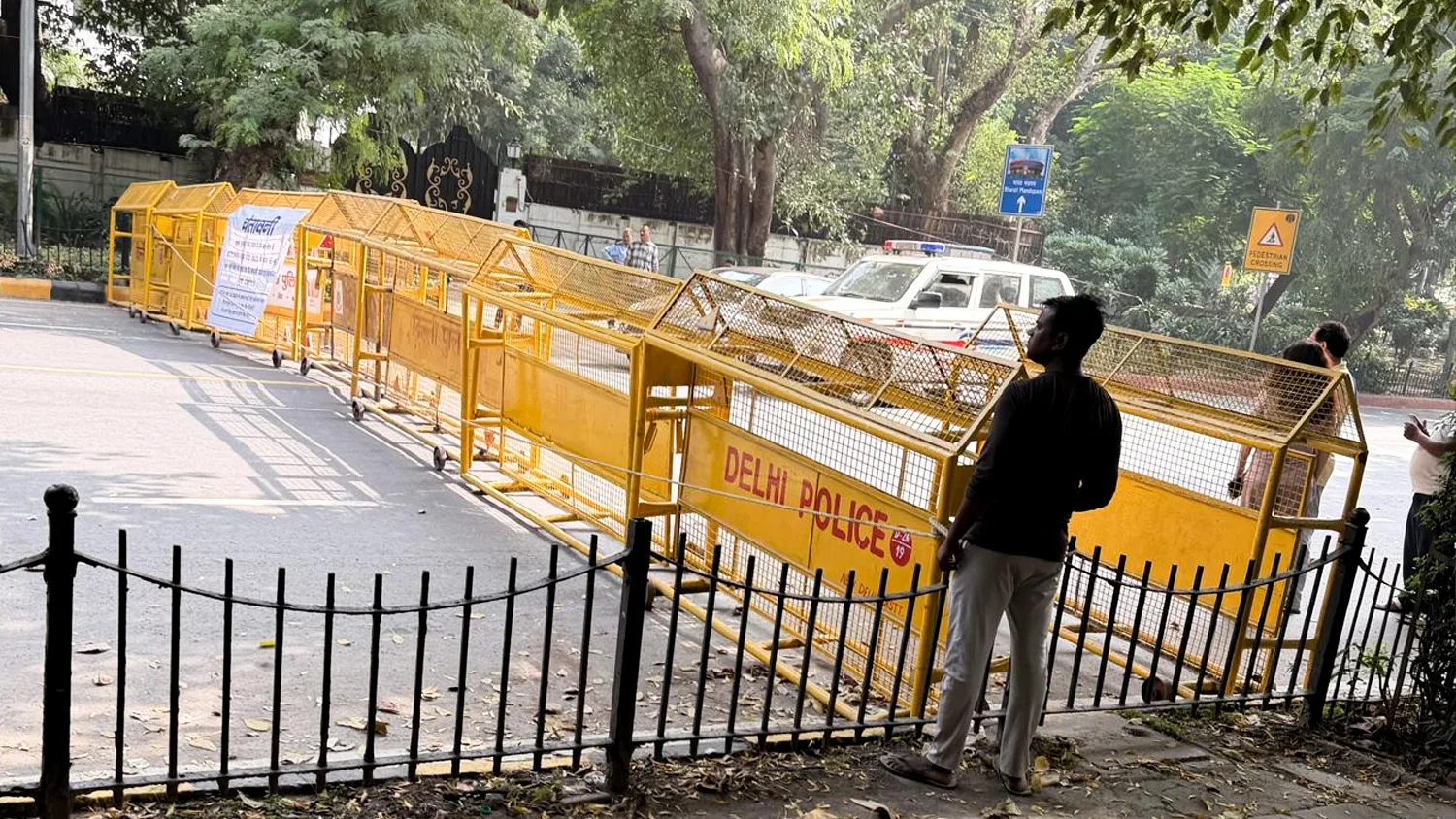
Amaan Rastogi claims police violated Supreme Court orders by detaining them while reporting.
The petition names several police officials, including the Delhi Police Commissioner.
Rastogi seeks accountability for alleged police misconduct and damages to their press ID.
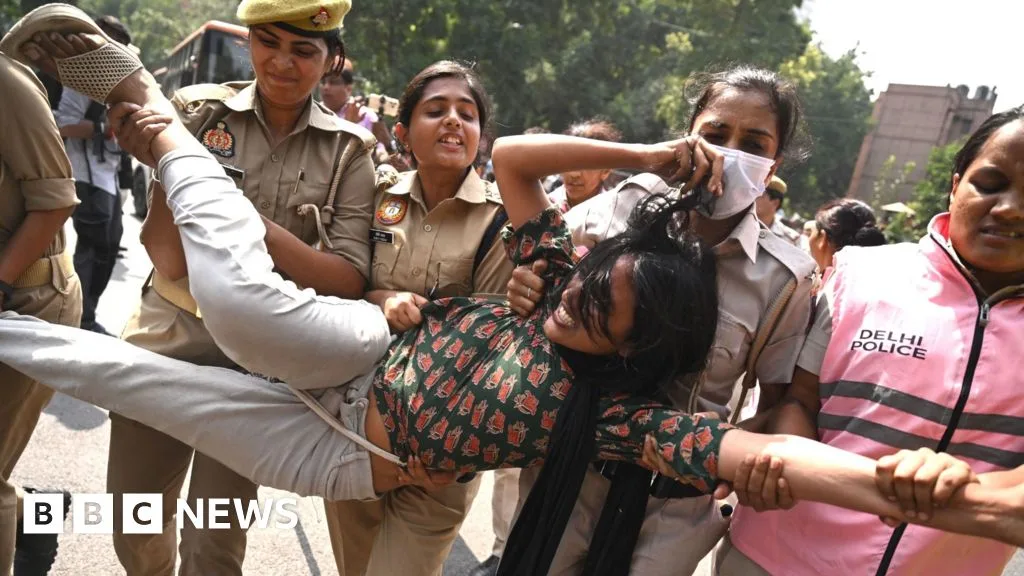
Amaan Rastogi, a 26-year-old journalist working for the digital news platform Molitics, has initiated a contempt petition in the Supreme Court against the Union Home Secretary and the Delhi Police Commissioner. This legal action stems from allegations of police misconduct during their coverage of protests on October 10 and 11, 2026. Rastogi asserts that their rights were violated, particularly in light of a Supreme Court order that explicitly stated journalists should not be obstructed in their professional duties.
The background of this incident reveals that on October 10, Rastogi was detained while reporting near Connaught Place. They were visibly displaying their press ID when questioned by police about the detention of civilians, including a minor. The journalist alleges that they were manhandled and forcibly placed in a bus, an event that was captured on video and circulated widely on social media.
Following the Supreme Court's directive on October 11, which reinforced the protection of journalists, Rastogi claims they were again detained while riding their motorcycle. The police reportedly recognized them and confiscated their phone, which was returned later in a damaged condition. The petition highlights that no official detention memos were provided on either occasion, raising concerns about the legality of the police's actions.
Rastogi's petition argues that their treatment not only contravened the Supreme Court's orders but also violated their constitutional rights under Articles 14, 19(1)(a), 19(1)(g), and 21. The contempt petition seeks to hold accountable the named police officials and demands a personal affidavit from the Delhi Police Commissioner detailing the legal basis for the detentions and the identities of the officers involved.
Looking ahead, the Supreme Court is set to hear the contempt petition on October 13, 2026. This case could have significant implications for press freedom and the accountability of law enforcement agencies in India, particularly in the context of protests and the treatment of journalists covering such events.