CJP Leaders Released After Arrest at Delhi Protest Site
Saurav Das and Ashutosh Ranka of the Cockroach Janta Party are freed from jail following their arrest during a protest against the election commission.
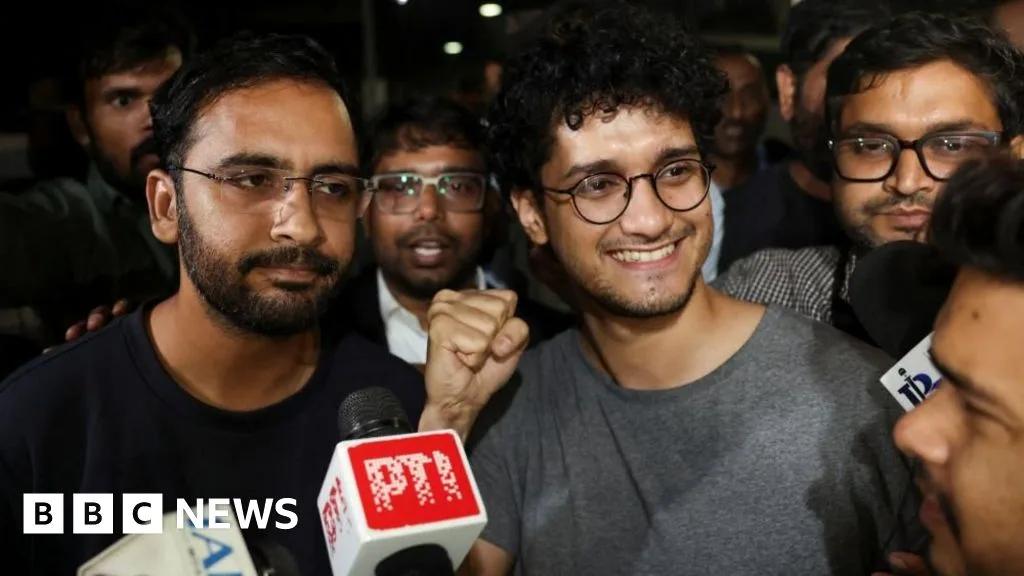
CJP leaders Saurav Das and Ashutosh Ranka were released from Tihar jail after a magistrate's order.
They were arrested for trespassing at a protest site and have called for the resignation of the Chief Election Commissioner.
The Cockroach Janta Party has gained prominence by mobilizing youth against perceived electoral manipulation.
Saurav Das and Ashutosh Ranka, prominent figures of the Cockroach Janta Party (CJP), were released from Tihar jail on October 21, 2026, following their arrest for trespassing at a protest site in Delhi. The two leaders were detained after they crossed barricades and climbed over a locked gate at Jantar Mantar, a location recently removed from the list of designated protest areas. Their release came after a special executive magistrate in Delhi ordered it, allowing them to walk free just hours later.
The CJP, which emerged as a significant youth movement in India, began as an internet joke in May 2026 after a controversial remark by the Chief Justice comparing unemployed youth to 'cockroaches.' Since then, the party has mobilized thousands of young people, initially protesting against leaked exam papers, and has since shifted its focus to electoral issues. Their recent protests have centered around calls for the resignation of Chief Election Commissioner Gyanesh Kumar, whom they accuse of manipulating voter rolls to favor the ruling Bharatiya Janata Party (BJP).
In their first statements after release, Das proclaimed, "Truth alone triumphs. Long live the revolution," highlighting the CJP's commitment to challenging the electoral system. The movement has gained traction, especially after a march towards parliament in July that resulted in clashes with police and heightened scrutiny of the government’s actions. This unrest contributed to the resignation of India's education minister, showcasing the CJP's growing influence.
The CJP, although not a registered political party, has positioned itself as a collective voice for youth discontent, joining forces with opposition parties and other critics of the government. They have raised concerns over the Special Intensive Revision (SIR) of electoral rolls, which has reportedly led to the removal of around 130 million names from voter lists since last year. Critics argue that this process risks disenfranchising eligible voters, while the Election Commission defends it as a necessary measure to eliminate ineligible, deceased, and duplicate entries.
Looking ahead, the CJP plans to continue its advocacy for electoral reform and transparency, aiming to mobilize further support among young voters. The political landscape in India may see increased pressure on the government as the CJP and its allies push for accountability in the electoral process, with upcoming protests and campaigns likely to keep the issue in the public eye.