CJI Surya Kant Highlights Urgent Need for High Court Efficiency
Chief Justice Surya Kant raises concerns over litigants rushing to the Supreme Court for expedited hearings amid rising case backlogs.
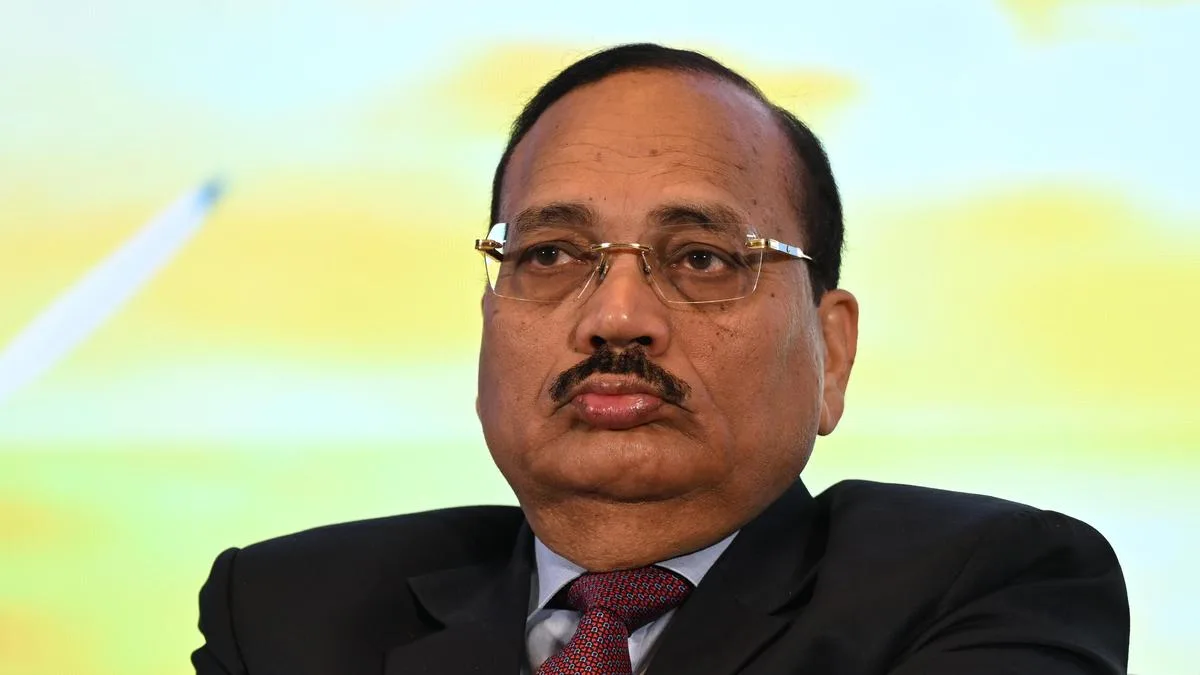
Over 65 lakh cases are pending in High Courts across India.
The Supreme Court's backlog is nearing 100,000 cases, with 97,201 currently pending.
CJI Kant emphasizes the need for improved efficiency and transparency in High Court processes.
On November 1, 2026, Chief Justice of India Surya Kant addressed the Kerala High Court, expressing concern over a notable trend where litigants are increasingly seeking expedited hearings from the Supreme Court for cases pending in High Courts. This trend raises questions about the efficiency of justice delivery at the state level, as the backlog of cases continues to grow.
Currently, there are approximately 65,54,788 cases pending in High Courts throughout the country, with the Supreme Court's own backlog alarmingly close to the 100,000 mark, standing at 97,201 cases. Despite an increase in the number of judges from 34 to 38, including the Chief Justice, the situation has not improved significantly. Additionally, as of October 6, 2026, there are 292 judicial vacancies across the 25 High Courts, which are authorized to have a total of 1,122 judges.
In his remarks, CJI Kant highlighted the frequency of requests for urgent hearings, emphasizing that these should not be seen as a criticism of High Courts but rather as a call for collective responsibility. He pointed out that the powers of High Courts to protect legal rights under Article 226 of the Constitution are broader than the Supreme Court's powers under Article 32. This distinction underscores the importance of High Courts in the justice system.
The Chief Justice posed several critical questions regarding the identification of urgent matters, the transparency and predictability of listing procedures, and the potential role of technology in prioritizing cases that could suffer from delays. He stressed that access to timely justice should not be contingent upon a litigant's ability to travel to the national capital for hearings.
CJI Kant concluded by asserting that judicial independence and efficiency are interconnected, reinforcing public confidence in the judicial system. He remarked, "The difference between justice and injustice lies not in the final judgment, but in whether the court intervenes when intervention is most needed." This statement underscores the necessity for reforms aimed at enhancing the responsiveness of the judicial process in India.