Chorebagan Stampede: New Committee Faces Criticism After Tragedy
The Chorebagan Puja committee's recent overhaul has drawn scrutiny following a deadly stampede that claimed 19 lives.
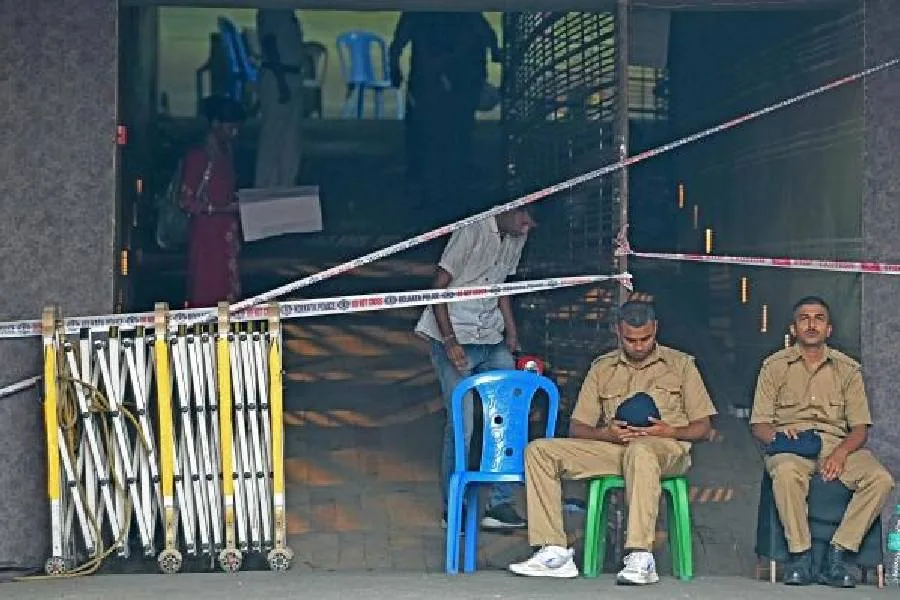
Nineteen people died in a stampede during the Chorebagan Durga Puja celebrations.
A new committee, including several BJP affiliates, was formed shortly before the incident.
Poor crowd management and lack of local knowledge among new members are cited as contributing factors.
The Chorebagan Puja committee has undergone significant changes recently, with a new group of members being appointed just weeks before the tragic stampede that resulted in 19 fatalities. This reorganization has raised concerns among the community, especially as many of the new entrants are associated with the Bharatiya Janata Party (BJP). The committee's formation was marked by the resignation of several longstanding members, including the previous general secretary, Jayanta Banerjee, who indicated that the new members lacked familiarity with the locality's layout and the intricacies of organizing large-scale events.
The stampede occurred during the Durga Puja celebrations, with eyewitnesses reporting that poor crowd control measures were in place. The narrow exit corridor, inadequate lighting, and a panic-inducing announcement about a potential collapse contributed to the chaos. Survivors and local residents have criticized the new committee for their inexperience, claiming that the previous members had established effective crowd management protocols that were not followed this year. One former committee member noted that a buffer zone, which had previously helped manage crowd flow, was absent during the event.
In the aftermath of the stampede, seven individuals, including four members of the new committee, have been arrested. However, no prominent BJP figures have faced repercussions, leading to accusations of political favoritism. The local MLA, Bijay Ojha, who also serves as the Puja committee chairman, has denied any intention of the BJP to take over the committee, emphasizing that he was appointed based on his role as a local representative. He expressed his sorrow over the tragedy but refrained from addressing the criticisms directed at the committee's management.
The implications of this incident extend beyond the immediate tragedy, raising questions about the future of the Puja celebrations in Chorebagan and the involvement of political parties in community events. Many local organizers have voiced concerns that the lack of experienced leadership could jeopardize the safety and enjoyment of future festivities. The community is now calling for a reevaluation of the committee's structure and a return to practices that prioritize crowd safety and local knowledge.
Looking ahead, the Chorebagan Puja committee faces a critical juncture. With public sentiment demanding accountability and improved safety measures, the committee must address these concerns to restore trust among local residents. Future meetings and discussions are anticipated as community leaders and residents seek to ensure that such a tragedy does not occur again during the upcoming celebrations.