China to Enforce Export Controls on Tunnel-Boring Machines from November 18
China announces new export restrictions on tunnel-boring machines, citing national security concerns, impacting India's infrastructure projects.
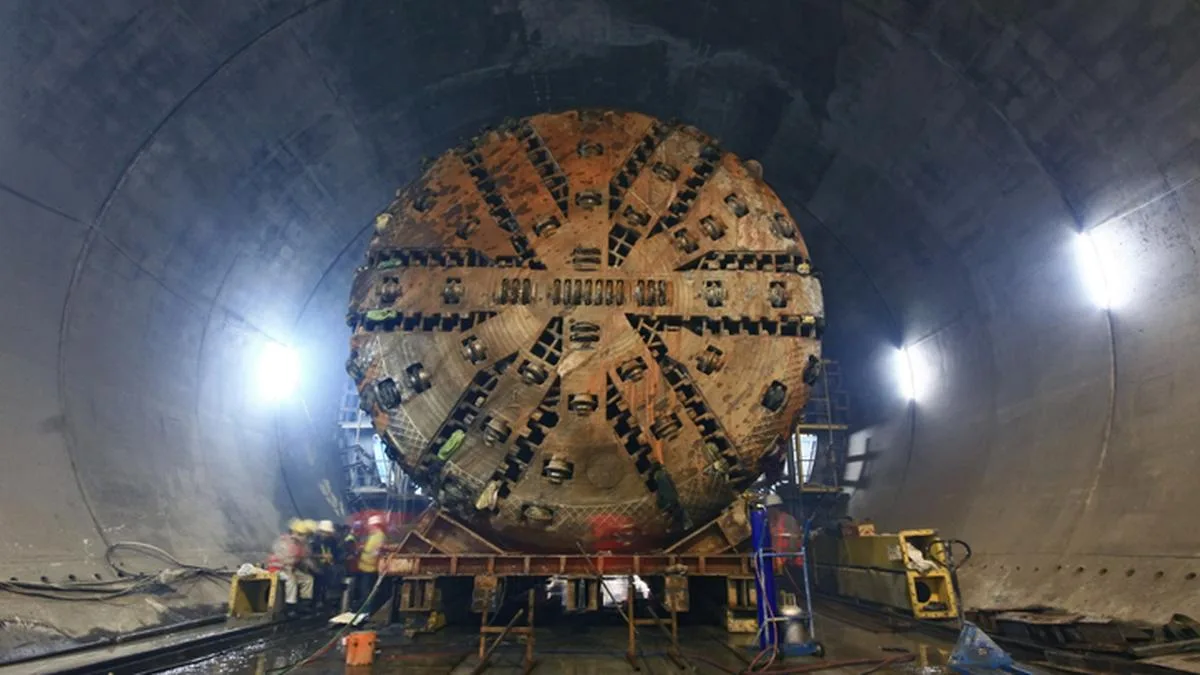
China will impose export controls on tunnel-boring machines starting November 18, 2026.
India has faced delays in importing these machines, crucial for infrastructure development.
The announcement follows China's broader plan to restrict exports of over 40 advanced technologies.
On October 19, 2026, China declared its intention to implement export controls on tunnel-boring machines (TBMs) effective from November 18. This decision is framed as a measure to enhance national security and protect national interests. The announcement adds to existing challenges faced by India, which has been experiencing significant delays in customs clearance for TBMs essential for various infrastructure projects, including metro rail systems and railway corridors.
The Chinese Ministry of Commerce outlined that these export controls are part of a broader strategy to optimize and adjust regulations concerning certain dredgers and related items. The ministry emphasized that the controlled items possess dual-use characteristics, applicable for both civilian and military purposes. This move is also positioned as a step for China to meet its international obligations regarding non-proliferation.
India's reliance on imported TBMs has been a growing concern, particularly since 2024 when import difficulties began. Commerce Minister Piyush Goyal had previously raised the issue during discussions with German officials, highlighting that China was obstructing the export of TBMs manufactured by a German company within its borders. The recent announcement from China further complicates India's efforts to secure these vital machines for ongoing and future projects.
In addition to TBMs, China has also introduced export controls on various drone technologies, including autopilots designed for unmanned aerial vehicles (UAVs) and UAVs with extended endurance capabilities. These measures are part of a larger initiative, as China recently unveiled plans to restrict exports of over 40 advanced technologies, including those related to solar manufacturing and artificial intelligence.
Looking ahead, the implications of these export controls could significantly impact India's infrastructure ambitions, particularly in the renewable energy sector, where reliance on Chinese technology is prevalent. As India seeks to enhance its domestic manufacturing capabilities, the new restrictions may hinder progress in reducing dependence on Chinese imports, prompting a reevaluation of supply chains and technology partnerships.