Bulgaria's Presidential Run-off: Iotova vs. Gyurov Amid Security Concerns
Bulgarians head to the polls for a presidential run-off amid economic challenges and heightened Black Sea tensions.
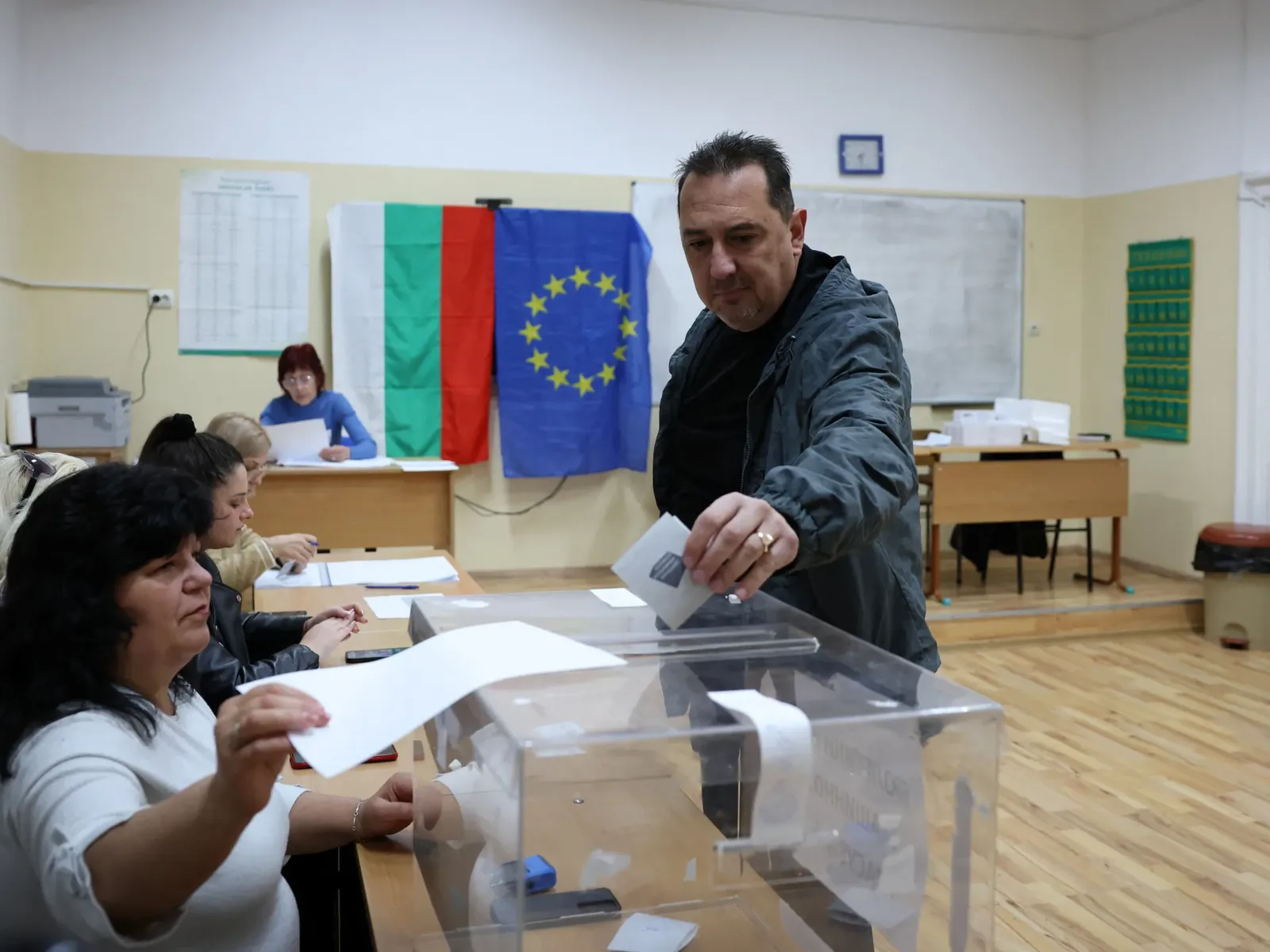
Iliana Iotova leads against Andrey Gyurov in the presidential run-off.
Record low voter turnout of 23% was recorded in the first round.
Recent drone attacks on ships have raised security concerns in the region.
Bulgarians are currently participating in a crucial presidential run-off election, which is taking place against a backdrop of escalating security threats in the Black Sea region and pressing economic issues at home. The incumbent, President Iliana Iotova, aged 61, is competing against former caretaker Prime Minister Andrey Gyurov, 50. In the initial voting round, Iotova secured the lead but did not achieve the necessary 50 percent majority to win outright, prompting this decisive second round.
The first round of voting, which took place earlier, saw an unprecedented low turnout, with only 23 percent of eligible voters casting their ballots, according to election officials. This low engagement reflects widespread disillusionment among the electorate, exacerbated by ongoing economic difficulties and the looming threat of regional instability due to recent conflicts.
As the run-off unfolds, exit polls are expected to be released after the polls close at 8 PM local time on Sunday, with official results anticipated on Monday. This election is particularly significant as it occurs in the wake of a series of drone attacks targeting merchant vessels off Bulgaria's Black Sea coast, which have drawn international condemnation and heightened fears regarding the implications of Russia's ongoing war in Ukraine. Approximately two dozen seafarers are feared dead due to these incidents, prompting the Bulgarian government to seek assistance from NATO allies to enhance maritime security.
Both leading candidates have openly condemned the recent attacks, with Prime Minister Rumen Radev, who supports Iotova, stating that the outcomes of these strikes serve the interests of the Russian Federation. Both candidates have advocated for a diplomatic resolution to the conflict in Ukraine, emphasizing the need for stability in the region. A victory for Iotova would mark a historic moment, as she would become Bulgaria's first elected female president, having previously served as acting president since January.
Gyurov, who has been backed by pro-Western reformist parties, aims to position Bulgaria as a reliable NATO ally that prioritizes strong diplomatic relations and national interests. His previous role as caretaker prime minister included signing a security cooperation agreement with Ukraine, highlighting his commitment to supporting Kyiv. The election outcome will not only determine Bulgaria's leadership but also its stance on critical international issues, particularly in relation to NATO and regional security dynamics.