Brent Crude Approaches $120 Amid Saudi-Houthi Tensions
Oil prices surge as geopolitical conflicts escalate, posing challenges for the U.S. administration.
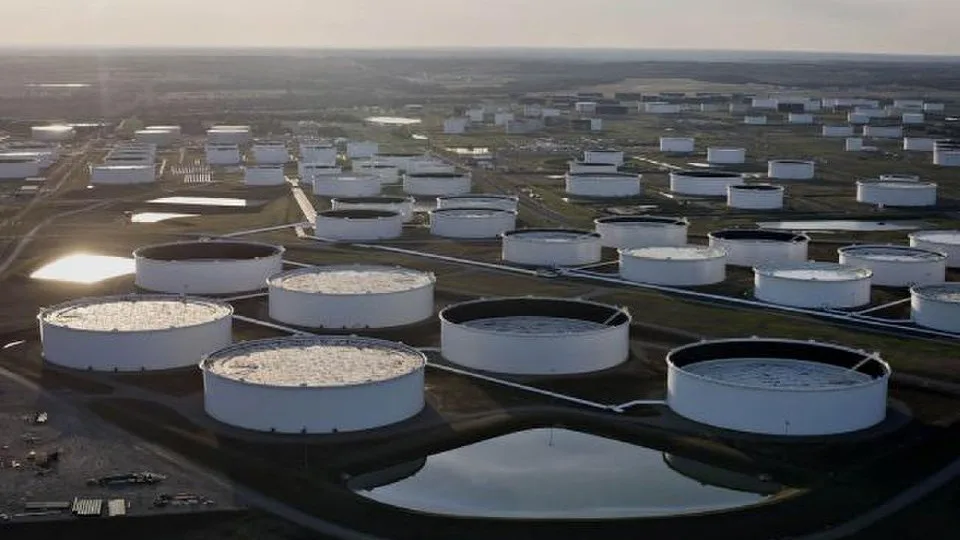
Brent crude oil prices have risen to approximately $117 per barrel.
The ongoing Saudi-Houthi conflict has contributed to a 4% weekly increase in oil prices.
U.S. President Trump faces pressure as diesel prices rise and emergency stockpiles are tapped.
Brent crude oil prices are nearing the $120 per barrel mark, driven by escalating tensions between Saudi Arabia and Houthi forces. As of October 23, 2026, Brent is trading around $117 per barrel, marking a significant increase that poses challenges for U.S. President Trump, despite minimal fundamental changes in the oil market.
The recent rise in oil prices comes amidst a backdrop of geopolitical instability. The Saudi-Houthi conflict has intensified, leading to a notable 4% increase in oil prices over the past week. Although there has been a slight decline in freight rates and a general flattening of backwardated curves, these factors have not been sufficient to counteract the upward pressure from the ongoing conflict.
In addition to the rising crude prices, the U.S. is witnessing a significant shift in diesel supply dynamics. The first Russian diesel cargo, aboard the Maltese-flagged tanker Agioi Fanendes, is en route to New York, marking a pivotal moment in U.S.-Russia energy relations. This delivery is expected to arrive by November 7, coinciding with the U.S. Energy Department's decision to release 315,000 barrels of diesel from emergency stockpiles to mitigate regional shortages.
The implications of rising oil prices are far-reaching. With Europe entering winter and gas prices hitting four-year highs, the energy market is under strain. The situation is exacerbated by Libya's declining oil output due to protests, which threatens to disrupt global supply chains. Furthermore, Saudi Aramco has evacuated its headquarters following Houthi attacks, indicating the severity of the situation in the region.
Looking ahead, the U.S. administration must navigate these turbulent waters carefully. With diesel prices on the rise and geopolitical tensions escalating, the administration's strategies will be closely scrutinized. The arrival of Russian diesel and the ongoing conflicts in the Middle East will likely shape future energy policies and market dynamics.