Brazil's Presidential Election: Polls Close with Lula and Bolsonaro in Tight Race
As polls close, Brazil's election sees incumbent Lula facing off against Flavio Bolsonaro in a highly competitive atmosphere.
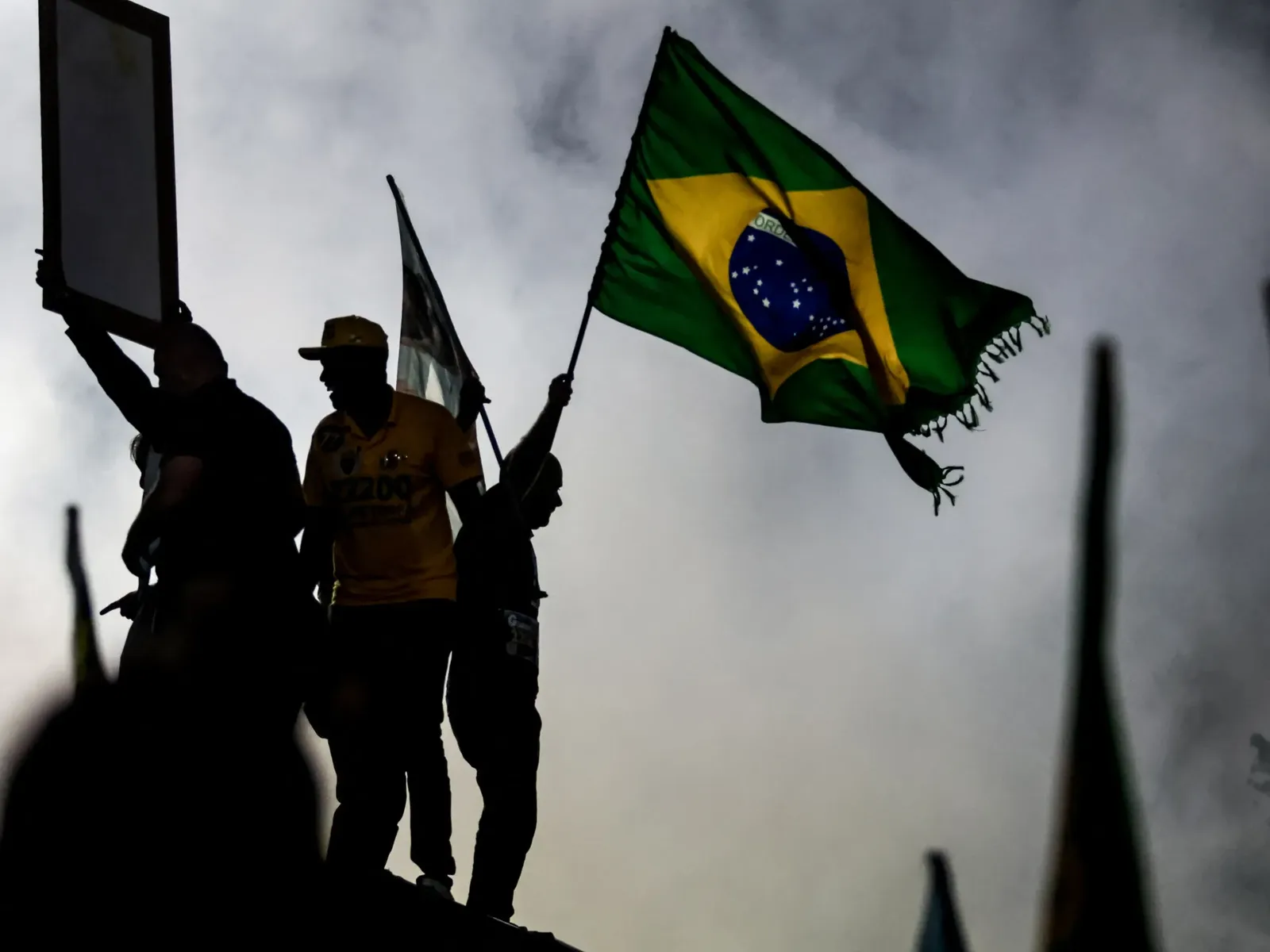
Approximately 160 million voters participated in the election.
Lula seeks a fourth term while Flavio Bolsonaro aims for change.
A run-off is possible if no candidate secures over 50% of the votes.
Polls have officially closed in Brazil's presidential election, marking a significant moment as incumbent Luiz Inacio Lula da Silva faces off against Flavio Bolsonaro, the son of former President Jair Bolsonaro. This election is characterized by a polarized political landscape, with both candidates vying for the support of approximately 160 million registered voters. Results are anticipated shortly after the polls closed, thanks to Brazil's efficient electronic voting system.
The backdrop of this election is steeped in historical context, as Lula, representing the Workers' Party, is pursuing a fourth non-consecutive term. He previously served as president from 2003 to 2010 and has focused on social programs aimed at reducing inequality. In contrast, Flavio Bolsonaro, a right-wing candidate from the Liberal Party, is advocating for a hardline approach to crime and has promised to work closely with the United States.
Recent opinion polls indicated a close race, with Lula holding a slight edge over Bolsonaro. If no candidate receives more than 50% of the valid votes, a run-off election will take place on October 25. Flavio Bolsonaro expressed confidence in his chances, stating, "Brazil needs change... it cannot bear any more suffering." Lula's campaign has been marked by a commitment to social justice and addressing the economic challenges faced by many Brazilians.
The implications of this election extend beyond national borders, as Brazil finds itself at the center of geopolitical tensions between the United States and China. The election has been dominated by pressing issues such as crime, economic instability, and public safety. A recent survey highlighted that 31% of respondents identified violence as their primary concern, followed by corruption and economic issues.
Looking ahead, the outcome of this election could significantly influence Brazil's political landscape and its international relations. The potential for a run-off adds another layer of complexity to an already contentious political environment. As the results are awaited, the stakes remain high for both candidates and their supporters, with the future direction of Brazil hanging in the balance.