Brazil Calls in Argentine Diplomat Amid Bolsonaro's US Flight
Brazil's Foreign Ministry summons Argentina's diplomat over Flavio Bolsonaro's controversial escape to the US following his election defeat.
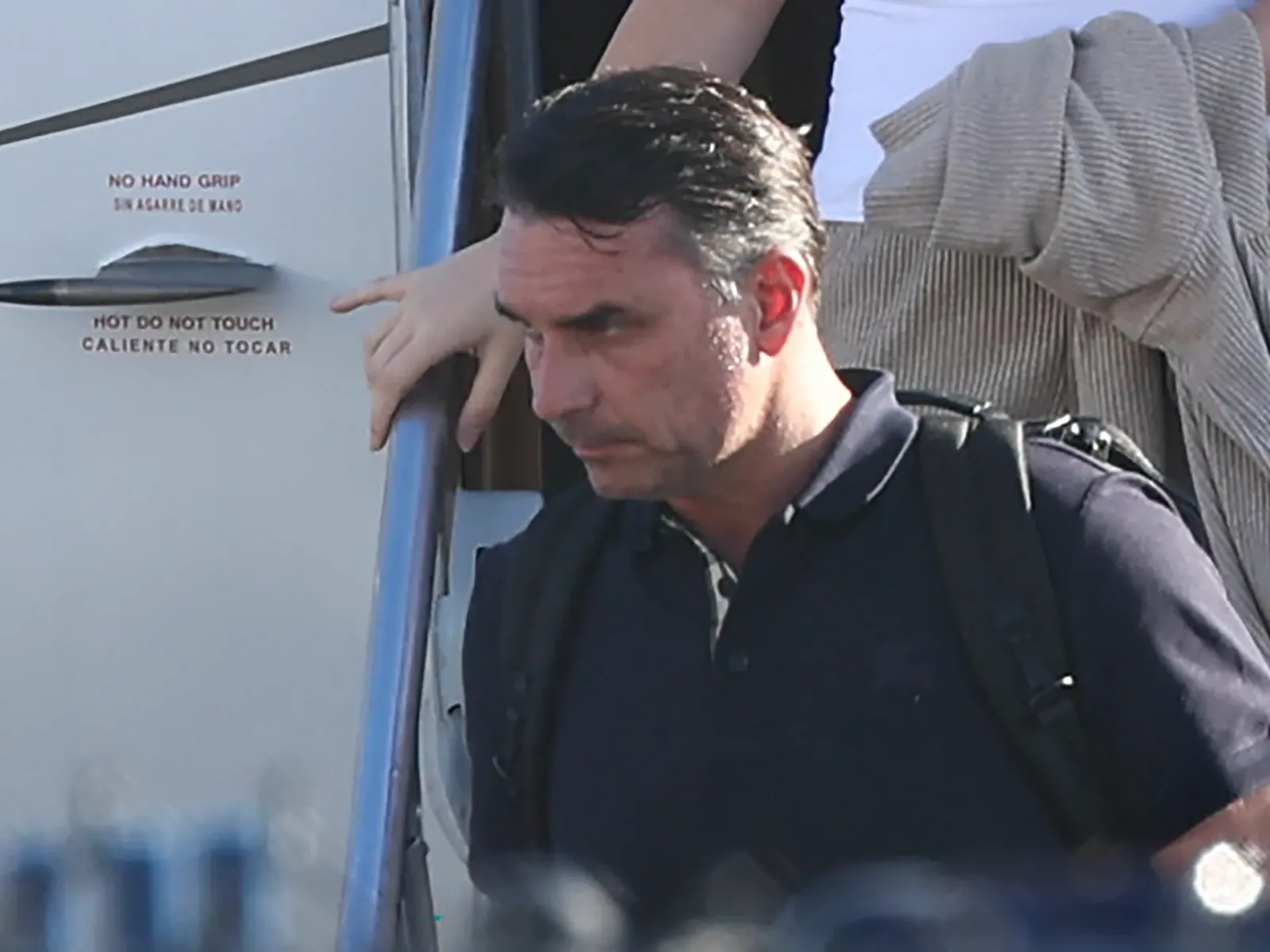
Flavio Bolsonaro fled to the US after losing Brazil's presidential election.
Brazil's Foreign Ministry has summoned Argentina's charge d'affaires for clarification.
Relations between Brazil and Argentina are further strained amid ongoing investigations.
In a significant diplomatic move, Brazil's Foreign Ministry has summoned Argentina's charge d'affaires, Maria Emilia Cortes, to discuss the recent flight of Flavio Bolsonaro to the United States. This action follows Bolsonaro's defeat in the presidential election held on Sunday, where he lost to Luiz Inacio Lula da Silva, garnering only 48.2% of the votes. Bolsonaro's journey began with a brief stay in Argentina before he reached Miami, raising questions about the circumstances surrounding his departure and the implications for Brazil-Argentina relations.
The backdrop to this diplomatic tension is the ongoing investigation into Flavio Bolsonaro, who is implicated in a money-laundering scandal linked to Banco Master. Following the election, he was ordered to surrender his passports and remain in Brazil as part of legal proceedings. However, he managed to flee the country, prompting Brazil to seek explanations from Argentina regarding his escape. Argentina's Foreign Minister, Pablo Quirno, has publicly denied receiving any formal request for clarification on this matter.
The implications of Bolsonaro's flight are significant, as it threatens to exacerbate the already strained relations between Brazilian President Lula and Argentinian President Javier Milei. Since Milei took office in 2023, he has been vocal in his criticism of Lula, and this incident could further complicate diplomatic interactions. The two nations had previously recalled their ambassadors in August due to escalating tensions, and this recent development is likely to deepen the rift.
Bolsonaro's allegations of electoral fraud have added to the controversy, as he has refused to concede defeat despite the Liberal Party acknowledging Lula's victory. His claims of irregularities, particularly regarding the extension of voting hours, have been met with skepticism. Meanwhile, he has positioned himself as the “legitimate president-elect” from Miami, receiving support from right-wing figures, including US President Donald Trump.
Looking ahead, the situation remains fluid as Brazil navigates the diplomatic fallout from Bolsonaro's actions. The Brazilian government is expected to continue its investigation into the money-laundering allegations, while the diplomatic dialogue with Argentina will be closely monitored. Both countries may need to address the underlying tensions to prevent further deterioration of their bilateral relations.