Bombay HC Calls for Evaluation of Protesters' Credentials in Peaceful Demonstrations
The Bombay High Court emphasizes the need to assess protesters' backgrounds while upholding the right to peaceful assembly.
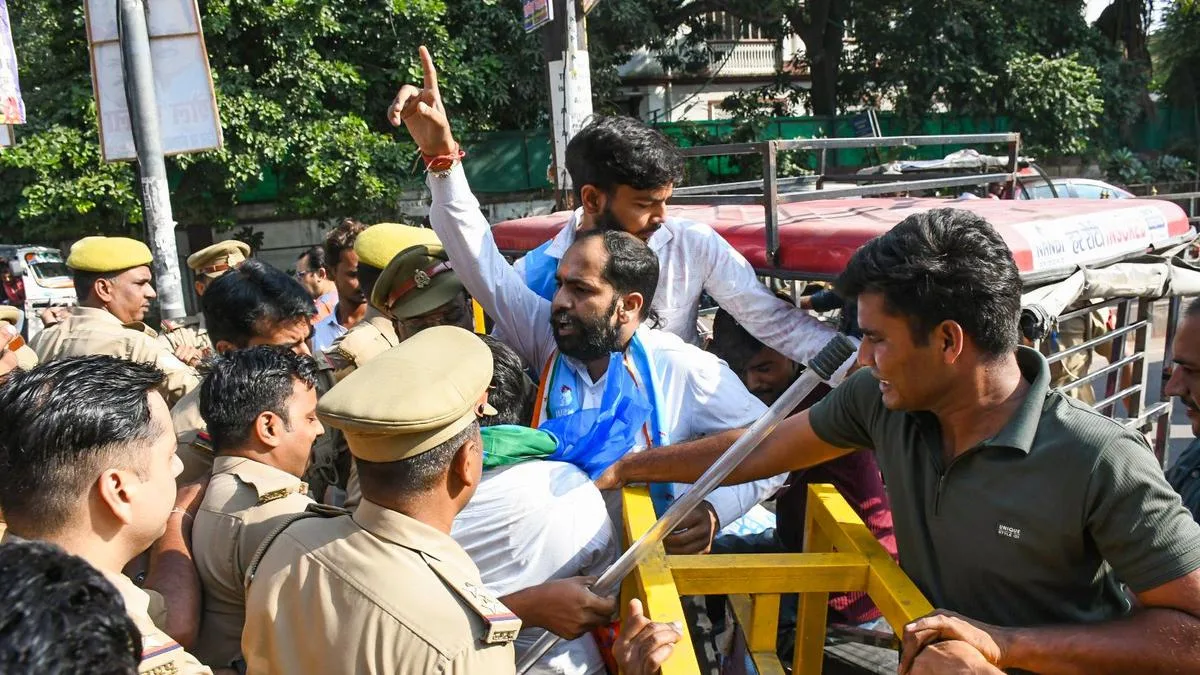
The Bombay High Court ruled that peaceful protests are a fundamental right.
Protesters' credentials and public inconvenience must be considered before police restrictions.
The court will hear further arguments regarding the legality of recent detentions on November 19, 2026.
On October 19, 2026, the Bombay High Court addressed the complex issue of peaceful protests, affirming that while such demonstrations are a fundamental right, the credentials of the protesters must be evaluated. This ruling emerged during a hearing involving petitions that claimed illegal detentions by police during recent protests against the Chief Election Commissioner in Mumbai.
The court, led by Chief Justice Mahesh Chandra Tripathi and Justice Advait Sethna, directed the Maharashtra government to respond to allegations of police misconduct. The petitions highlighted concerns over the treatment of individuals participating in peaceful protests, particularly those expressing solidarity with demonstrations in Delhi. A Public Interest Litigation (PIL) was filed by advocate Savar Devre, calling for an end to police detentions of peaceful demonstrators.
During the proceedings, advocate Gayatri Singh presented an application concerning four individuals detained after participating in a peaceful march. These individuals were reportedly held for a day, released, and then placed under house arrest. Additionally, senior advocate Mihir Desai submitted affidavits from two others who faced police action at their homes, underscoring the ongoing issues surrounding police conduct during protests.
The court acknowledged the right to protest but stressed the importance of considering the backgrounds of those involved. The justices noted that while everyone is entitled to peaceful agitation, it is crucial to ensure that individuals without criminal records participate. They expressed concern that individuals with criminal backgrounds might exploit the guise of peaceful protesters.
In a related matter, lawyers representing residents of Shivaji Park, where protests occurred, argued that a High Court order prohibits such demonstrations in that area. The court indicated that both the petitioners and the government must address these claims. The case is set for further examination on November 19, 2026, as the court continues to navigate the balance between civil rights and public safety.