Bangladesh Increases Garment Workers' Minimum Wage by 36% to 17,000 Taka
After extensive protests, Bangladesh has raised the minimum wage for garment workers to 17,000 Taka, addressing ongoing labor disputes.
Minimum wage for garment workers increased by 36% to 17,000 Taka.
Protests over low wages and living costs have disrupted production.
The garment industry is crucial, contributing around $38 billion annually to Bangladesh's economy.
In a significant development for labor rights, Bangladesh has announced a 36% increase in the minimum wage for garment workers, raising it to 17,000 Taka (approximately $139). This decision was made early Wednesday following a vote by the government-appointed wage board, which reflects the growing pressure from months of protests by workers demanding fair compensation.
The wage board chairman, Judge Syed Azad Subhani, confirmed that the majority favored the new minimum wage, which replaces the previous rate of 12,500 Taka. This adjustment comes in response to escalating unrest in Bangladesh's garment manufacturing sector, where workers have consistently voiced their dissatisfaction over inadequate pay amidst rising living costs, leading to widespread demonstrations.
Negotiations leading up to this wage increase intensified after factory owners proposed a 25% raise, which fell short of workers' demands for a monthly minimum of 22,000 Taka. Initially, workers had sought an increase to 30,000 Taka. Subhani noted that while discussions had progressed, labor representatives remained dissatisfied with the owners' proposals, highlighting the ongoing struggle for fair wages.
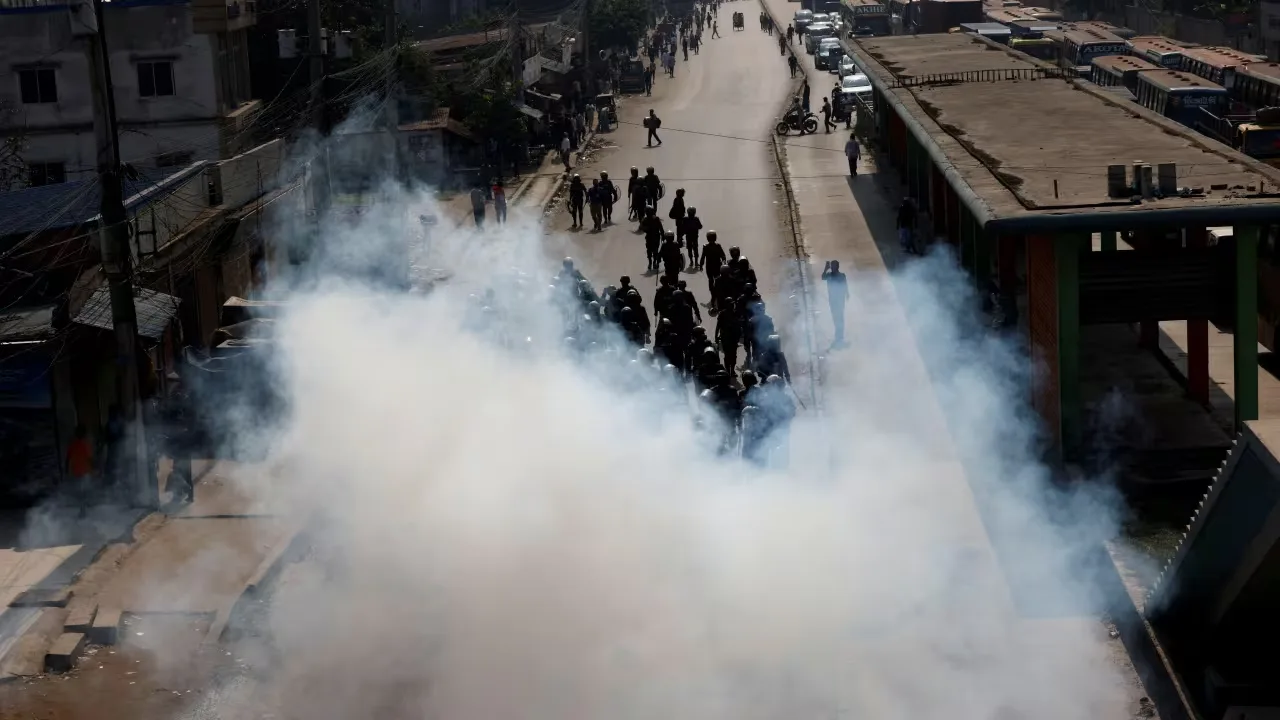
The protests have significantly impacted the garment industry, with workers blocking major highways and clashing with security forces in the industrial district of Gazipur. Strikes have also been reported at numerous factories, which are vital to the economy, as Bangladesh is the second-largest garment exporter globally. The Bangladesh Garment Manufacturers and Exporters Association (BGMEA) estimated that the protests have resulted in losses of approximately $428 million, with an additional $254 million in orders shifted to rival countries due to production halts.
Looking ahead, the garment sector, which generates around $38 billion annually and accounts for about 80% of the country's export earnings, will need to navigate the implications of these wage changes and ongoing labor unrest. Future negotiations and potential protests may shape the landscape of labor relations in Bangladesh's crucial garment industry.