Bangladesh Garment Workers Demand Wage Hike Amid Protests
Protests in Bangladesh's garment sector escalate as workers seek a minimum wage increase from 12,500 to 30,000 taka.

Workers demand a minimum wage of 30,000 taka, more than double the current rate.
Violent clashes have occurred in Dhaka and Gazipur, leading to police intervention.
The garment industry is crucial to Bangladesh's economy, accounting for over 80% of export earnings.
Protests have erupted in Bangladesh's garment industry, with workers demanding a significant increase in their minimum wage from 12,500 taka to 30,000 taka. The unrest began on Saturday and intensified on Sunday, particularly in industrial areas like Mirpur in Dhaka and Konabari in Gazipur. Reports indicate clashes, vandalism, and road blockades, prompting the deployment of police and Border Guard Bangladesh personnel to restore order.
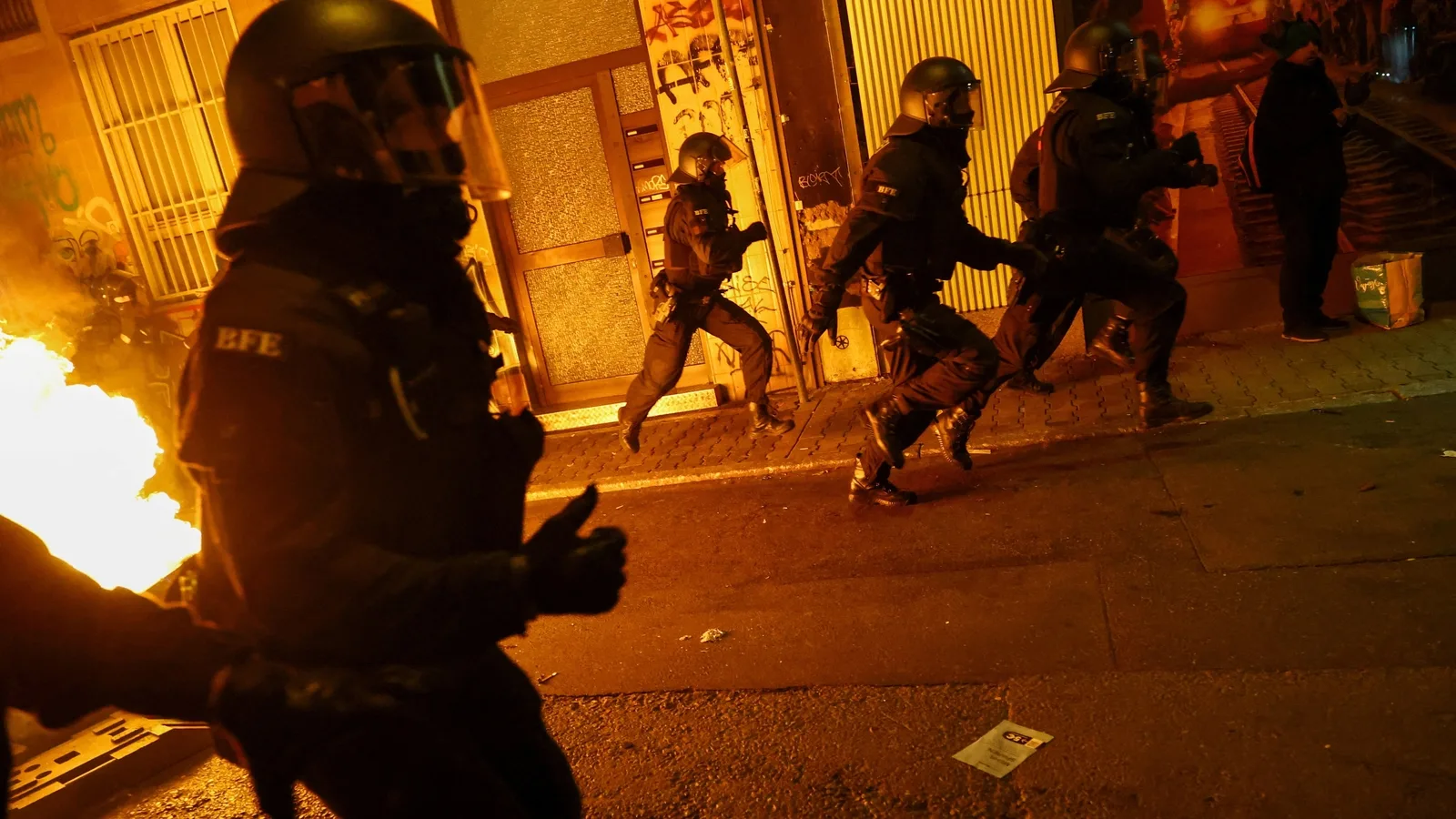
The protests have seen demonstrators vandalizing factories, attacking police outposts, and setting police vehicles ablaze. Major roads have been blocked with barricades, causing significant disruptions to transportation. In response to the escalating situation, law enforcement has utilized tear gas and sound grenades to disperse the crowds, while additional security forces have been stationed in the affected areas.
The workers' demands for a monthly minimum wage of 30,000 taka come in light of a recent government announcement regarding a new pay scale for public sector employees, which is expected to nearly double their salaries. Workers argue that they deserve a similar wage increase, citing the rising costs of living. However, factory owners contend that they are facing challenges due to declining orders, stagnant product prices, and increased costs of raw materials, making it difficult to meet the workers' demands.
In an effort to address the situation, the Bangladesh government has established a wage board tasked with determining a revised minimum wage for garment workers. Despite this initiative, protests have continued, highlighting the ongoing tensions within the industry. The garment sector, which has been a cornerstone of Bangladesh's economy since the late 1970s, represents over 80% of the country's export earnings and employs around four million individuals, with women comprising a significant portion of the workforce.
Looking ahead, the resolution of this wage dispute is critical not only for the workers but also for the stability of the garment industry, which plays a vital role in the national economy. As the government and stakeholders engage in discussions, the outcome will likely influence the future of labor relations and economic conditions in Bangladesh's garment sector.