Arab and Ultra-Orthodox Parties Poised to Influence Israel's Election
As Israel approaches its pivotal election on October 27, Arab-led and ultra-Orthodox parties may play a crucial role in determining the next government.
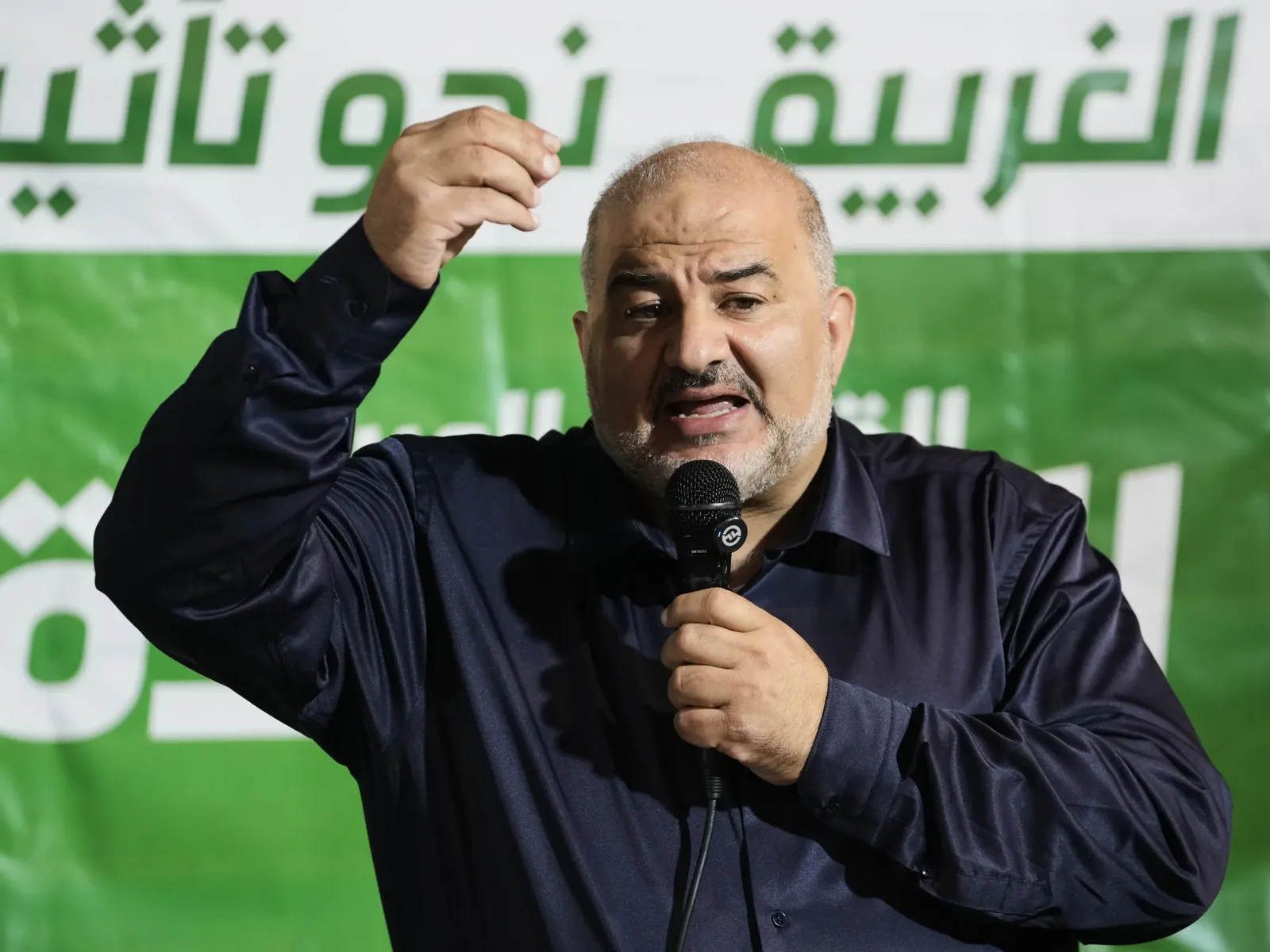
Arab parties Ra’am and the Joint List could secure 13 seats in the upcoming election.
Netanyahu's Likud party faces a tight race against the Zionist opposition bloc.
The ultra-Orthodox community, traditionally aligned with Likud, is experiencing political tensions.
As Israel gears up for its high-stakes election on October 27, the Arab-led parties, particularly Ra’am and the Joint List, are emerging as potential kingmakers. These parties represent the Palestinian citizens of Israel, who constitute about 20% of the population, and are projected to secure 13 seats in the Knesset. Their influence could be pivotal in shaping the next coalition government, regardless of the political landscape.
Historically, Ra’am made headlines in 2021 by becoming the first Arab party to join an Israeli government, briefly displacing Prime Minister Benjamin Netanyahu. This coalition, however, has since faced challenges, with Netanyahu and his allies dismissing any possibility of forming a government with Arab parties. The political climate has intensified, especially following the Hamas-led attacks on October 7, 2023, which have fueled right-wing narratives against Arab parties, portraying them as threats to national security.
Recent opinion polls indicate a competitive race between Netanyahu's Likud party and the Zionist opposition bloc, with neither side likely to achieve a clear majority in the 120-seat Knesset. Analysts suggest that Netanyahu may be willing to collaborate with Ra’am if it means retaining power. Yossi Mekelberg, a Middle East expert, noted that the opposition's attempts to undermine Arab parties could backfire, as they might need their support in a future coalition.
The implications of this election extend beyond party politics. The Arab parties have emphasized addressing issues such as violent crime in Palestinian communities and discriminatory government policies. Ra’am, distancing itself from its religious roots, has made strategic moves to appeal to a broader electorate, including the selection of a Jewish Zionist candidate for its electoral list.
Looking ahead, the election results could reshape Israel’s political landscape significantly. The ultra-Orthodox parties, historically aligned with Likud, are also facing scrutiny and dissent within their ranks, complicating the coalition-building process. As the election date approaches, the potential for Arab parties to influence the outcome remains a critical factor, with many voters hoping for a government that prioritizes their needs and concerns.