Air Chief Marshal Advocates Tailored Theaterisation for India
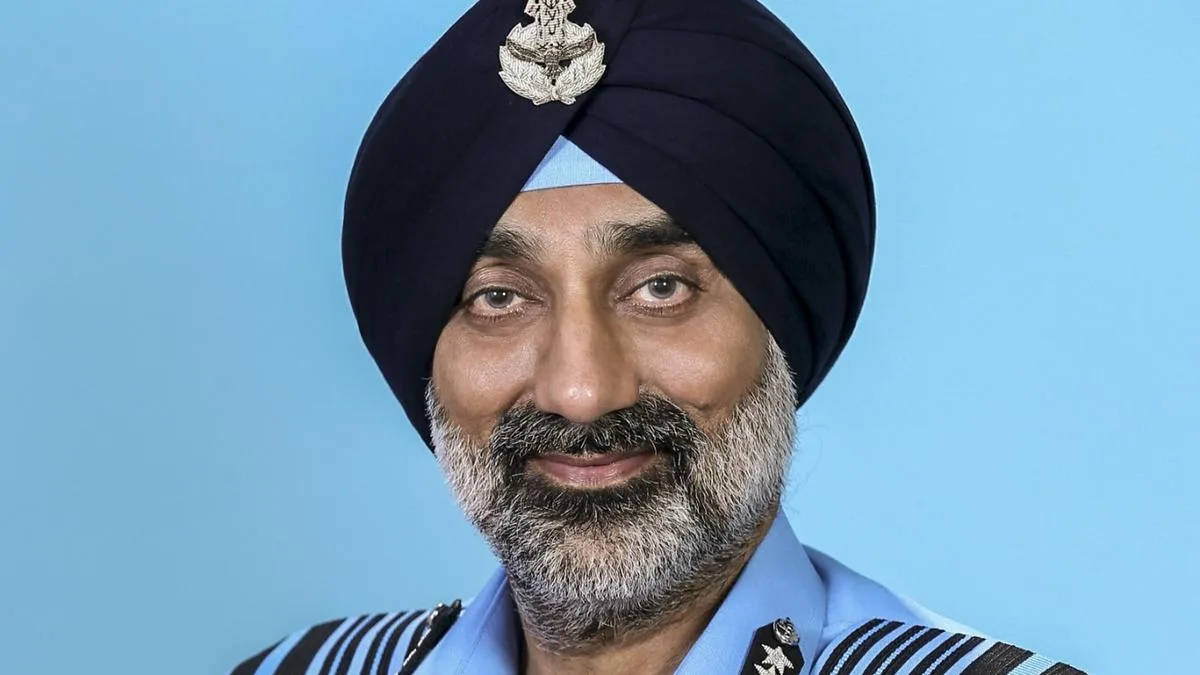
In a recent address, Air Chief Marshal A. P. Singh emphasizes the need for India's theaterisation plan to align with national security needs rather than foreign models.
The theaterisation plan aims to integrate the Indian Army, Navy, and Air Force for enhanced operational synergy.
Air Chief Marshal Singh stresses the importance of centralised control and decentralised execution in military operations.
Concerns remain regarding the division of fighter assets and the pace of implementing the theaterisation plan.
In a significant statement on October 25, 2026, Air Chief Marshal A. P. Singh articulated the Indian Air Force's stance on the theaterisation plan, emphasizing that it should be tailored to India's unique security requirements. He clarified that the IAF does not view this initiative as a means to permanently segregate fighter assets geographically but rather as a strategic framework that prioritizes operational readiness and adaptability.
The theaterisation plan, first announced in 2019, represents a major military reform aimed at integrating the three branches of the armed forces. The proposed structure includes three integrated commands: a Northern Theatre Command in Lucknow, a Western Theatre Command in Jaipur, and a Maritime Theatre Command in Thiruvananthapuram. However, progress has been hindered by differing opinions among the services regarding command structures, with the IAF expressing caution about hastily implementing the plan and concerns over the division of its fighter squadrons.
During an exclusive interview, Singh highlighted the necessity of a guiding principle of centralized control where needed, alongside decentralized execution for effective military operations. He pointed to recent global conflicts as evidence of how air power can decisively influence outcomes, underscoring the importance of how air resources are organized and utilized within an integrated military framework.
The implications of the theaterisation plan extend beyond military strategy; it aims to ensure that India's armed forces can respond effectively to emerging security challenges. Singh noted that future conflicts will likely be characterized by rapid, autonomous operations that require a flexible and responsive military structure. He emphasized that the design of future military frameworks must be based on India's specific security context rather than imitating foreign models.
Looking ahead, Air Chief Marshal Singh affirmed the IAF's commitment to collaborating closely with other services to develop a distinctly Indian military structure. He reiterated that the transformation process should occur in phases to maintain operational readiness, ensuring that the Indian military is prepared to face future conflicts as a unified force. The theaterisation model aims to create a cohesive command structure that optimally utilizes the capabilities of the Army, Navy, and Air Force to address security challenges effectively.