130 Million Voter Names Removed: Protests Erupt in India
Massive voter roll deletions spark nationwide protests as citizens demand accountability from the government.
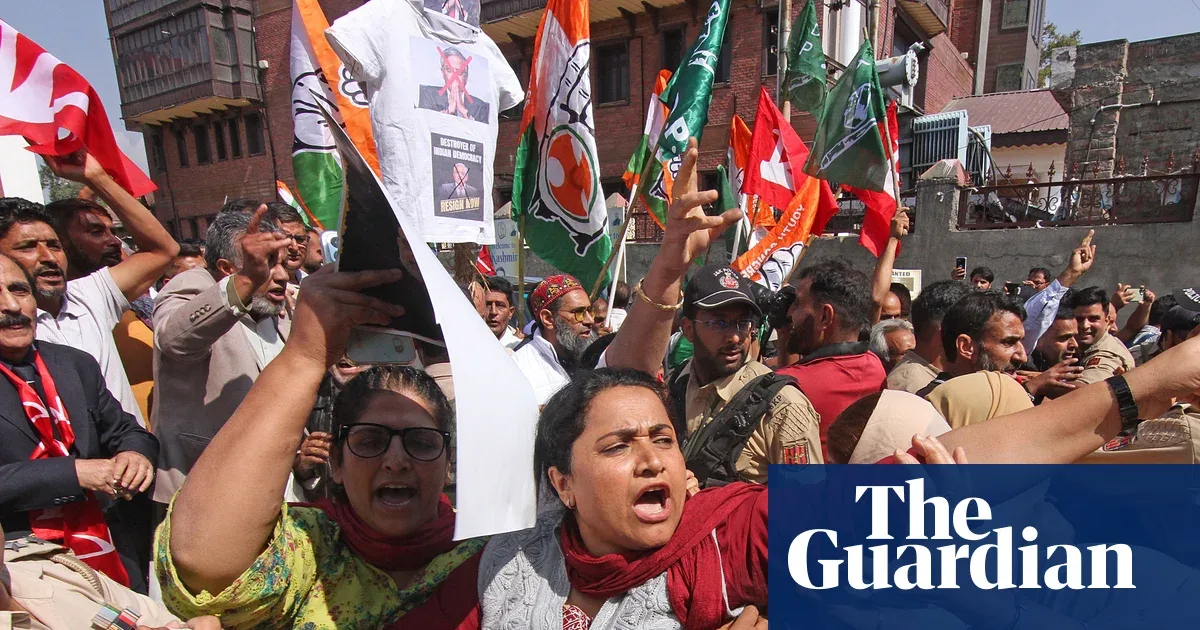
130 million names have been removed from India's electoral rolls since last year.
Critics allege the deletions disproportionately affect minorities and the poor.
Protests have intensified, with opposition parties demanding the resignation of the chief election commissioner.
In a shocking development, over 130 million names have been purged from India's electoral rolls, leading to widespread protests across the country. This unprecedented action, executed through a process known as Special Intensive Revision (SIR), has left many citizens, including Shahida Fakir from West Bengal, disenfranchised. Despite presenting valid documentation, including her birth certificate and family land records, Fakir found herself excluded from the final voter list released in April. Her situation reflects a broader crisis affecting millions of Indians.
The SIR process, which the Narendra Modi government defends as a necessary cleanup of the electoral rolls, has faced severe criticism. While officials claim that the revisions targeted deceased and duplicate entries, they have inadvertently disenfranchised many living citizens, particularly from marginalized communities. Critics argue that this initiative is a politically motivated effort to suppress votes from groups that do not typically support the ruling Bharatiya Janata Party (BJP).
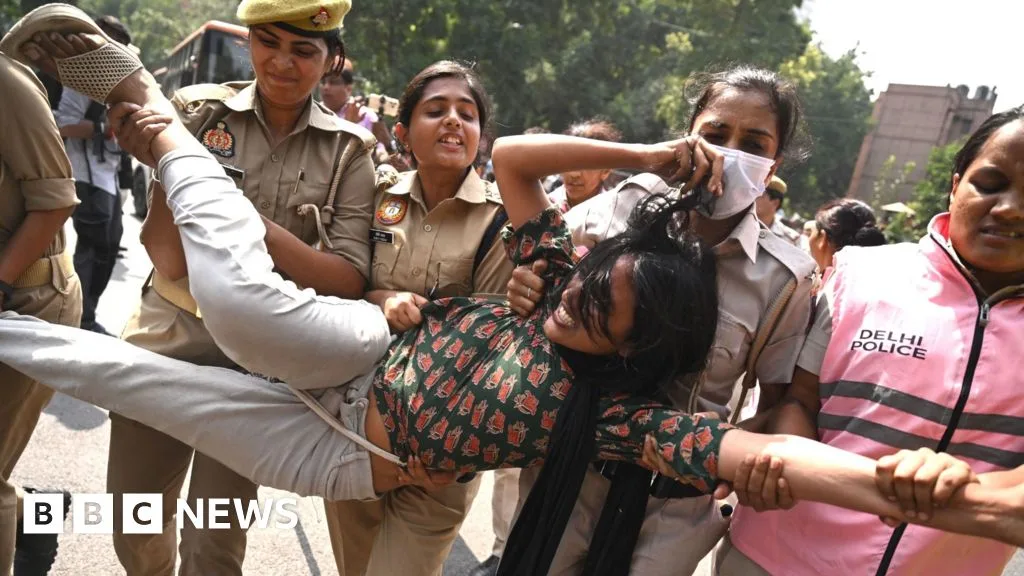
Nationwide protests erupted as citizens expressed their outrage over the SIR process, with significant demonstrations occurring in major cities like Delhi. Thousands of protesters, led by youth movements and opposition parties, have called for the resignation of Chief Election Commissioner Gyanesh Kumar, who oversaw the SIR. The opposition has labeled the deletions as a “weapon for vote theft,” further fueling the unrest.
The implications of the SIR process extend beyond immediate disenfranchisement. Many fear that the revisions have given the BJP an electoral edge in key states, including Bihar and West Bengal. Reports indicate that the election commission's unilateral decisions have effectively made it the arbiter of citizenship, raising alarms about potential human rights violations. In West Bengal, where the BJP has recently gained power, there are reports of increased scrutiny and targeting of those excluded from the voter rolls, particularly Muslims.
As protests continue, the future of the SIR process remains uncertain. With a backlog of cases challenging voter exclusions, it may take years for individuals like Fakir to have their grievances addressed. The Supreme Court has been petitioned to intervene, but the road ahead appears fraught with challenges. Citizens are left grappling with the fear of being labeled as illegal immigrants in their own country, as the government faces mounting pressure to restore faith in India's electoral integrity.