New Method for Measuring DNA-Bound Phosphorus in Soil
A groundbreaking technique simplifies the measurement of DNA-bound phosphorus, enhancing understanding of soil microbes' role in nutrient cycling.
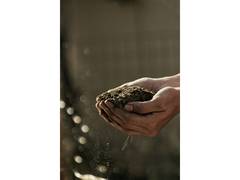
Scientists have developed a cost-effective method to measure DNA-bound phosphorus in soil.
The new technique eliminates unnecessary steps while maintaining measurement accuracy.
Understanding DNA-P can improve nutrient management and sustainable agriculture.
On September 27, 2023, researchers announced a novel method for measuring DNA-bound phosphorus (DNA-P) in soil, which could significantly enhance our understanding of how soil microbes contribute to nutrient cycling. This innovative approach, developed by an international team including experts from Sultan Qaboos University and the James Hutton Institute, aims to provide clearer insights into the recycling of phosphorus, a crucial nutrient for plant growth.
Phosphorus is vital for agricultural productivity, yet its natural reserves are limited. The ability to accurately measure how this nutrient is stored and transformed in the soil is essential for maintaining fertile farmland. The study, published in the Journal of Agricultural and Marine Sciences, emphasizes the importance of DNA-P, which is linked to living microorganisms and represents a portion of the organic phosphorus pool.
The research team refined an existing laboratory procedure, applying it to 32 different soil types from the United Kingdom. They found that the new method not only reduced costs but also simplified the measurement process without sacrificing precision. A key improvement was the removal of enzyme treatments previously deemed necessary, which the researchers determined were not required for accurate results. However, ultrafiltration remained a critical step to ensure the separation of DNA-P from other phosphorus compounds.
The findings revealed that while DNA-P constituted a small fraction of the total organic phosphorus, its concentration correlated strongly with various soil characteristics, such as pH and microbial biomass phosphorus. This suggests that DNA-P is more closely linked to active soil microorganisms than to stable phosphorus reserves, providing a valuable perspective on the dynamic phosphorus cycle in soil.
The implications of this research are significant, particularly as the agricultural sector faces increasing pressure to utilize phosphorus resources more efficiently. The improved technique could facilitate further studies on soil fertility and nutrient management, ultimately contributing to more sustainable food production practices.