NASA's Swift Telescope Rescue Mission Fails as Link Spacecraft Burns Up
The Link spacecraft, aimed at saving NASA's Swift telescope, disintegrated during reentry after technical failures halted its mission.
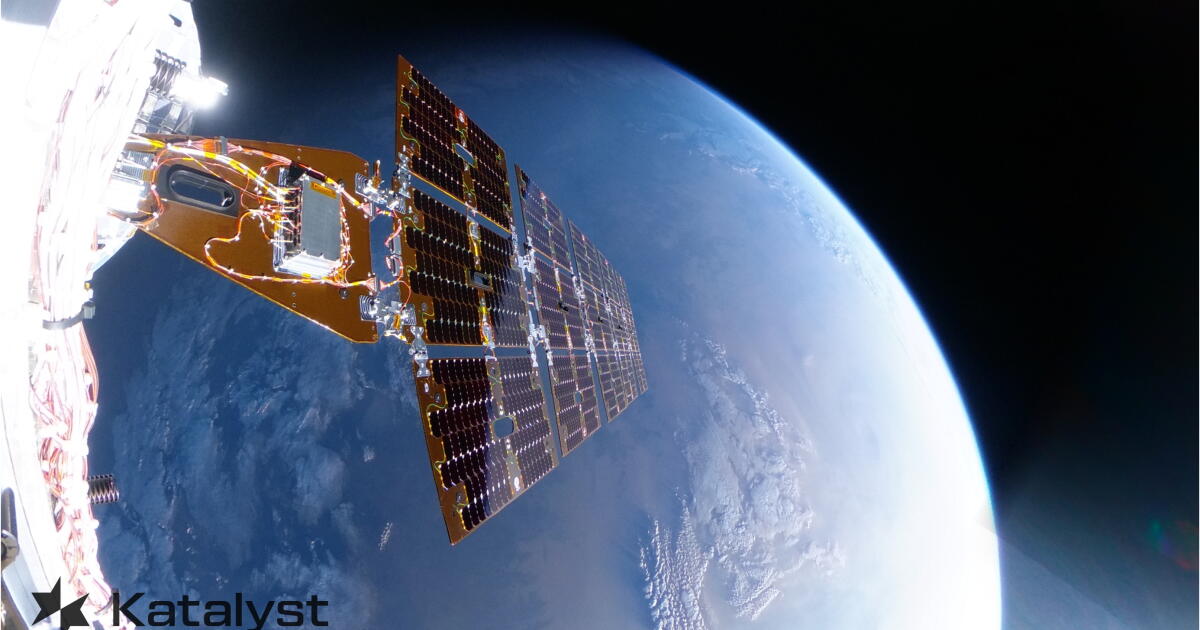
Link spacecraft burned up after failing to rescue the Swift telescope.
NASA is now seeking alternatives to continue Swift's observational role.
The mission provided valuable lessons for future satellite recovery efforts.
In a disappointing turn of events, the Link spacecraft, designed to rescue NASA's aging Swift telescope, burned up upon reentering Earth's atmosphere late Friday. Launched just three months prior, this $30 million mission faced insurmountable technical challenges that ultimately led to its failure to boost the telescope's orbit before it began to decay.
Katalyst Space Technologies, the company behind Link, confirmed the spacecraft's demise, marking the end of a bold attempt to salvage the Swift Observatory. The Swift telescope, which has been operational since 2004, is expected to lose its orbit by early November, prompting NASA to seek alternative solutions to maintain its critical role in monitoring gamma-ray bursts and other cosmic phenomena.
Initially launched on July 3, Link encountered significant electronic issues shortly after takeoff, including the failure of two of its three reaction wheels, which are essential for maneuvering. A malfunctioning valve further complicated matters, causing the spacecraft to spin uncontrollably and disrupt communication with ground control. Although engineers regained partial control, Link ultimately lacked the fuel necessary to complete its mission, leading to the decision to abandon the rescue effort in August.
Despite the mission's failure, NASA officials, including Shawn Domagal-Goldman, emphasized the importance of the experience gained. The endeavor was viewed as a valuable exercise in preparation for future satellite recovery missions, showcasing the challenges and urgency involved in such operations. Katalyst's CEO, Ghonhee Lee, expressed optimism about applying the lessons learned to future projects, stating that the experience serves as a foundation for future satellite recovery efforts.
As Swift continues its observations in the limited time remaining, NASA faces the pressing challenge of filling the observational gap left by the telescope's eventual demise. The agency is actively exploring options to ensure that the capabilities provided by Swift are not lost, as the observatory has been a crucial asset in the study of rapid cosmic events. The outcome of this mission underscores the complexities of space operations and the need for continued innovation in satellite technology.