NASA Rover Reveals Mars Rock's Hidden Volcanic Origins
New findings indicate that a Martian rock thought to be lake sediment is primarily volcanic in nature, reshaping our understanding of Mars' watery past.
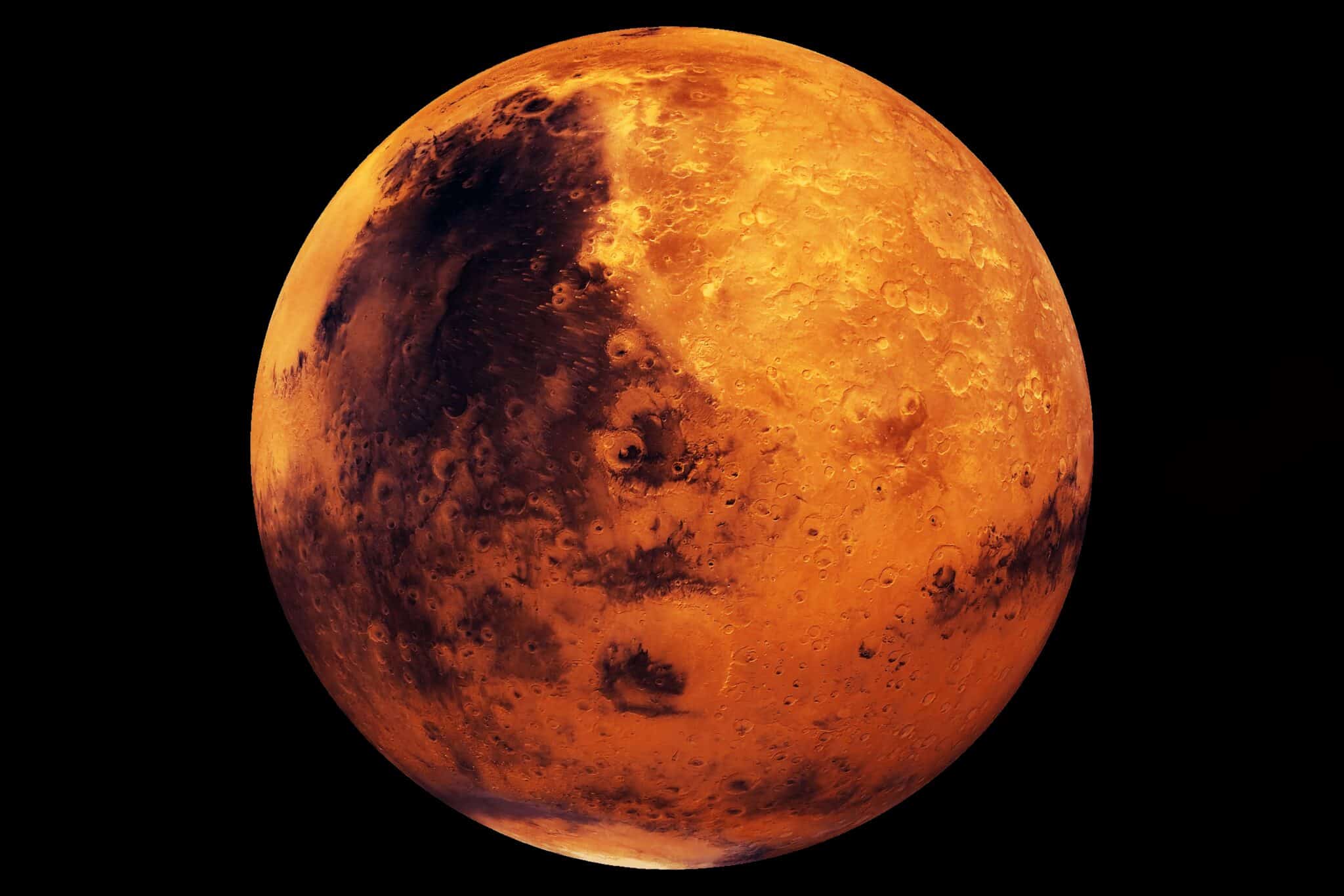
Mars rock previously believed to be lake sediment is mostly volcanic material.
Evidence shows three distinct episodes of water interaction with the rock.
The findings enhance the potential for discovering ancient life signs on Mars.
NASA's Perseverance rover has uncovered surprising new information about a Martian rock formation once thought to be ancient lake sediment. Located in Jezero Crater, the rock, known as the 'Margin unit,' has been revealed to be primarily solidified volcanic material rather than sediment from a lakeshore. This discovery was made as the rover explored the crater, which is about 45 kilometers wide and believed to have once contained a lake.
The Margin unit was initially considered a prime location for searching for signs of ancient life due to its perceived history as a lakeshore. However, recent analyses published in the journal Communications Earth & Environment indicate that the rock is largely composed of volcanic material that cooled slowly from magma. This volcanic origin suggests a more complex geological history than previously understood, with water interacting with the rock in three separate episodes, each leaving distinct mineral signatures.
Using its SuperCam instrument, the Perseverance rover examined over 185 rock targets across the Margin unit. The findings showed that the rock at higher elevations exhibited characteristics of slow cooling from magma, while lower areas displayed signs of alteration from water. The team identified that fluids, which were not overly acidic, moved through the rock, leaving behind carbonate minerals and other chemical traces. This layered history of water interaction enhances the scientific value of the Margin unit in the search for ancient life on Mars.
The implications of this discovery extend beyond the Margin unit itself. The research suggests that the presence of multiple water episodes could trap and preserve chemical evidence of past life, making this area a significant site for astrobiological research. The study also raises questions about the geological differences observed in nearby rock formations, such as the Séitah formation, which showed less alteration despite being in a similar location.
Looking ahead, the Perseverance rover continues to collect samples from the Margin unit, including three core samples named Pelican Point, Lefroy Bay, and Comet Geyser. These samples may eventually be returned to Earth for further analysis, potentially providing deeper insights into Mars' ancient environments and the possibility of life beyond our planet.