Juice Spacecraft Executes Gravity Assist Maneuver Near Earth
The European Space Agency's Juice probe successfully performed a gravity assist maneuver today, altering its trajectory towards Jupiter's moons.
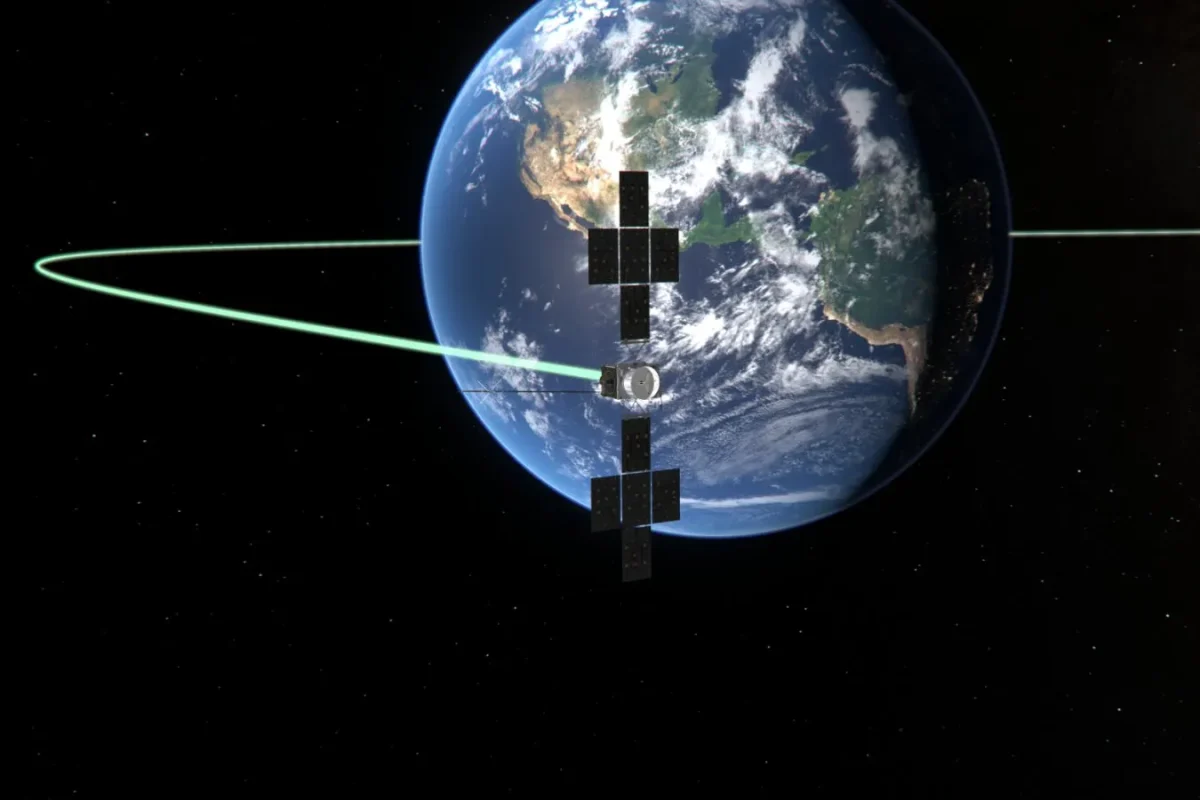
Juice made its closest approach to Earth on September 28, 2026, at 2:45 PM Kyiv time.
The maneuver increased its speed by 3.5 km/s and changed its trajectory by 20 degrees.
The probe's scientific instruments are actively collecting data about Earth and the Moon during its flyby.
The European Space Agency's Juice spacecraft made a significant close approach to Earth on September 28, 2026, at 2:45 PM Kyiv time, coming within 8,640 kilometers of the planet. This maneuver was part of a gravity assist strategy that allowed the probe to alter its speed and direction with minimal fuel expenditure. The successful execution of this maneuver places Juice on a new, elongated orbit around the Sun, setting the stage for a future flyby of Earth before it continues its journey to Jupiter.
Prior to this event, the Juice spacecraft's navigation campaign began on August 17, with a series of planned trajectory corrections. Only one correction was necessary, demonstrating the precision required for the gravity assist. The spacecraft's trajectory was carefully calculated to ensure that even a minor error would not derail its mission to Jupiter. The probe's approach over the Indian Ocean was visible to amateur astronomers equipped with telescopes or binoculars, adding a layer of public engagement to this scientific endeavor.
During the gravity assist, the Juice spacecraft's trajectory was deflected by approximately 20 degrees, and its speed increased by about 3.5 kilometers per second. This maneuver is crucial for the probe's long-term mission, allowing it to conserve fuel while still making significant adjustments to its path. The ESA has opted for a more economical route compared to other missions, such as NASA's Europa Clipper, which requires a more powerful rocket and additional fuel for braking.
The implications of this maneuver extend beyond just the spacecraft's trajectory. As Juice travels through Earth's magnetotail, it will gather valuable data on the planet's magnetosphere, which can be compared with findings from other missions. The onboard scientific instruments are operational, collecting data about Earth and the Moon, which will aid in calibrating the instruments for future observations near Jupiter.
Looking ahead, Juice is scheduled for another close approach in January 2029, with its final destination being Jupiter in July 2031. The mission aims to study the icy moons of Jupiter, including Ganymede, and the spacecraft is designed to have enough fuel remaining for orbital insertion around the gas giant. This strategic planning highlights the importance of gravity assists in interplanetary missions, allowing for efficient travel across vast distances in space.