Colossal Biosciences Targets 2030s for Mammoth-like Elephants
A biotechnology firm aims to recreate mammoth traits in elephants using advanced genetic techniques by the 2030s.
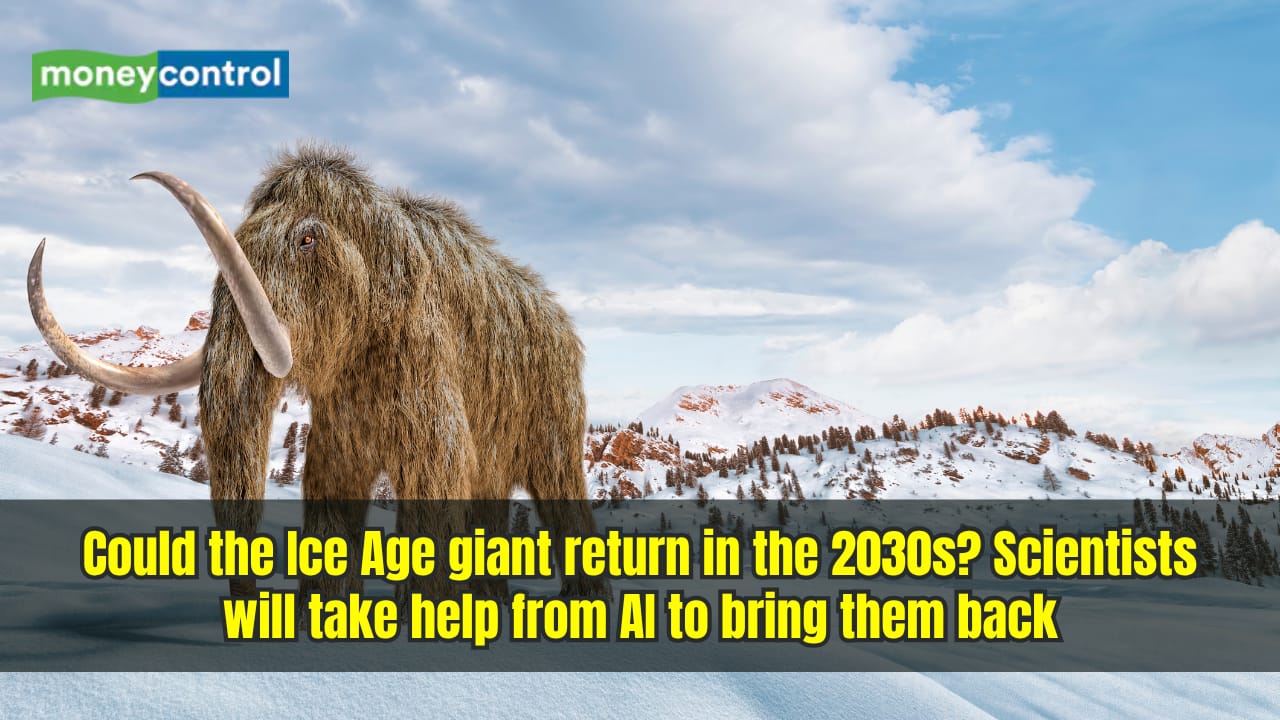
Colossal Biosciences is working to introduce mammoth-like traits into Asian elephants.
AI will assist in analyzing genetic data to identify relevant DNA changes.
The project timeline has shifted to the 2030s due to scientific challenges.
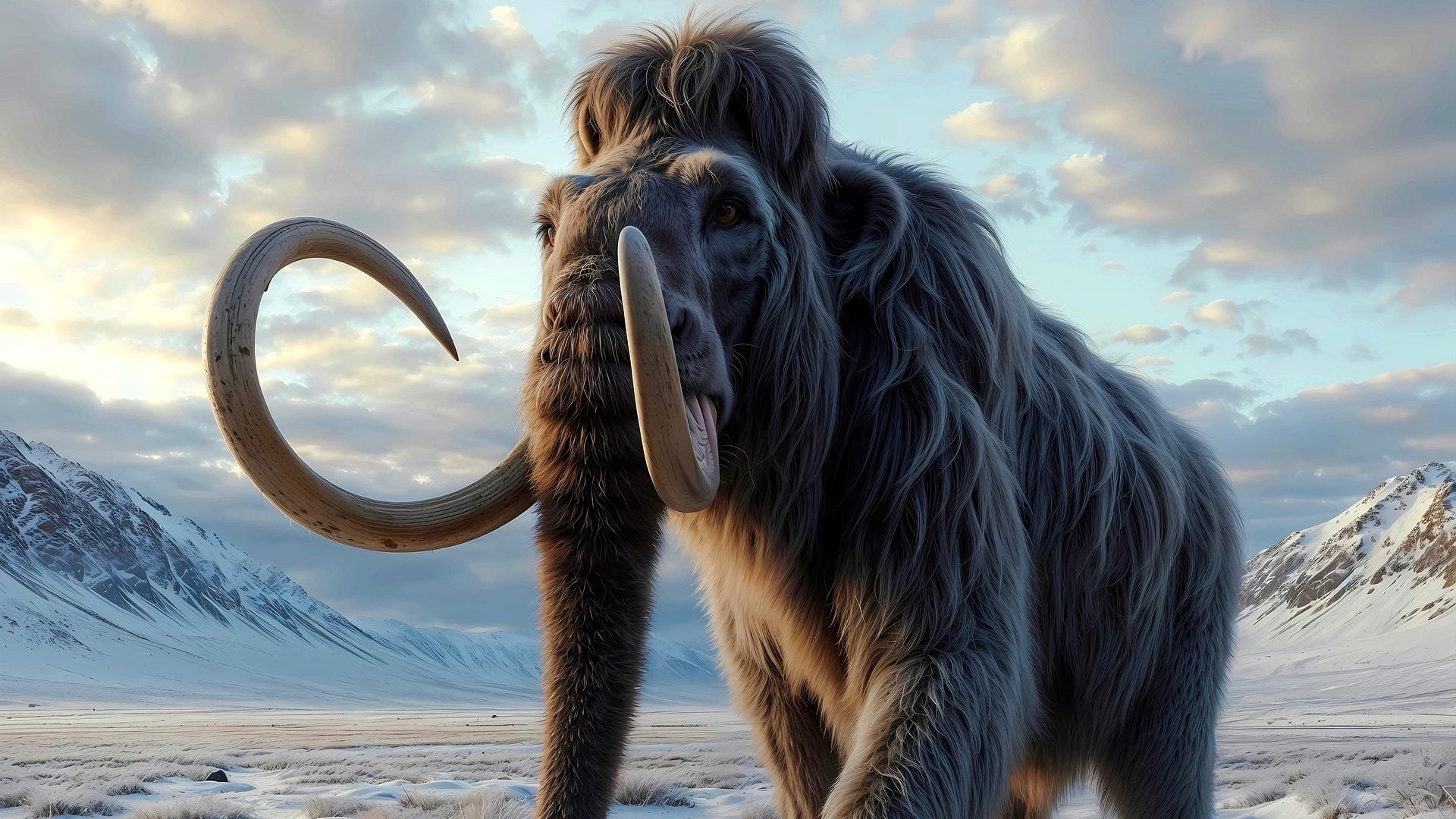
Colossal Biosciences, a biotechnology company, is embarking on an ambitious project to recreate certain characteristics of the woolly mammoth in living elephants. This initiative aims to produce a cold-adapted elephant by incorporating specific genetic traits associated with the extinct species. The project has garnered significant attention as it seeks to bring an Ice Age creature back into the modern ecosystem, although the goal is not to create an exact replica of the woolly mammoth.
Woolly mammoths once thrived in the cold climates of the Northern Hemisphere, equipped with thick fur and layers of fat that allowed them to endure harsh conditions. Colossal's objective is to replicate some of these adaptations in the Asian elephant, which is the closest living relative of the mammoth. The company also connects its work to broader conservation efforts, exploring the potential for restoring ecological functions that have been lost with the extinction of these animals.
To aid in this endeavor, artificial intelligence (AI) and computational tools will be employed to analyze genetic information. Researchers will compare DNA from preserved mammoth remains with that of contemporary elephants to pinpoint genetic variations that may contribute to cold adaptation. While AI plays a crucial role in this research, gene editing and reproductive technologies will also be necessary to develop an elephant that embodies the selected mammoth-like traits.
It is important to note that the resulting animal will not be a genetically identical woolly mammoth. Instead, the aim is to create an elephant that exhibits certain features reminiscent of the extinct species. This distinction is vital, as the original mammoth's complete biological system cannot be fully reconstructed due to its extinction thousands of years ago. The project faces numerous scientific hurdles, including challenges related to embryo development, elephant reproduction, and ensuring animal welfare throughout the process.
Initially, Colossal Biosciences had set a goal to produce mammoth-like calves by 2028. However, recent updates indicate that the timeline may now extend into the 2030s. Creating a viable animal involves more than just identifying genetic differences; researchers must navigate the complexities of genetic engineering, development, and reproduction. While the project remains a bold scientific undertaking, the possibility of mammoth-like elephants walking the Earth again hinges on overcoming these significant challenges.