PM Modi Marks 10 Years Since Surgical Strikes with Strong Warning to Pakistan
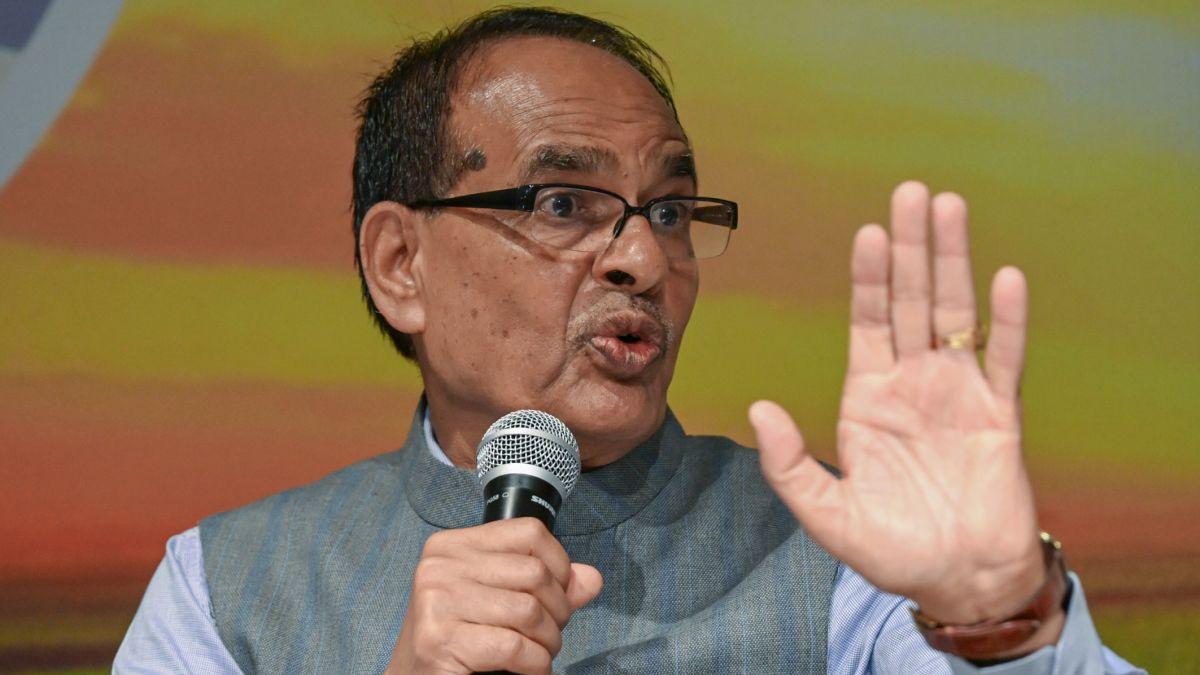
In a recent address, PM Modi emphasized India's zero-tolerance policy towards terrorism, highlighting significant military responses over the past decade.
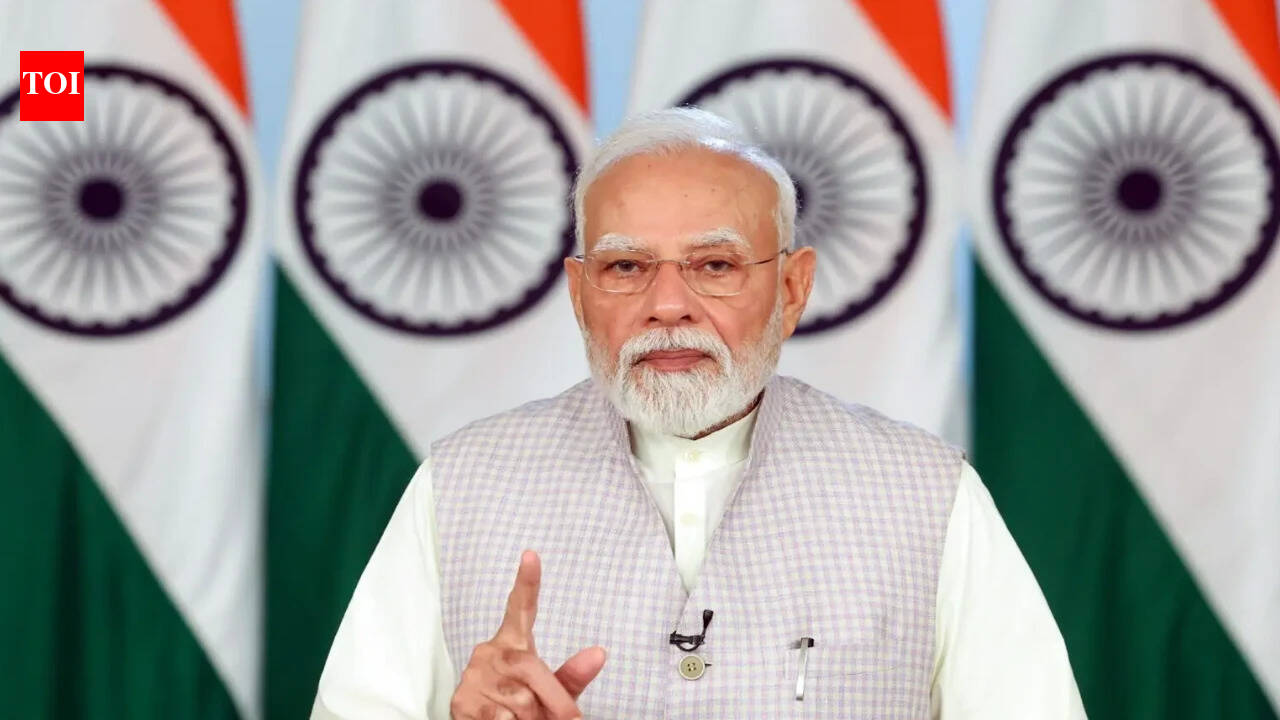
PM Modi asserts that Pakistan's sponsorship of terrorism will no longer go unpunished.
The address coincides with the 10th anniversary of India's surgical strikes in 2016.
Modi contrasts current government actions with previous administrations' responses to terror.
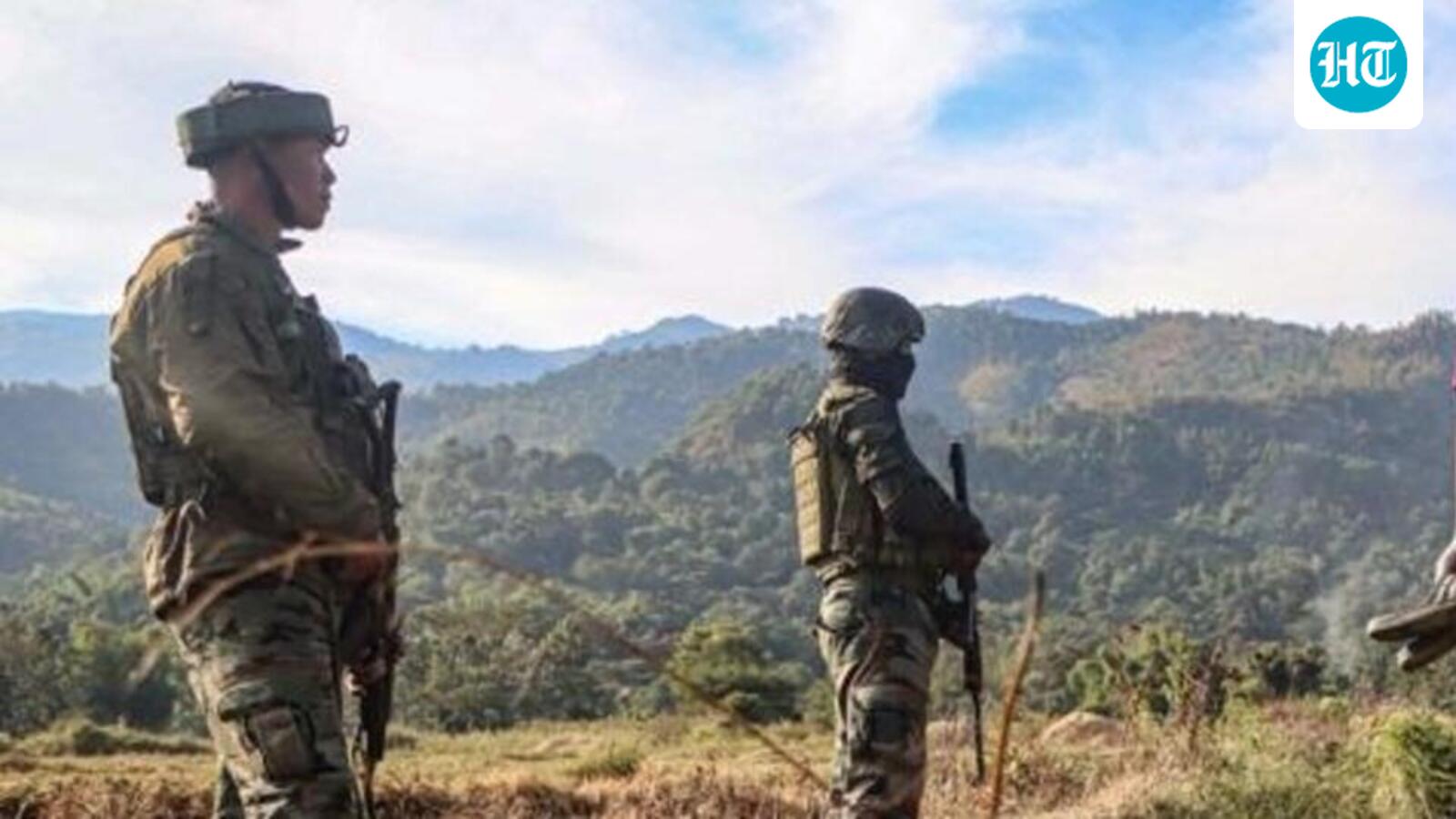
In a powerful address during his 'Mann ki Baat' broadcast, Prime Minister Narendra Modi delivered a stern warning to Pakistan regarding its history of sponsoring terrorism against India. He stated that the era of unpunished terror activities is over, emphasizing that India has taken decisive military actions, including Operation Sindoor, to respond to terrorist threats. This message comes as India commemorates the 10th anniversary of the surgical strikes conducted on September 28-29, 2016, which targeted terror hideouts in Pakistan.
Modi reflected on the surgical strikes, noting the global astonishment at the bravery of Indian soldiers who crossed the Line of Control to execute the operation. He described the strikes as a pivotal moment in India's counter-terrorism strategy, marking a shift towards a more aggressive stance against terrorism. "It was our decisive response to long-standing pain India had endured," he remarked, highlighting the need for a robust approach to national security.
The Prime Minister contrasted the current government's proactive measures with the previous Congress-led administration, which he claimed allowed terrorism to proliferate in India. He recalled the serial blasts in Delhi in 2008 and the subsequent Mumbai attacks, stating that demands for action were often ignored back then. Modi asserted that under his leadership, India has adopted a zero-tolerance policy towards terrorism, which has yielded significant results in enhancing national security.
During Operation Sindoor, the government also introduced a stringent national security doctrine, declaring that any future terrorist attack would be regarded as an act of war. This policy aims to eliminate the distinction between terrorists and their state sponsors, reinforcing India's commitment to defending itself against terror threats. Modi's remarks come at a time when Pakistan is attempting to reshape its image regarding terrorism, as evidenced by Prime Minister Shehbaz Sharif's recent statements at the United Nations General Assembly.
Looking ahead, India remains steadfast in its commitment to counter-terrorism. Foreign Minister S. Jaishankar's recent comments at the UNGA labeled Pakistan as a "serial practitioner of terrorism," reaffirming India's right to defend itself. As the nation continues to navigate the complex landscape of regional security, the government is expected to maintain its rigorous stance against any threats to its sovereignty.