Tigress Travels 150 km from Umred to Pench Reserve
A young tigress's journey across Maharashtra highlights the importance of wildlife corridors.
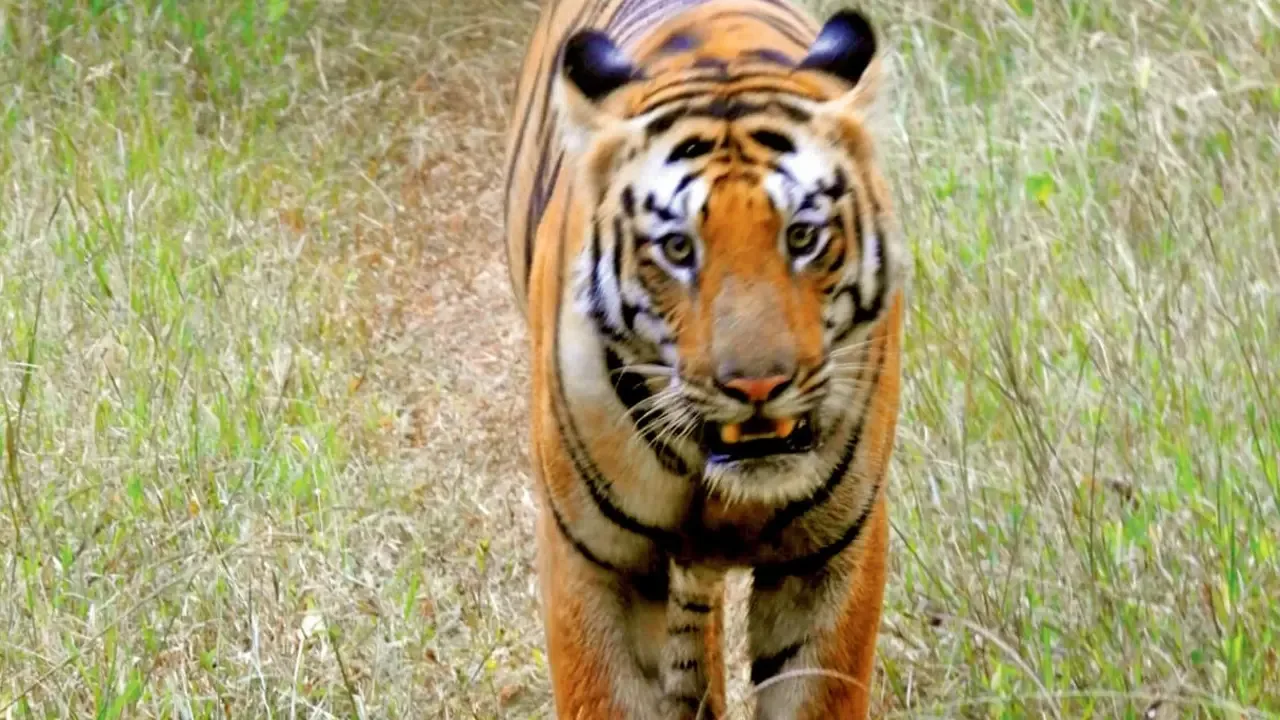
A 3.5-year-old tigress traveled approximately 150 km from Umred to Pench Tiger Reserve.
This movement indicates potential connectivity of wildlife corridors in eastern Maharashtra.
Forest officials view this as a positive sign for tiger dispersal in the region.
In a remarkable display of wildlife movement, a 3.5-year-old tigress has traversed an estimated distance of 150 kilometers, journeying from the Umred-Pauni-Karhandla Wildlife Sanctuary to the Pench Tiger Reserve in Nagpur district. This significant trek, which spans across the forests and intervening landscapes of eastern Maharashtra, has been observed by forest officials, who are optimistic about the implications for tiger dispersal and ecological connectivity.
The tigress's journey began in the Umred-Pauni-Karhandla Wildlife Sanctuary, located in the Nagpur and Bhandara districts. It is believed that she was exploring the area in search of a suitable territory. The sighting of this sub-adult big cat near Chorbahuli Gate in Pench on October 29 has raised hopes among conservationists that the forests in the region may still be interconnected enough to facilitate the movement of tigers.
Akshay Gajbhiye, the deputy director of Pench Tiger Reserve, confirmed the sighting and noted that this tigress is the last cub of tigress F2 from Gothangaon in the Umred sanctuary. The movement of this young tigress is seen as a positive indicator of natural tiger dispersal, which is crucial for maintaining genetic diversity and ensuring the long-term survival of the species in the wild.
The implications of this tigress's journey extend beyond just her individual movement. It underscores the importance of preserving ecological corridors that allow wildlife to migrate and establish new territories. Such corridors are vital for the health of ecosystems and the survival of various species, including tigers, which are apex predators and play a crucial role in maintaining the balance of their habitats.
Looking ahead, conservationists and forest officials are likely to monitor the tigress's movements closely to gather more data on her behavior and the potential for future tiger dispersal in the region. This incident serves as a reminder of the ongoing efforts needed to protect and enhance wildlife corridors, ensuring that tigers and other wildlife can thrive in their natural habitats.