Thackeray Cousins Demand Resignation of CEC Gyanesh Kumar in Mumbai March
Uddhav and Raj Thackeray led a significant protest in Mumbai, calling for the resignation of the Chief Election Commissioner and the scrapping of the Special Intensive Revision of electoral rolls.
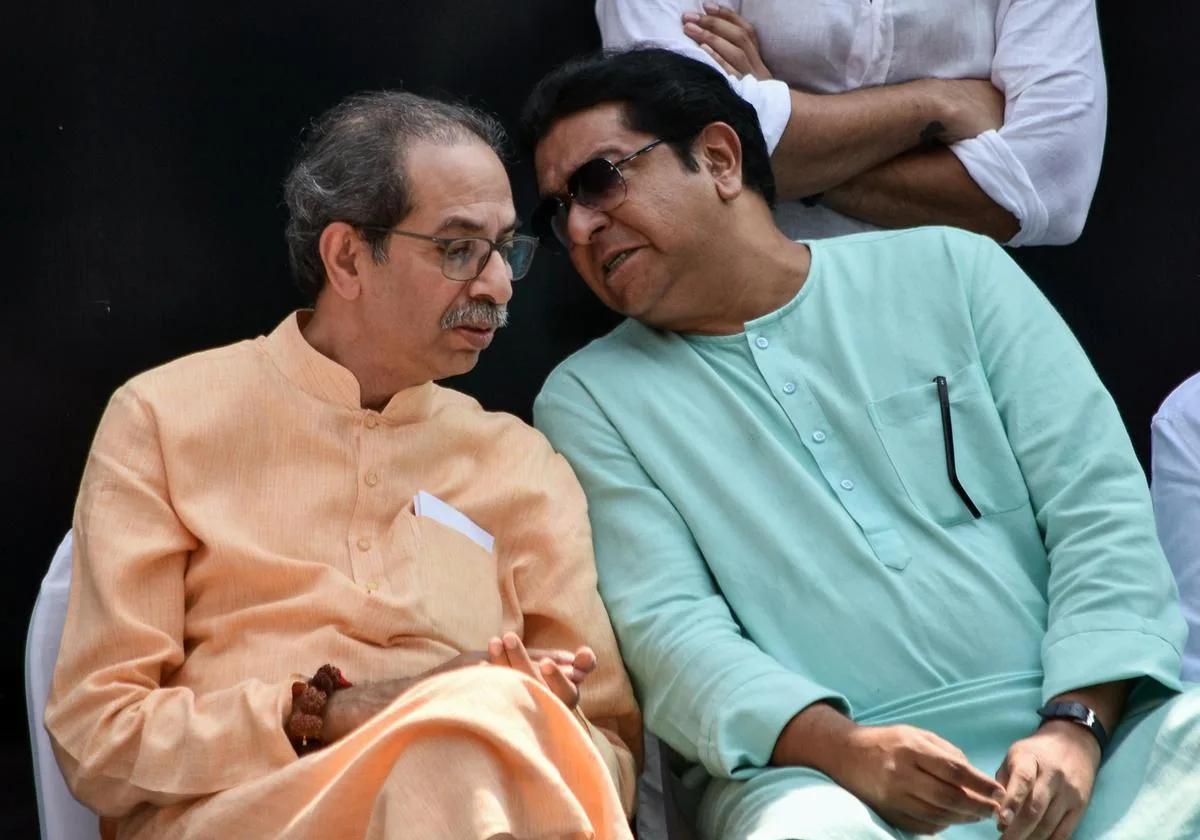
The Thackeray cousins led a march with around 6,000 protesters demanding electoral reforms.
Uddhav Thackeray criticized the centralization of voter verification powers and questioned the legitimacy of the CEC's decisions.
Raj Thackeray called for the replacement of EVMs with ballot papers, citing legal grounds for the revision of voter rolls.
On October 4, 2026, Uddhav and Raj Thackeray spearheaded a large-scale protest in Mumbai, demanding the resignation of Chief Election Commissioner Gyanesh Kumar and the abolition of the Special Intensive Revision (SIR) of electoral rolls. The march commenced at Metro Cinema and concluded at the Brihanmumbai Municipal Corporation (BMC) headquarters, gathering approximately 6,000 participants, including members from the Congress and NCP parties. Despite the police's warning of legal action against the organizers for not securing permission for the assembly, the protest proceeded, reflecting growing discontent with the Election Commission's practices.
The backdrop of this protest lies in the ongoing criticism from opposition parties regarding the Election Commission's handling of voter rolls. Uddhav Thackeray emphasized that the authority to verify voters should not be centralized under the CEC but should rest with local election officials. He referred to a letter from S. Chockalingam, the election officer in Maharashtra, which indicated a shift in decision-making power to Gyanesh Kumar. Thackeray questioned Kumar's authority, stating, "Who is he to decide this?" He further accused the ruling party of using Kumar as a tool to undermine the voting rights of citizens.
During the protest, Uddhav Thackeray articulated concerns over the removal of approximately 2 crore names from the electoral rolls in Maharashtra, equating this to disenfranchisement. He highlighted that similar issues were observed in other states like Tamil Nadu and West Bengal, questioning the implications for upcoming by-elections. Raj Thackeray echoed these sentiments, demanding Kumar's resignation and advocating for a return to traditional ballot papers instead of electronic voting machines (EVMs). He argued that the current revision process lacked legal justification and raised concerns over the potential disenfranchisement of voters.
The implications of this protest extend beyond the immediate demands for electoral reform. The Thackeray cousins' actions signify a broader challenge to the ruling party's governance and electoral integrity. As farmers' distress was also highlighted during the march, Uddhav Thackeray pointed out the dire conditions faced by agricultural communities, further emphasizing the need for governmental accountability. The protest reflects a growing sentiment among opposition parties and citizens alike regarding the perceived erosion of democratic processes.
Looking ahead, the Thackeray cousins' call for action may lead to further mobilization among opposition parties, potentially influencing upcoming elections. The Election Commission's response to these demands and the ongoing legal scrutiny surrounding the SIR will be critical in shaping the political landscape in Maharashtra. As the situation develops, the focus will remain on how these protests impact voter sentiment and electoral participation in the state.