Pune Sugar Mills Exhibit Disparity in Ethanol Supply for 2025-26
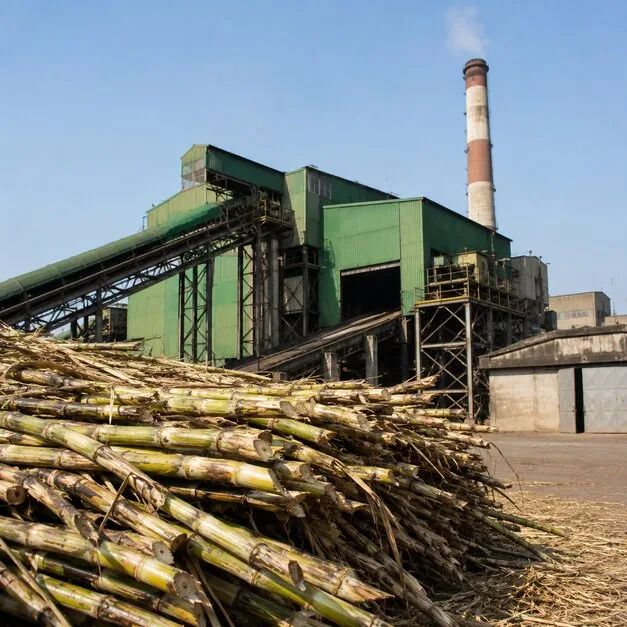
Pune's sugar factories show a stark contrast in ethanol supply performance against their allocated quotas for the ethanol supply year 2025-26.
Nira-Bhima Cooperative leads with 99% of its ethanol quota fulfilled.
Bhimashankar Cooperative lagged significantly, supplying only 12.9% of its quota.
Ethanol production is crucial for sugar mills amid government policies promoting higher ethanol blending.
In Pune district, sugar factories are demonstrating a significant disparity in their ethanol supply capabilities compared to the quotas assigned for the ethanol supply year (ESY) 2025-26. As of August 2026, while some mills have successfully supplied nearly all their allocated amounts, others have fallen drastically short, raising concerns about the underlying factors affecting these variances.
The Nira-Bhima Cooperative Sugar Factory has emerged as a frontrunner, supplying 8,063 kilolitres (KL) out of an allocation of 8,145 KL, achieving a fulfillment rate of 99%. Other notable performers include the Sant Tukaram Cooperative Sugar Factory and Someshwar Cooperative Sugar Factory, which supplied 98% and 97% of their respective quotas. Conversely, the Bhimashankar Cooperative Sugar Factory reported a mere 2,380 KL supplied against an allocation of 18,500 KL, marking only 12.9% fulfillment, while Parag Agro Foods managed just 9.2% of its quota.
The data reveals a wide spectrum of performance among the sugar mills. For instance, Venkateshkrupa Sugar Mills exceeded its quota, supplying 12,599 KL against an allocation of 11,196 KL, thus achieving 112.5% of its target. This stark contrast in supply levels raises questions regarding the factors influencing these outcomes, including production capacity, feedstock availability, operational challenges, and economic viability.
Ethanol production has become a vital revenue source for the sugar industry, especially as the government encourages higher blending of ethanol in petrol. This policy allows sugar mills to allocate a portion of their sugar production towards ethanol, which can enhance their financial stability and ensure timely payments to sugarcane farmers during periods of surplus sugar production. The ability to utilize various feedstocks, including maize and surplus rice, further supports this initiative.
Given the significant discrepancies between allocated quotas and actual supplies in Pune, a thorough investigation is warranted to understand whether these gaps are primarily due to production limitations, feedstock issues, or market dynamics. The outcomes of this analysis could have far-reaching implications for the sugar industry and its stakeholders in the region.