Nanded Implements Restrictions on Crop Residue Amid Drought
To combat drought effects, Nanded district limits crop residue use to ensure livestock fodder availability.
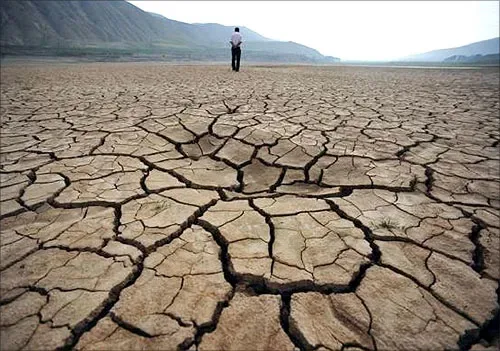
Nanded district restricts crop residue purchase and use.
14 out of 16 talukas in Nanded are drought-affected.
Authorities promote processing of crop residues for livestock fodder.
In response to severe drought conditions, the Nanded district administration in Maharashtra has enacted measures to limit the purchase and transportation of crop residues. This initiative, announced by Nanded Collector Rahul Kardile, aims to secure sufficient fodder for livestock during this critical period.
The drought has significantly impacted the region, with 14 of the 16 talukas in Nanded classified among the 265 drought-affected talukas across Maharashtra. This year, the district has experienced below-average rainfall, raising alarms about potential fodder shortages as the dry season progresses.
To mitigate the effects of this drought, the district administration has launched a fodder awareness campaign. This program encourages local farmers to process agricultural residues from crops such as soybean, wheat, sorghum, gram, tur, and sugarcane into nutritious fodder. By doing so, the authorities hope to enhance fodder availability for livestock and support the agricultural community.
The implications of these restrictions are significant for both farmers and livestock owners in Nanded. With the ongoing drought, ensuring adequate fodder supplies is crucial for maintaining livestock health and productivity. The administration's proactive measures are aimed at safeguarding the agricultural sector and preventing further economic strain on farmers.
Looking ahead, the district administration will continue to monitor the drought situation closely. Further initiatives may be introduced to support farmers and ensure that livestock remains adequately fed throughout the dry season. The community's response to these measures will be critical in determining their effectiveness in combating the drought's impact.