Mumbai Police Initiates First Case Under Freedom of Religion Act
The Maharashtra Freedom of Religion Act sees its first enforcement as a case is filed against Mohammad Faiz Khan.
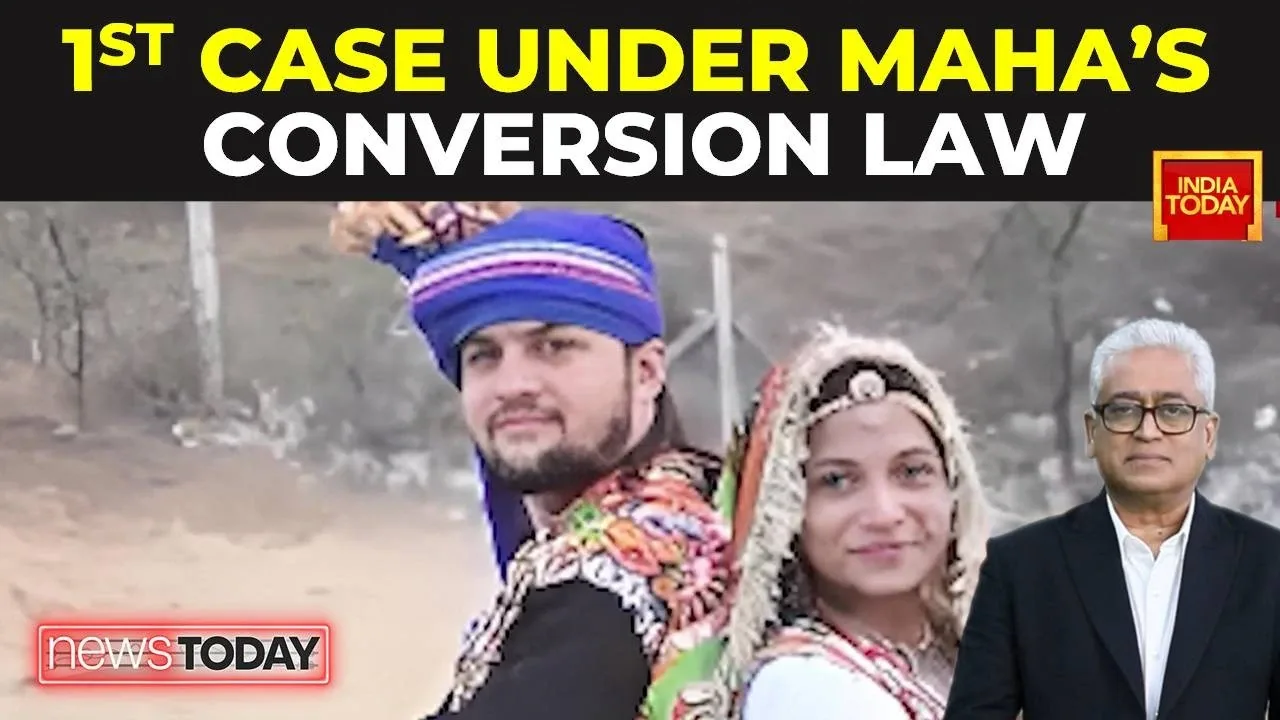
Mumbai Police files a case against Mohammad Faiz Khan under the Maharashtra Freedom of Religion Act 2026.
The complaint involves allegations of forced conversion related to an interfaith marriage.
Shravani Rane, the wife, denies any conversion and has also accused a BJP leader of privacy violations.
In a significant legal development, the Mumbai Police have registered their inaugural case under the Maharashtra Freedom of Religion Act 2026 against Mohammad Faiz Khan. This action follows a complaint lodged by Khan's mother-in-law, who alleges that her daughter, Shravani Rane, was subjected to forced conversion. Rane, however, has publicly supported her husband and refuted the claims of conversion, asserting that their marriage was conducted under the Special Marriage Act.
The complaint not only targets Khan but also implicates BJP leader Kirit Somaiya, who is accused of violating privacy rights and attempting to communalize the couple's interfaith marriage. This case highlights the complexities surrounding interfaith relationships in India, particularly in the context of legal frameworks that govern religious conversions.
The Maharashtra Freedom of Religion Act, enacted in 2026, aims to regulate conversions and prevent coercion in religious matters. This case marks a pivotal moment in its implementation, as it sets a precedent for how such allegations will be addressed by law enforcement. The act has been a topic of considerable debate, with supporters arguing it protects individuals from coercive conversions, while critics claim it infringes on personal freedoms.
The implications of this case extend beyond the individuals involved, as it raises broader questions about religious freedom and interfaith marriages in Maharashtra and India as a whole. The situation has garnered attention from various social and political groups, reflecting the ongoing tensions surrounding religious identity and rights in the country.
Looking ahead, the case will likely progress through the legal system, with upcoming hearings that could further illuminate the challenges faced by interfaith couples in India. As the legal proceedings unfold, the public and political reactions will be closely monitored, potentially influencing future discussions on the Freedom of Religion Act and its impact on personal liberties.