Maharashtra to Upgrade Nine Sewage Treatment Plants by July 2027
The Maharashtra government has committed to enhancing nine sewage treatment plants in Nashik to meet updated pollution standards by mid-2027.
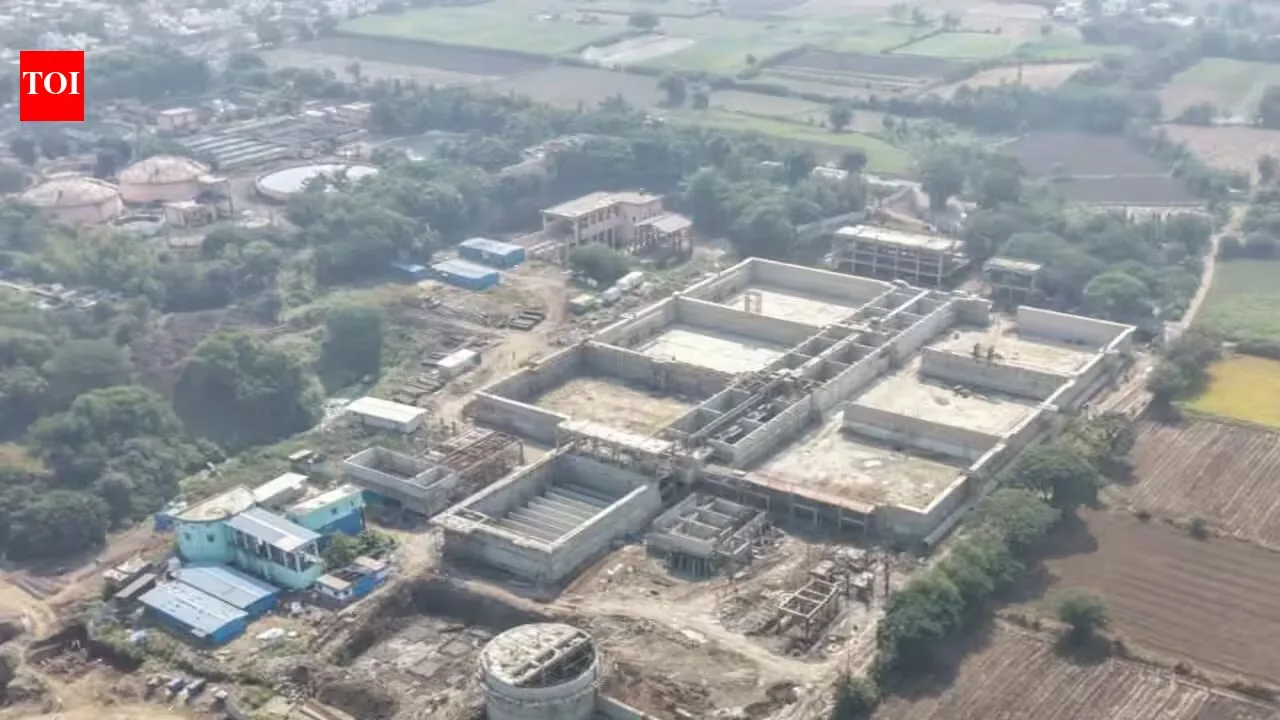
Nine sewage treatment plants in Nashik will be upgraded to handle 342.5 million litres per day.
A new sewage treatment facility is planned for the Satpur and Ambad industrial areas, operational within three years.
The state is actively addressing pollution issues in the Godavari River following a 2012 public interest litigation.
The Maharashtra government announced its plan to upgrade nine sewage treatment plants (STPs) in Nashik, which collectively have a capacity of 342.5 million litres per day (MLD). This initiative aims to comply with revised pollution control norms and is scheduled for completion by July 2027. The commitment was made during a recent court hearing at the Bombay High Court, where the state provided details about the ongoing efforts to enhance the facilities.
The upgrades are part of a broader response to a public interest litigation filed in 2012 concerning pollution in the Godavari River. The state has submitted an affidavit detailing the history and current status of the STPs, which were established before a significant court order in December 2018. Two newer STPs, commissioned after this order, are already compliant with the updated standards, demonstrating the state's ongoing efforts to address environmental concerns.
In addition to the upgrades, the Maharashtra government outlined plans for a new STP specifically for the Satpur and Ambad industrial zones, which are known for their industrial activities. This facility is expected to be operational within three years. Meanwhile, sewage from these areas will be redirected to the Agar Takli STP, which is undergoing expansion from 40 MLD to 97 MLD, with completion also targeted for July 2027.
The implications of these developments are significant for the local population and the environment. The Nashik Municipal Corporation (NMC) is concurrently enhancing the existing sewer network to prevent sewage overflow into the Godavari River. The government has acknowledged the seriousness of the pollution issues raised in court and is taking steps to implement corrective measures.
Looking ahead, the next court hearing is scheduled for December 11, where further updates on the progress of these initiatives will be presented. The state is committed to a collaborative approach, working alongside the Maharashtra Pollution Control Board (MPCB) and the NMC to ensure compliance with environmental standards and safeguard the health of the Godavari River and surrounding communities.