Maharashtra to Implement Digital Rupee for Tribal Welfare by 2027
Starting April 1, 2027, Maharashtra will transition tribal welfare payments to digital rupee wallets, enhancing fund management.
Tribal aid under the Nucleus Budget will shift to digital rupee wallets from bank transfers by April 2027.
Funds can only be used at registered vendors, with a structured payment release process.
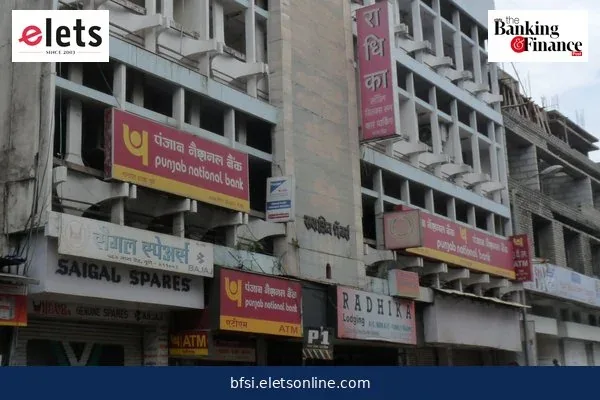
Beneficiaries will access funds via Punjab National Bank's Digital Rupee app or an OTP facility.
The Maharashtra government has announced a significant shift in its approach to tribal welfare assistance, set to commence on April 1, 2027. Under the Nucleus Budget scheme, the state will replace traditional bank transfers with payments made through digital rupee wallets. This initiative aims to streamline the distribution of funds while ensuring that they are used for their intended purposes. The guidelines, issued by the Tribal Development Department on November 19, 2026, specify that each sanctioned amount, capped at ₹50,000 per individual or ₹7.5 lakh per group, will be securely locked in a digital wallet managed by Punjab National Bank.
The Nucleus Budget scheme is designed to address the diverse needs of tribal communities, particularly those not covered by existing welfare programs. The revised guidelines will support various activities, including traditional occupations, agriculture, self-employment, and the processing of minor forest products. Beneficiaries from Scheduled Tribes will receive an 85% subsidy for livelihood activities, while particularly vulnerable groups will have their full costs covered by the state. This shift to digital payments is part of a broader push by the Reserve Bank of India to utilize programmable central bank digital currency (CBDC) for government benefit transfers.
Beneficiaries will need to register on the Nucleus Budget portal to access their funds. Once their application is approved, the sanctioned amount will be credited to their digital rupee wallet, which can be accessed through the Punjab National Bank’s Digital Rupee app or an OTP-based system for those without smartphones. Payments will be made to registered vendors only, with 80% of the funds released after the vendor verifies the transaction, and the remaining 20% disbursed after a 10-day objection period if no issues arise.
This new payment system is expected to have significant implications for both the tribal communities and the banking sector. By implementing a controlled and monitored digital currency system, the Maharashtra government aims to enhance transparency and accountability in welfare disbursements. However, concerns have been raised regarding access to the digital system, particularly in remote areas where internet connectivity may be unreliable. Activists have warned that this could lead beneficiaries to rely on intermediaries, undermining the program's objectives.
As the implementation date approaches, the Maharashtra government is preparing to address potential technical challenges. Current bank transfer methods will remain available until March 31, 2027, to ensure a smooth transition. The success of this initiative will be closely monitored, with random inspections planned to ensure compliance and effectiveness in reaching the intended beneficiaries. The move to digital currency represents a critical step in modernizing welfare programs and could serve as a model for similar initiatives across India.