Maharashtra to Distribute 1 Lakh Autorickshaws to Farmers by 2031
The state government launches a scheme to support farmers in drought-hit regions with subsidized autorickshaws.
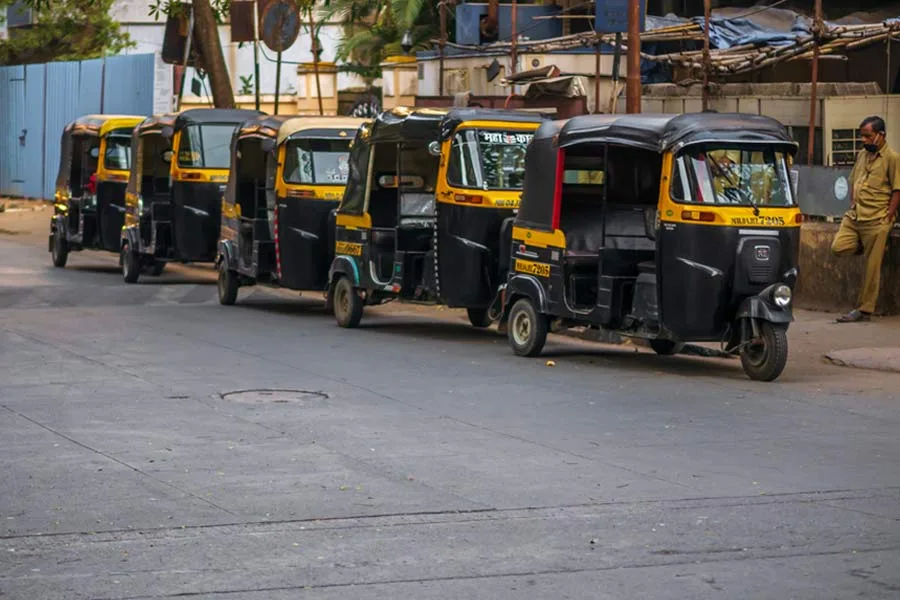
1 lakh autorickshaws to be distributed over five years.
Eligible farmers can earn an additional Rs 1,000 to Rs 2,000 daily.
Applications will be selected via a computerized lottery.
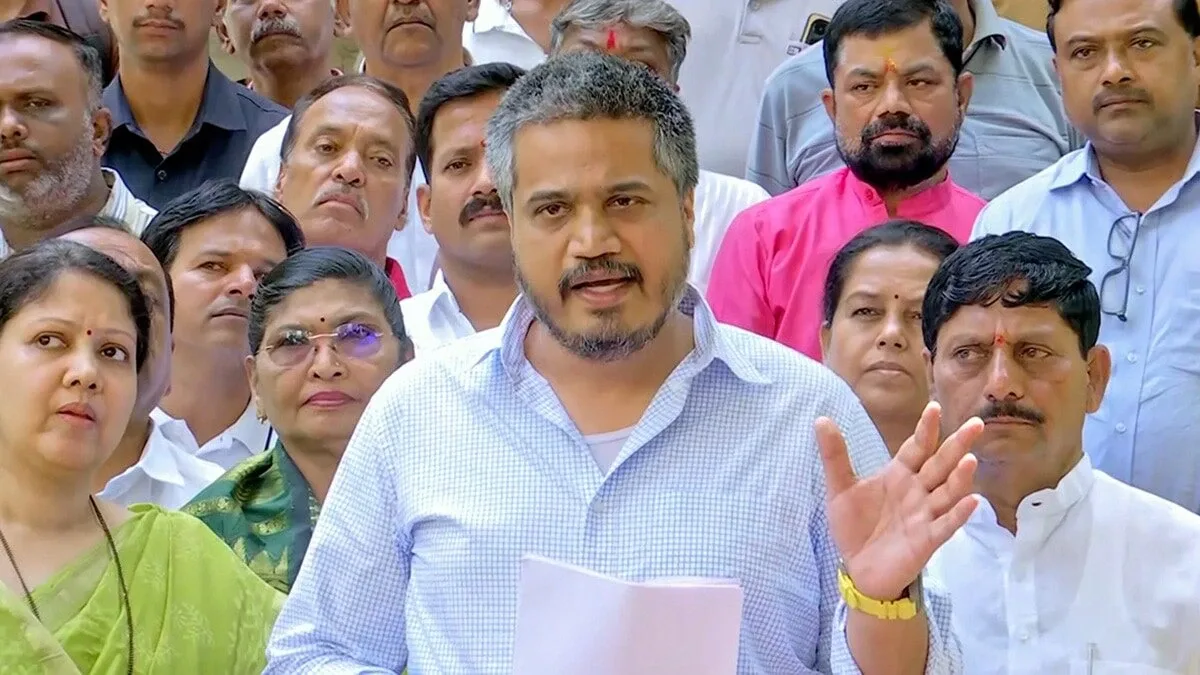
Maharashtra's government has unveiled a new initiative aimed at assisting small and marginal farmers in drought-affected areas by providing subsidized autorickshaws. The scheme, named Anathanchaa Nath Dushkalgrast Shetkari Rickshaw Sanman Yojana, will distribute a total of 1 lakh vehicles over a five-year period, starting from 2027. Transport Minister Pratap Sarnaik announced the program on Thursday at the transport commissioner’s office in Bandra, stating that 20,000 autorickshaws will be allocated each year until 2031.
The scheme is designed to help farmers generate additional income alongside their agricultural activities. Each autorickshaw will be subsidized by 10% of its cost, with the remaining 90% financed through loans from nationalized and scheduled banks, as well as other financial institutions. The Dharmaveer Anand Dighe Maharashtra Passenger Transport Workers Welfare Board will oversee the loan facilitation process. Sarnaik emphasized that the initiative aims to cover over 310 drought-affected talukas, with beneficiaries selected through a lottery system similar to the Maharashtra Housing and Area Development Authority (MHADA) draws.
To participate, farmers must pay a nominal fee of Rs 800 to become members of the welfare board. The board is also proposing a waiver of fees for licenses and permits, which could amount to around Rs 23,500 to Rs 24,000. If approved by the state government, licenses, badges, and permits will be provided free of charge under this scheme. The first batch of autorickshaws is expected to be handed over to beneficiaries on February 9, 2027, coinciding with Deputy Chief Minister Eknath Shinde’s birthday.
Eligible farmers, whose names have been submitted by district collectors, can apply at their respective Regional Transport Offices (RTOs). The autorickshaws will initially be CNG- and LPG-powered due to limited electricity access in remote areas, particularly in districts like Gadchiroli and Chandrapur. Sarnaik noted that electric vehicles are significantly more expensive, making them less feasible for small farmers at this time, although future considerations for electric vehicles may be possible.
The selection process for beneficiaries will involve a computerized lottery after a thorough review of applications. The first-year target is to provide 20,000 autorickshaws across the drought-hit talukas, with an average of 60 vehicles per taluka. If a taluka has fewer applicants than available vehicles, the excess will be allocated to other talukas within the same district. This initiative is expected to significantly enhance the livelihoods of farmers in Maharashtra's drought-affected regions.