Maharashtra Sugar Production Reaches 2.19 Million Tonnes
Maharashtra's sugar output for the 2026/27 season has surged, alleviating supply concerns as EU prices stabilize.
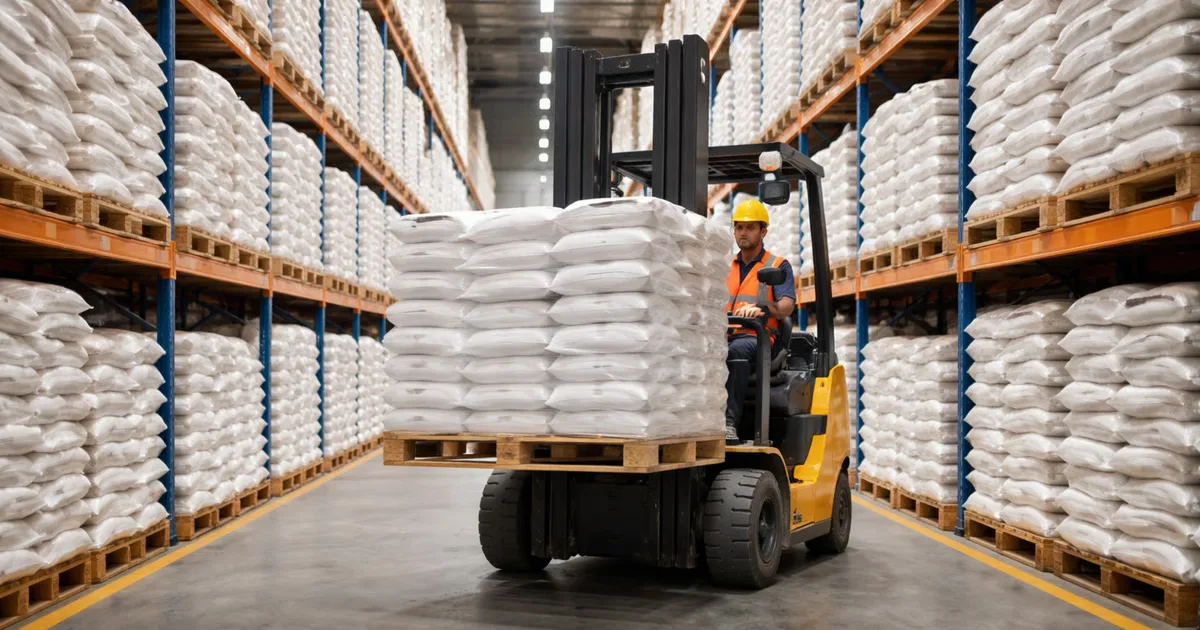
Maharashtra's sugar mills have produced 2.19 million tonnes from 25.03 million tonnes of cane.
EU sugar prices remain stable, with UK granulated sugar priced at EUR 0.56/kg.
Global sugar markets face a small deficit due to lower Brazilian output and weather-related risks.
Maharashtra has reported a significant increase in sugar production, with the 2026/27 season yielding 2.19 million tonnes from 25.03 million tonnes of cane crushed as of November 19, 2026. This surge in output is easing immediate supply concerns in the region, coinciding with stable prices in the European market.
The stability in the European sugar market is reflected in the prices for standard granulated sugar, which have remained largely unchanged. UK-origin granulated sugar is currently quoted at EUR 0.56 per kilogram, while Czech and Danish sugars are priced between EUR 0.57 and EUR 0.59 per kilogram. Despite global headlines indicating a sugar deficit, the nearby physical market appears balanced, suggesting that supply and demand dynamics are stabilizing.
Maharashtra's robust performance is attributed to the operational efficiency of its sugar mills, with 178 mills actively crushing sugarcane, including both cooperative and private units. Notably, Kolhapur has achieved a recovery rate of approximately 9.65%, indicating high-quality cane and effective processing. This early-season success is crucial as India navigates a tight sugar year, balancing production monitoring and domestic stock levels while managing import policies to stabilize prices.
On a global scale, the sugar market is facing a small deficit driven by lower-than-expected production in Brazil and adverse weather conditions affecting key Asian producers. As consumption rises and stock levels decline, the refined sugar market remains under pressure, although the raw sugar market is less affected. This situation underscores the importance of monitoring Indian production and potential policy changes that could impact export flows.
Looking ahead, stakeholders in the sugar market are advised to secure their requirements during this period of stable pricing. Producers are encouraged to maintain discipline in their offers, while traders should be prepared for potential volatility in regional markets. The next few weeks will be critical as weather conditions and policy decisions could significantly influence market dynamics.