Maharashtra's Rabi Sowing Hits 17% of Normal Amid Drought
The state faces severe drought conditions, with Rabi sowing at a historic low of 17% of the usual area.
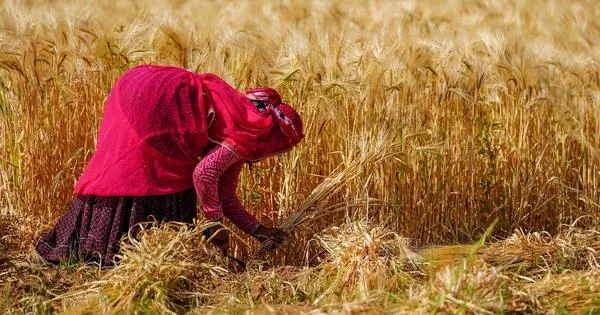
Maharashtra's Rabi sowing area stands at 10.02 lakh hectares, significantly below normal levels.
The state has declared drought in 74% of its subdistricts, the worst since 1972.
El Niño conditions are exacerbating the rainfall deficit, impacting agricultural output.
Maharashtra is grappling with a critical agricultural crisis as the Rabi sowing area has plummeted to just 10.02 lakh hectares, representing only 17% of the state's normal Rabi sowing area of 57.8 lakh hectares. This alarming statistic was reported as of November 16, 2026, and marks a significant decline compared to previous years, raising concerns about food security in the region.
The drought conditions in Maharashtra have been officially recognized, with the state government declaring 74% of its subdistricts as drought-affected on September 26. This situation mirrors the severe drought of 1972, which is noted for its devastating impact on agriculture. The current sowing figures are notably lower than the 47.2 lakh hectares recorded during that historic drought, highlighting the severity of the current agricultural challenges.
According to the Maharashtra Agriculture Department, the sowing report indicates that the Latur division has the highest Rabi sowing at 2.3 lakh hectares, which is only 16% of its average. Other divisions such as Pune and Amravati have also reported low sowing figures, with Pune at 1.8 lakh hectares and Amravati at 1.4 lakh hectares. The Konkan region has been particularly hard hit, with sowing barely exceeding 1,500 hectares.
Farmers are currently opting for crops that require less water, such as cereals and pulses, which have been sown across 5.2 lakh hectares and 4.6 lakh hectares, respectively. In contrast, oilseed sowing has been limited to just 11,000 hectares, reflecting the dire conditions. The rainfall deficit has been significant, with Maharashtra receiving only 804.4 mm during the June-September monsoon, compared to the normal 994.5 mm, resulting in a 19% shortfall.
Looking ahead, the India Meteorological Department has warned that strong El Niño conditions are present in the equatorial Pacific, which could further impact rainfall patterns and agricultural productivity in Maharashtra. As the state navigates these challenges, the focus will be on mitigating the effects of drought and ensuring food security for its population in the coming months.