Maharashtra's New Seven-Day Food Notification Rule for Weddings
Maharashtra introduces a seven-day advance notification requirement for food service at weddings, raising questions about compliance and industry readiness.
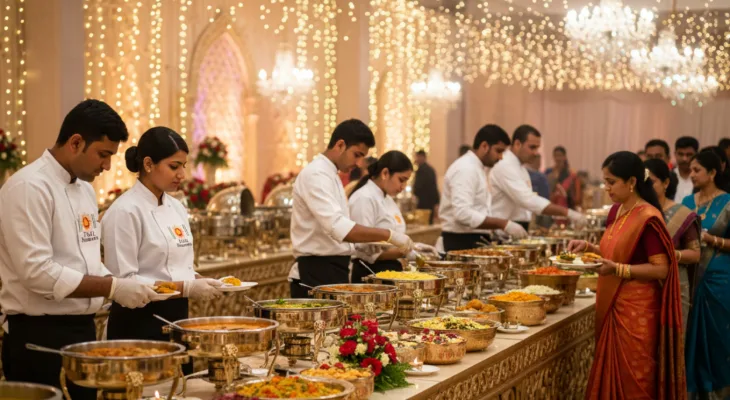
Maharashtra mandates a seven-day notice for food service at weddings effective September 2026.
Industry experts emphasize the need for collaboration among planners, caterers, and venues to ensure compliance.
Smaller vendors may struggle with the new regulations, highlighting the need for clear guidance from authorities.
Maharashtra has implemented a new regulation requiring wedding organizers to notify the Food and Drug Administration (FDA) at least seven days before serving food at large events, including weddings. This rule, part of the FDA's year-round enforcement framework introduced in September 2026, mandates that food be prepared by licensed caterers. FDA Commissioner Tukaram Mundhe clarified that this initiative aims to enhance food safety standards, which have been in place since 2011, but the industry is questioning its readiness for such a significant change.
The introduction of this regulation has sparked discussions among wedding planners and caterers about its implications. Anjali Tolani, Vice President at Tamarind Global, views the seven-day notice as a positive step towards improving food safety in the wedding sector. However, she cautions that successful implementation will require better collaboration among all stakeholders involved in wedding planning, including caterers, venues, and organizers. The complexity of wedding planning, with varying guest lists and multiple vendors, adds to the challenges of adhering to the new rule.
Industry professionals like Tarun Agarwal, Founder of Sumanglam Weddings & Events, highlight the practical challenges of compliance. The wedding industry has evolved into large-scale, multi-day events, making it difficult to finalize details a week in advance. Agarwal stresses the need for clarity regarding accountability among planners, hosts, and caterers, especially when last-minute changes are common. He believes that while the regulation could enhance accountability and professionalism, it should not complicate the already intricate logistics of wedding planning.
N Dakshinaamurthi, Founder & CEO of Wedding Vows, points out that the new rule may disproportionately affect smaller vendors and those in less urban areas. He argues that while larger planners in cities like Mumbai and Pune can adapt quickly, many smaller caterers may not even be aware of the new requirements. He calls for the FDA to clarify the notification process and simplify compliance through user-friendly digital solutions.
As the wedding industry prepares for these changes, the focus remains on ensuring food safety without adding unnecessary burdens. Stakeholders are advocating for a collaborative approach between the government and industry players to establish clear guidelines and support mechanisms. The successful implementation of this regulation could lead to a more professional wedding ecosystem in Maharashtra, provided that all parties are adequately informed and equipped to comply with the new standards.