Maharashtra's Drought Crisis: 304 Talukas Affected as Political Tensions Rise
Maharashtra faces a severe drought impacting 304 talukas, igniting political battles over relief distribution amid agricultural distress.
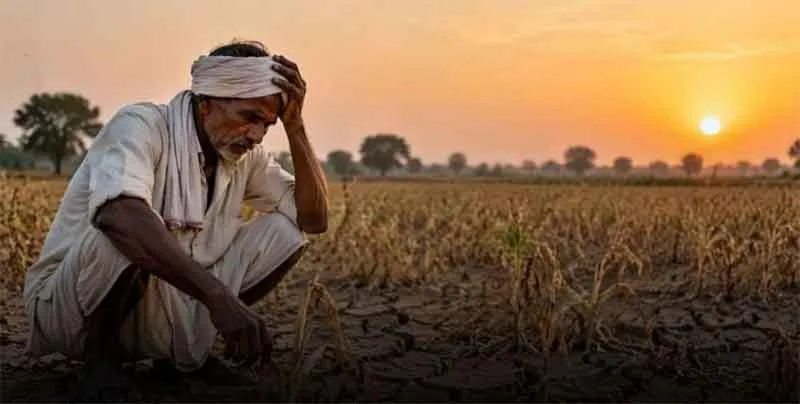
Maharashtra has declared 304 talukas as drought-affected due to significant rainfall deficits.
Political competition has emerged over which areas receive relief, complicating the response to the crisis.
Historical lessons from the 1972 drought highlight the need for effective and equitable relief measures.
Maharashtra is currently grappling with a significant drought crisis, with 304 talukas officially declared as drought-affected following a severe rainfall deficit. By late September 2026, the state recorded approximately 798.2 mm of rainfall, falling short of the normal 970.9 mm, marking an 18% deficit. The situation is particularly dire in regions like Marathwada and Vidarbha, where rainfall was reported to be 38% and 23% below normal, respectively. The ongoing drought not only threatens the livelihoods of farmers and agricultural laborers but has also sparked a political contest over which constituencies are included in the relief efforts.
To understand the current crisis, it is essential to reflect on the historical context of Maharashtra's droughts, particularly the severe drought of 1972-73. This earlier crisis exposed the vulnerabilities of rural households reliant on agricultural wages and seasonal employment. The state's response at that time, which included public employment programs and a robust public distribution system, prevented a potential famine and established a framework for future drought management. The Employment Guarantee Scheme, initiated in 1972, aimed to provide work when the private sector could not, ensuring that rural families could still access food during agricultural failures.
In response to the current drought, the Maharashtra government has activated various relief measures, including land-revenue concessions, crop-loan restructuring, and water supply initiatives. However, the selection of drought-affected areas has raised concerns, particularly with discrepancies noted in the initial list. Some regions traditionally known for heavy rainfall, like Mahabaleshwar, appeared on the list, while areas represented by ruling party leaders were initially excluded, leading to accusations of favoritism and inadequate assessment of local conditions.
The political implications of the drought are significant, as public funds and administrative decisions become crucial for affected communities. Legislators are under pressure to ensure their constituencies are included in relief notifications, leading to a scramble for inclusion rather than a unified approach to drought management. This dynamic can overshadow the urgent need for transparent and equitable relief distribution, as political influence may take precedence over genuine distress.
Looking ahead, it is critical for the Maharashtra government to refine its drought assessment methods, ensuring they accurately reflect local conditions. Timely delivery of relief, investment in sustainable water management practices, and agricultural policies that support resilience are essential for addressing the underlying issues contributing to rural vulnerability. The lessons from past crises must guide current responses to ensure that relief reaches those most in need, regardless of political affiliations.