Maharashtra's 2,500 MW RTC Tender Transforms Solar Surplus into Reliable Power
Maharashtra's innovative tender aims to convert excess solar energy into dependable round-the-clock electricity, enhancing power distribution.
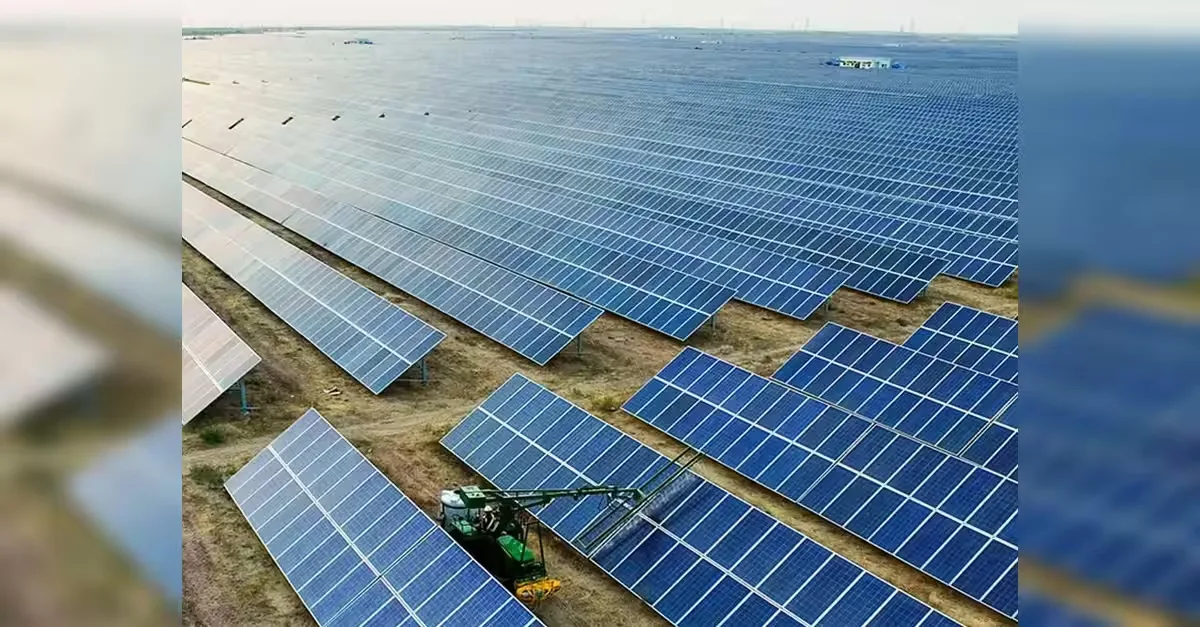
MSEDCL's tender seeks to procure 2,500 MW of RTC renewable power for 25 years.
Adani Power Limited won the contract with a competitive tariff of Rs 5.90 per unit.
The model aims to balance solar energy generation with demand, addressing renewable energy curtailment.
In a significant move towards enhancing renewable energy reliability, the Maharashtra State Electricity Distribution Co Ltd (MSEDCL) has initiated a tender to procure 2,500 MW of Round-the-Clock (RTC) renewable power. This tender, which will span 25 years, utilizes a tariff-based competitive bidding process and an e-reverse auction to secure dependable electricity from surplus daytime solar generation. This innovative approach is designed to meet the challenges faced by power distribution utilities as the demand for renewable energy continues to grow.
The tender effectively transforms 5,000 MW of non-firm solar capacity into a reliable 2,500 MW of firm power by integrating renewable energy with various generation sources and storage solutions. The Maharashtra Electricity Regulatory Commission (MERC) has characterized this arrangement as unique, enabling MSEDCL to optimize the utilization of solar power while ensuring a consistent supply. Unlike traditional power procurement contracts, this model allows suppliers to source electricity from multiple generators, provided they meet strict supply obligations, including a minimum renewable energy component.
The financial implications of this tender are noteworthy. MSEDCL's discovered tariff of Rs 5.90 per unit is competitive compared to recent long-term thermal power procurement tariffs, which range from Rs 6.31 to Rs 8.90 per unit. This fixed tariff for the 25-year agreement places the risk of input power cost fluctuations on the suppliers. Four bidders participated in the auction, with Adani Power Limited securing the contract by quoting Rs 6.30 per kWh, followed closely by other bidders.
This procurement model is expected to have broader implications for India's electricity market. By addressing the mismatch between solar generation, which peaks during the day, and electricity demand that persists into the evening, this initiative could significantly reduce the curtailment of renewable energy. Additionally, it aims to improve the efficiency of the transmission network and minimize the need for backing down thermal power plants. The success of this model in Maharashtra may inspire other states, such as West Bengal, which has recently undertaken a similar RTC procurement.
Looking ahead, the adoption of this tender model could pave the way for a transformative shift in how renewable energy is procured in India. As the country continues to expand its solar capacity, securing reliable, round-the-clock power with a substantial renewable component will be crucial for balancing clean energy goals with the need for consistent and affordable electricity supply.